
Story by Eugene Nyarko Jnr. l Accra l Wednesday, November 18, 2026 —
The Ghana AIDS Commission has intensified efforts to strengthen HIV and AIDS awareness among senior high school students following persistent increases in new infections among young people aged 15 to 24.
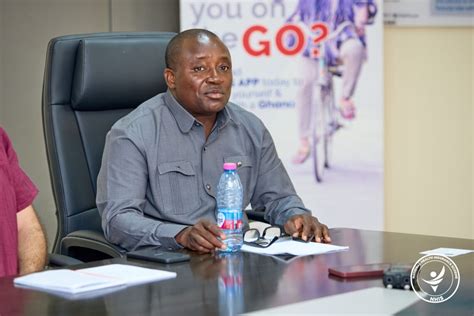
The Director-General of the Ghana AIDS Commission, Dr. Prosper Kharmacelle Akanbong, said the Commission, in collaboration with the Ghana Education Service (GES) and other development partners, was prioritising school-based HIV prevention education to address the worrying trend.
Speaking in an interview with the media on the sidelines of a quiz competition organised at Achimota Senior High School in Accra on Wednesday, November 18, 2026, as part of activities marking this year’s World AIDS Day, Dr. Akanbong explained that the initiative was designed to improve students’ understanding of HIV prevention, treatment, stigma and community responsibility.
He noted that although Ghana had made progress in reducing national new HIV infections, the 15–24 age group continued to account for between 27.5 and 30 per cent of new infections over the years.
According to him, the situation was particularly concerning because of its implications for the country’s future workforce and the financial resources required to provide long-term treatment and care for young people living with HIV.
Dr. Akanbong said the school quiz competition was therefore intended to revive HIV and AIDS education among students and strengthen their knowledge of prevention and responsible health practices.
He observed that schools provided an important environment for sustained awareness creation because students spent considerable periods together, making them strategic centres for peer education and behavioural change.
He expressed satisfaction with the students’ level of knowledge demonstrated during the competition, but stressed the need to extend similar educational activities to more schools across the country.
National expansion planned
On plans to extend the initiative beyond the selected schools, Dr. Akanbong disclosed that the Commission intended to transform the competition into a national programme from 2027.
He explained that, working with the Ghana Education Service and other partners, the country would be divided into three geographical zones: the Northern Zone, Middle Belt and Southern Zone.
Winners from the respective zones would subsequently converge for a national competition, providing a broader platform to promote HIV and AIDS awareness among students.
He said the current competition was being used as a starting point because of the limited time remaining before the December 1 World AIDS Day celebration.
Funding shift affected prevention advocacy
Responding to concerns about the apparent decline in sustained HIV prevention campaigns, particularly among young people, Dr. Akanbong attributed the situation partly to changes in donor funding priorities over the years.
He explained that Ghana’s national HIV response had largely depended on donor support, with funding often directed towards specific programme areas.
According to him, during the initial stages of the national response, when effective HIV medications were not readily available, significant attention and resources were devoted to prevention education and public awareness campaigns.
However, following improvements in HIV treatment and the availability of effective medication, funding priorities gradually shifted towards treatment, resulting in reduced emphasis on advocacy and prevention activities.
He said the Commission now recognised the need for a balanced approach that integrated effective treatment, prevention advocacy and human rights protection.
Dr. Akanbong further stressed the importance of national ownership of the HIV response, arguing that Ghana must take greater responsibility for financing interventions that address its specific public health priorities rather than relying exclusively on donor-driven programmes.
He indicated that the renewed focus on prevention and advocacy was part of efforts to strengthen the country’s response to HIV and AIDS.
Parents and communities to be engaged
Addressing concerns about the role of parents in preventing new infections among adolescents and young adults, the Director-General said the Commission was also expanding its community-level engagement activities.
He explained that the strategy included community outreach programmes, public festivities, radio discussions, media engagements and other platforms that would allow parents and community members to access relevant HIV prevention information.
He cited recent outreach activities at Crowell, where information on HIV prevention and breast cancer awareness was shared with community members, as an example of the Commission’s broader public education approach.
He emphasised that schools were communities in their own right and that educating students could have a positive influence on the households and communities to which they returned.
Dr. Akanbong maintained that combining school-based interventions with community and parental engagement would help reinforce prevention messages and encourage responsible health practices among young people.
Media support crucial to HIV prevention
The Director-General appealed to media organisations and journalists to intensify public education on HIV and AIDS, describing the media as indispensable partners in reaching wider sections of the population.
He noted that media coverage of the Commission’s activities helped extend public awareness beyond the immediate participants at organised events.
He called on media practitioners and development partners to continue supporting the initiative to ensure that HIV education became more prominent in schools and communities.
Dr. Akanbong also expressed the Commission’s commitment to working closely with the Ghana Education Service to revitalise the School Health Education Programme and strengthen HIV prevention education across the educational system.
He said the ultimate objective was to accelerate efforts towards controlling the HIV epidemic through sustained prevention, public awareness, effective treatment and collective national responsibility.