
Story by Eugene Nyarko Jnr. l Labadi Beach Hotel, Accra l Friday, October 23, 2026 —
The Executive Director of ACT Ghana, Esenam Adzo Norbey Apawu, has called on young African innovators to develop green economy solutions that protect vulnerable communities, strengthen disaster preparedness and create sustainable livelihood opportunities.
She said youth-led innovations must go beyond commercial products to address the practical challenges of climate change, flooding, environmental degradation and disruptions to essential services.
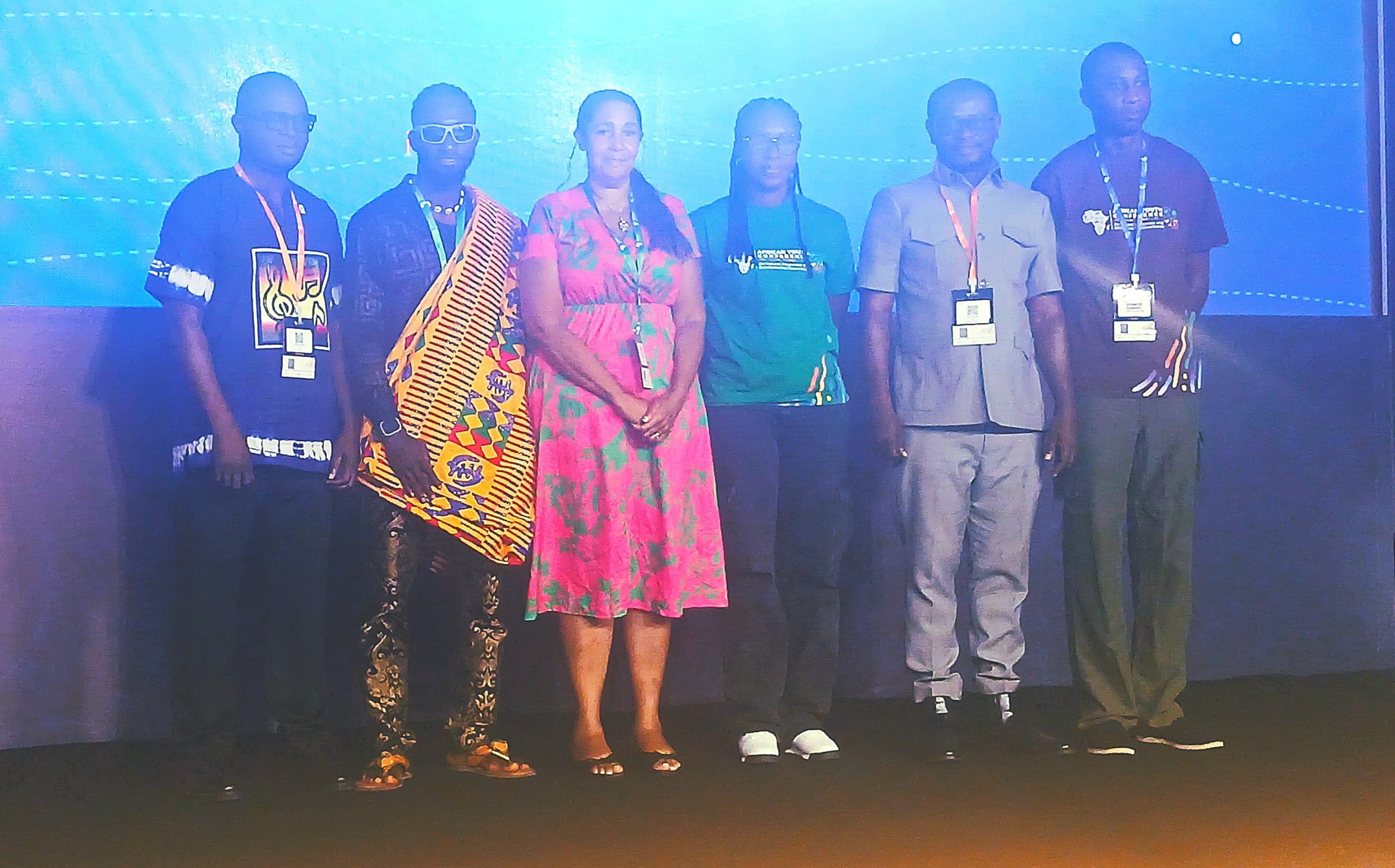
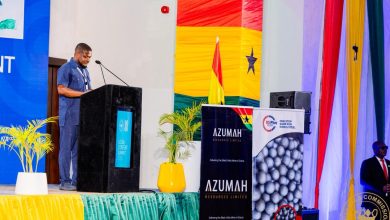
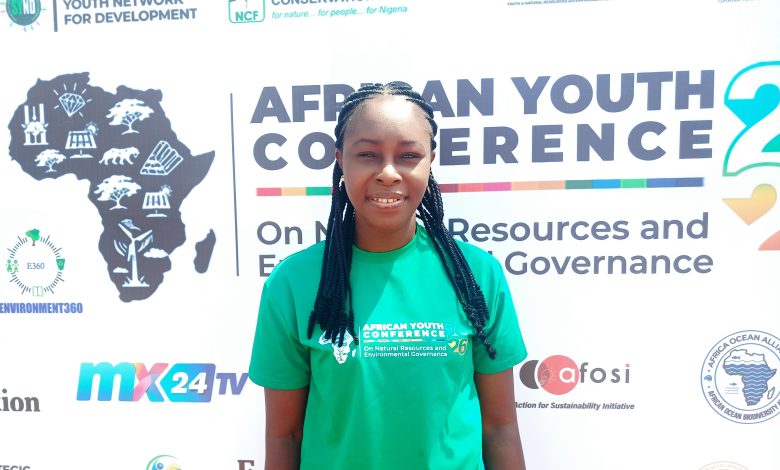
Ms Apawu made the call in a solidarity message delivered on behalf of ACT Ghana (AdzoCuraTerra) at the African Youth Conference on Natural Resources and Environmental Governance (AYC-NREG 2026) at the Labadi Beach Hotel in Accra.
The conference, held from October 22 to 23, 2026, was organised by the Strategic Youth Network for Development (SYND) in partnership with the Ministry of Youth Development and Empowerment under the theme, “Scaling Youth-led Innovations for Africa’s Green Economy”.
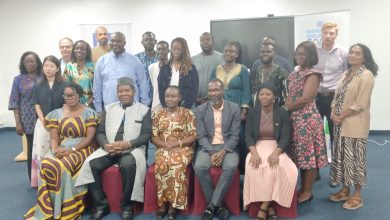
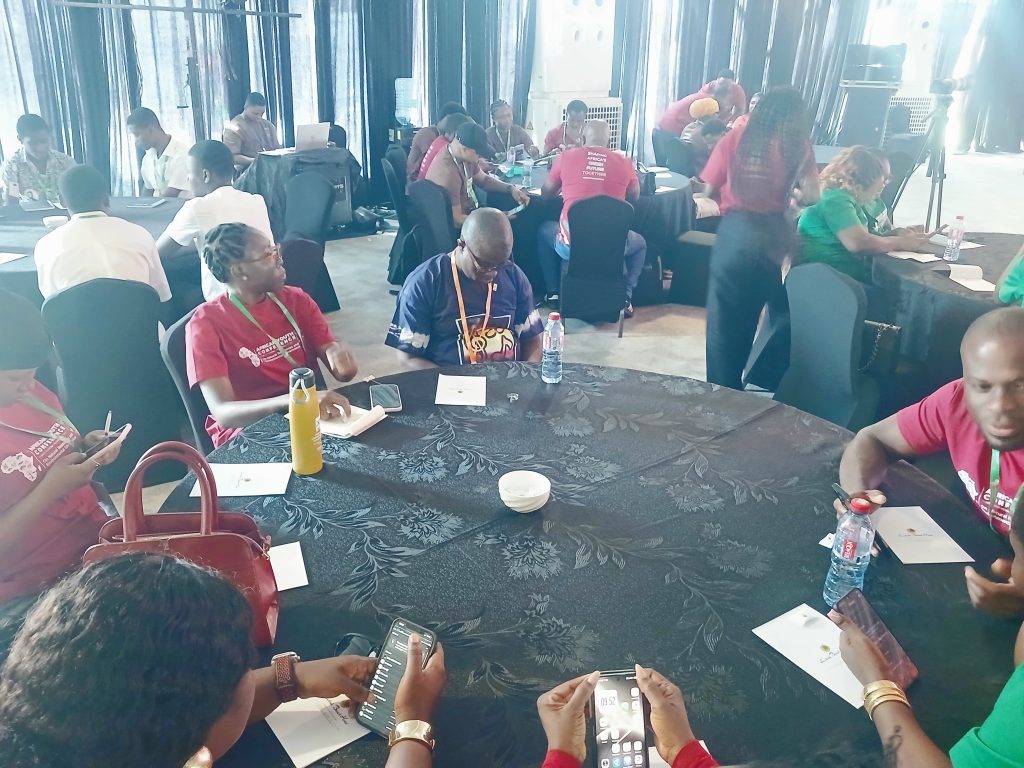
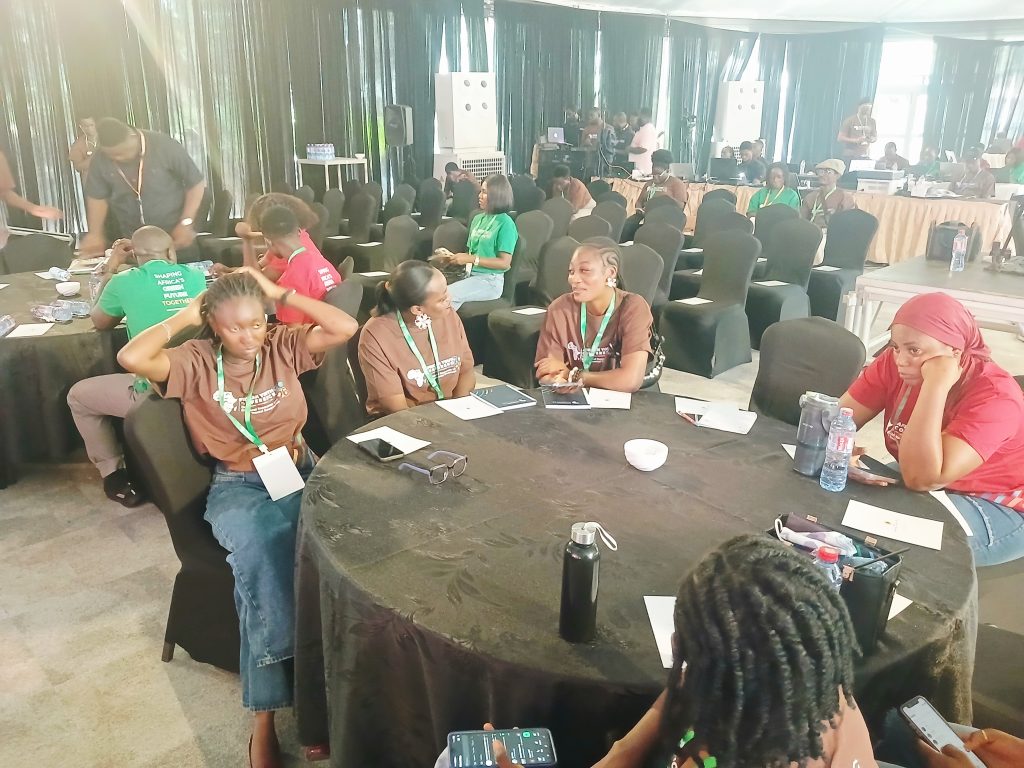
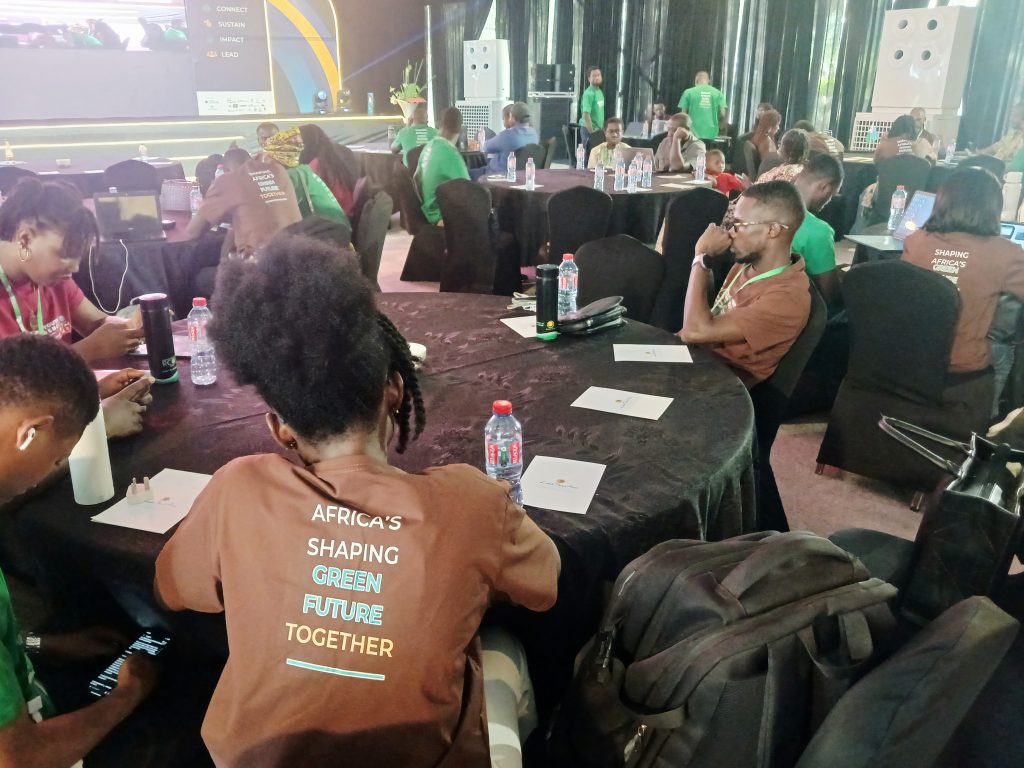
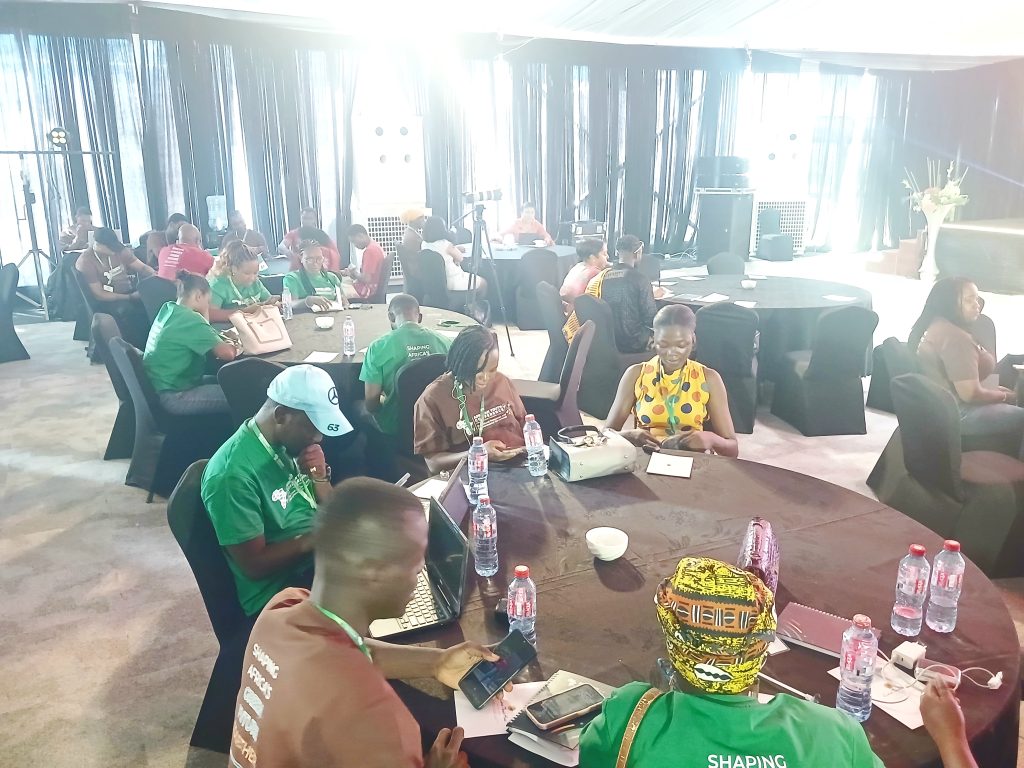
It brought together 250 youth delegates from across Africa, alongside government officials, investors, private sector actors, civil society organisations, development partners and the media.
Ms Apawu said young people, women and local communities should not be seen merely as victims of the climate crisis but also recognised for their ideas, knowledge and capacity to develop solutions.
She said the conference theme aligned with ACT Ghana’s four pillars of environmental action; climate justice and social inclusion; disaster risk reduction and resilience; and youth leadership and civic engagement.
According to her, Africa’s green economy agenda must incorporate disaster risk reduction, humanitarian action and environmental peacebuilding to protect lives, sustain livelihoods and ensure that vulnerable communities are not left behind.
“A green economy cannot thrive where floods and conflict repeatedly destroy livelihoods, where children’s education is disrupted by disasters, or where women bear the greatest burden of environmental and economic shocks,” she said.
She stressed the need to integrate early warning systems, community preparedness, clean energy and sustainable livelihoods into Africa’s green transition.
Ms Apawu said ACT Ghana had contributed to community-level disaster risk reduction, supported women’s resilience and advanced educational initiatives for children in flood-prone areas of the Greater Accra and Volta regions.
She added that the organisation’s engagement with basic and senior high schools was aimed at strengthening young people’s awareness of, and capacity to respond to, climate and environmental challenges.
These experiences, she said, reinforced the importance of linking climate innovation to the everyday needs of communities.
Partnerships for sustainable solutions
Ms Apawu called for stronger collaboration among youth-led organisations, governments, development partners, academic institutions and the private sector to provide innovators with the resources, technical assistance and platforms needed to transform promising ideas into lasting impact.
She urged young entrepreneurs to consider the people whose lives their innovations could change, including communities vulnerable to floods, schools exposed to disasters and hospitals that need reliable energy to maintain essential services.
She also encouraged innovators to develop solutions capable of creating decent green jobs, particularly in communities where unemployment and competition over natural resources contribute to tensions.
She advised young people to embrace fresh ideas, ask difficult questions and collaborate across disciplines, noting that effective solutions often emerged from the combination of different experiences and perspectives.
Solar energy as a resilience tool
Citing examples of practical innovation, Ms Apawu said solar energy had helped rural health facilities in Malawi maintain essential services during extreme weather emergencies.
She also highlighted the work of Nigerian innovator Stanley Anigbogu, who transformed discarded plastic bottles into a solar-powered hub serving families in an internally displaced persons’ camp.
She further cited conflict-affected settings such as Yemen and Sudan, where solar power had helped health facilities continue providing essential care when conventional fuel supplies were disrupted.
According to her, the examples demonstrated how innovation could simultaneously protect the environment, support vulnerable populations and strengthen the resilience of essential services, even in challenging circumstances.
Ms Apawu reaffirmed ACT Ghana’s commitment to partnerships that strengthen community resilience, expand opportunities for women and children, and empower young people to lead practical solutions at the intersection of climate action, disaster preparedness and sustainable development.
She congratulated SYND and the Youth-NREG Platform for creating a platform for young people to share ideas, develop partnerships and advance solutions for Africa’s green economy.
She urged participants to ensure that the continent’s green transition produced an economy that was not only innovative and prosperous but also resilient, inclusive and peaceful.
She said Africa’s green economy ambitions should extend beyond economic growth to encompass resilience, human dignity and the protection of lives.