
Story by Eugene Nyarko Jnr. l Labadi Beach Hotel, Accra l Friday, October 23, 2026 —
The Founder and Executive Coordinator of the Strategic Youth Network for Development (SYND), Chibeze Ezekiel, has called for sustained investment in youth-led green enterprises, improved access to markets and stronger government support to accelerate Africa’s transition to a sustainable green economy.
He said although young Africans were already developing innovative solutions to environmental challenges, inadequate financing and weak institutional support continued to prevent promising initiatives from expanding into viable businesses.
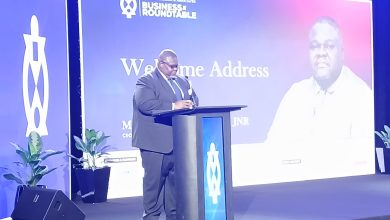
Speaking at the opening of the African Youth Conference on Natural Resources and Environmental Governance (AYC-NREG 2026) at the Labadi Beach Hotel in Accra, Mr Ezekiel urged governments, development partners and the private sector to move beyond celebrating youth innovation to providing the resources and opportunities needed to scale successful initiatives.

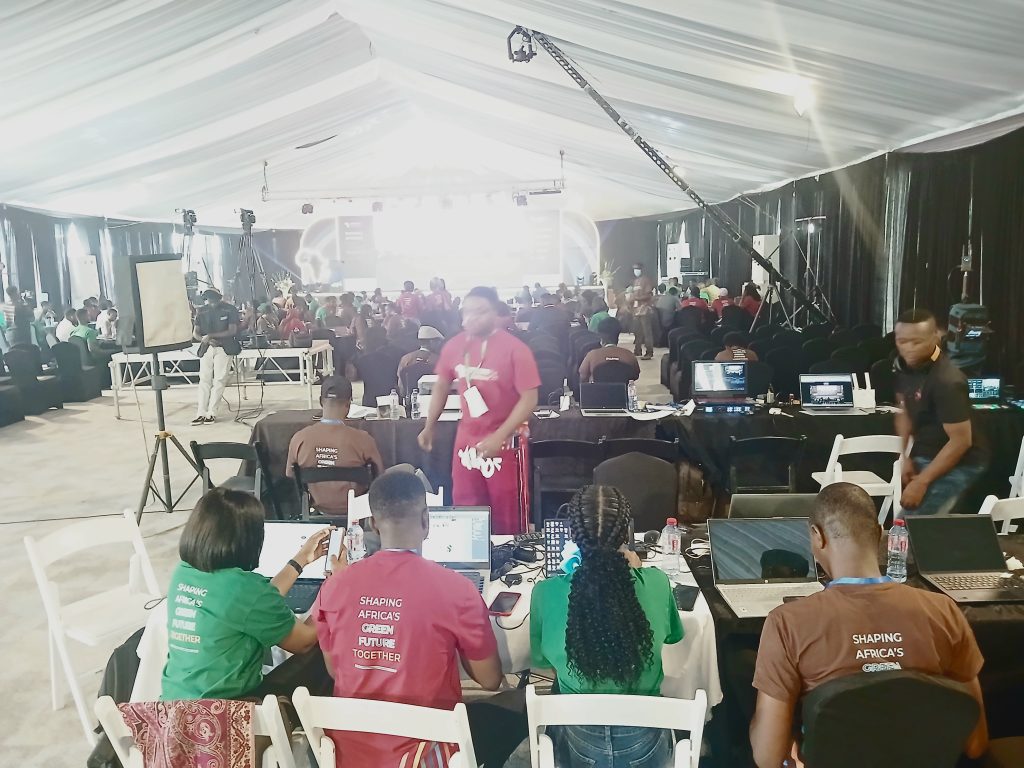
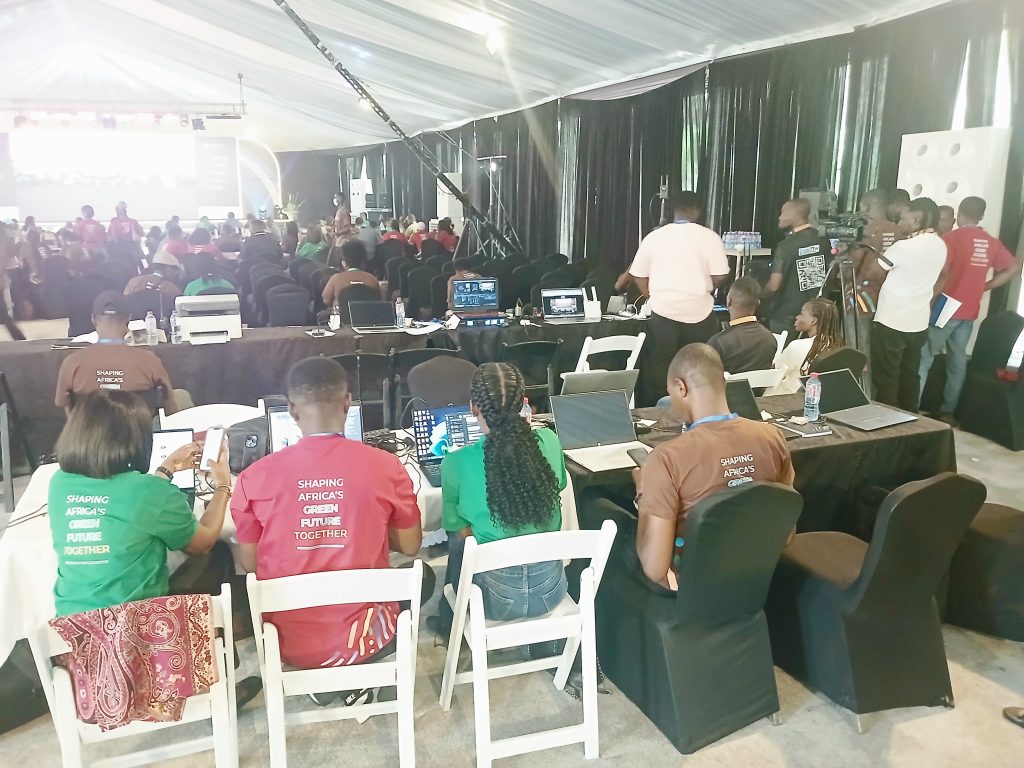
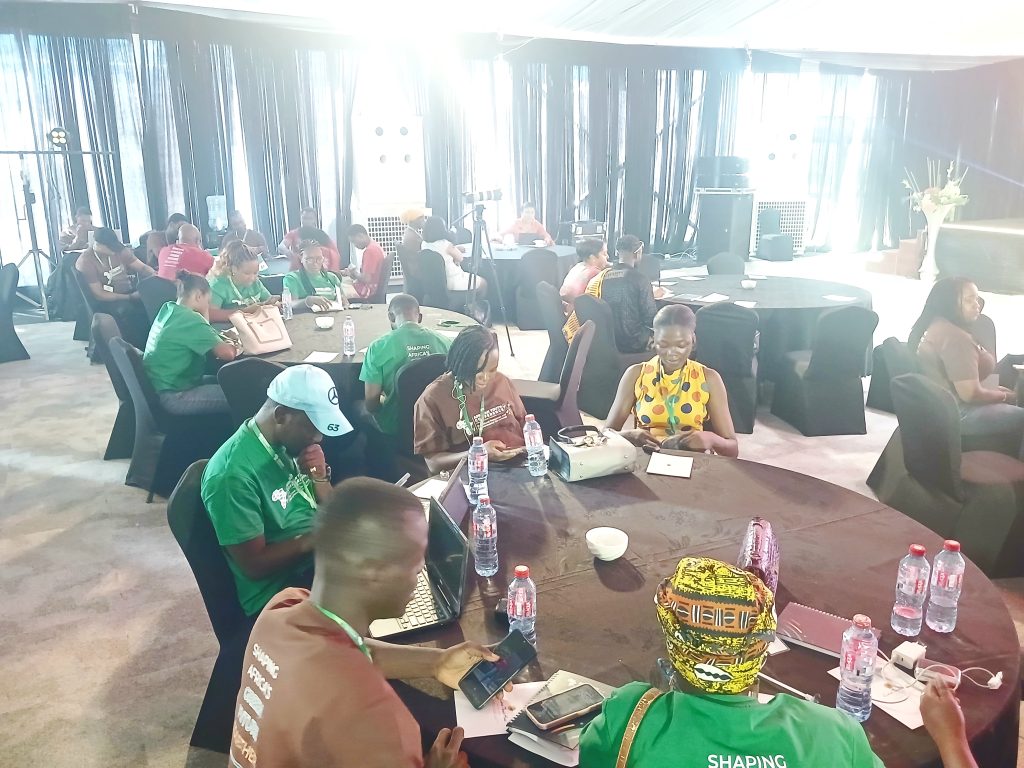
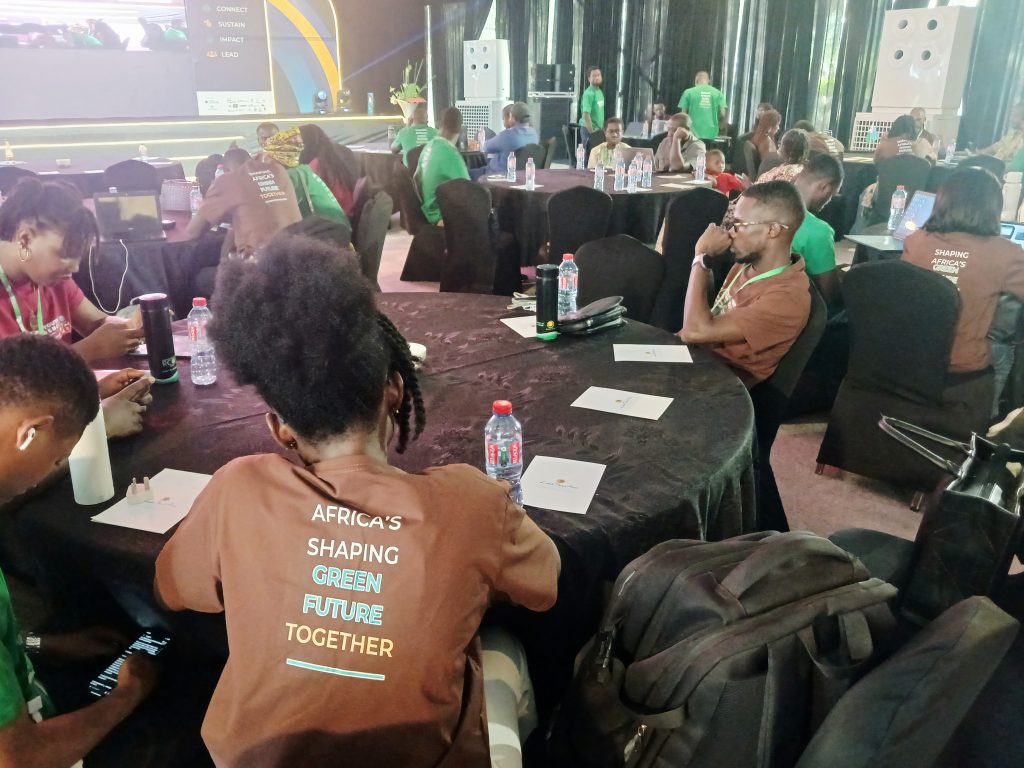
The two-day conference, held from October 22 to 23, was organised by SYND in partnership with the Ministry of Youth Development and Empowerment under the theme, “Scaling Youth-led Innovations for Africa’s Green Economy”.
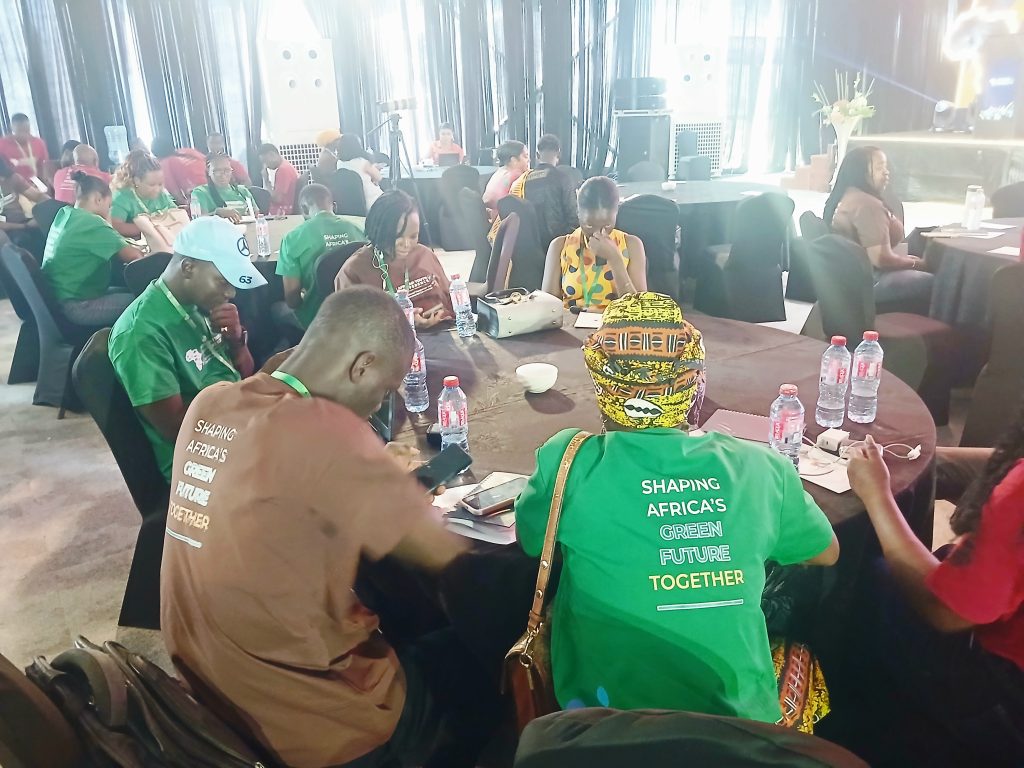
It brought together 250 youth delegates from across Africa, alongside government officials, investors, private sector representatives, civil society organisations, development partners and the media.
Mr Ezekiel said Africa’s natural resource wealth and youthful population presented enormous opportunities for economic transformation, but the continent continued to face the paradox of abundant resources alongside persistent unemployment and inadequate access to electricity.
He cited Africa’s significant reserves of cobalt and manganese, which are essential to the energy transition, and its vast arable land, arguing that the continent needed to translate these natural advantages into sustainable livelihoods and economic opportunities.
He said more than 72 million young Africans were not in employment, education or training, underscoring the need to create opportunities that connected environmental protection with entrepreneurship and job creation.
“Talent is not our problem. Finance and follow-through are,” he said, reflecting on lessons from previous editions of the conference.
Young entrepreneurs demonstrate what is possible
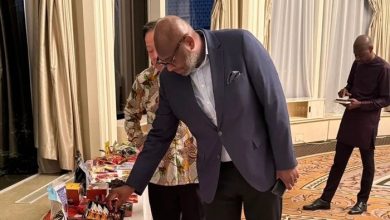
To demonstrate the impact of youth-led innovation, Mr Ezekiel highlighted the work of Elisha Kofi Foli, a Ghanaian entrepreneur who established MyCoco Stuff Ghana in 2022 using a single machine to process coconut shells.
The business converts coconut waste into biodegradable cups, bowls and spoons while supplying coconut fibre for construction.
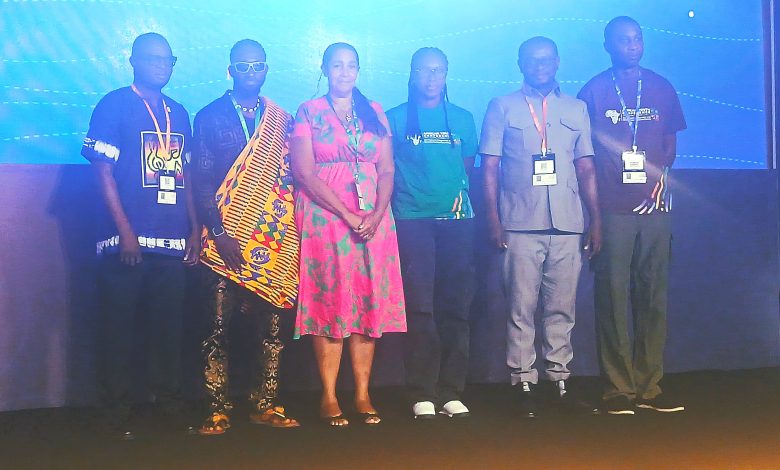
Mr Ezekiel said Mr Foli, who lives with a disability, had progressed from exhibiting his products at the previous conference to participating as a speaker at the 2026 edition.
He described the entrepreneur’s journey as an example of what could happen when young innovators received opportunities to showcase their work and connect with potential supporters.
He also cited Roselyn Aboagyewah Ntim, a graduate of Petroleum Refining and Petrochemical Engineering at the University of Mines and Technology and president of the Youth-NREG Student Platform.
Ms Ntim developed Asaasepa, an organic product designed to serve as both fertiliser and pesticide for smallholder farmers.
Her start-up, Rapidry Agritech Ltd, secured $10,000 through the World Food Programme’s Post-Harvest Innovation Challenge to support the development of a hybrid solar and electric crop dryer aimed at reducing post-harvest losses.
Mr Ezekiel said the experience demonstrated the importance of persistence and access to funding in helping young entrepreneurs turn ideas into practical solutions.
He further referenced Kenyan entrepreneur Nzambi Matee, whose company, Gjenge Makers, converts plastic waste into paving bricks, and Benin-based Wilfrid Adjimoti of YPARD, who is involved in efforts to restore sacred forests and protect fungal biodiversity across 20 villages.
These initiatives, he said, demonstrated that environmental protection could create jobs, strengthen local economies and improve natural resource management.
Youth-NREG expands environmental education
Mr Ezekiel said SYND’s Youth-NREG Platform had also intensified environmental education and community-based conservation.
He disclosed that volunteers from the platform’s sub-groups reached nearly 2,000 students in seven schools through practical environmental education activities in June 2026.
He also recalled the planting of 2,000 red mangrove seedlings at Wasakuse in Ada in 2024, undertaken by young people in collaboration with the Wildlife Division.
He said such initiatives showed that young people could contribute meaningfully to environmental protection without waiting for major institutional interventions.
However, he stressed that successful pilot projects needed sustained support to achieve broader impact.
Calls for youth green fund and government action
As part of efforts to address the funding and institutional challenges confronting young innovators, Mr Ezekiel outlined four priority areas for action over the next 12 months.
He urged the government to establish youth desks within relevant ministries, beginning with at least one ministry, and create a national green youth fund to support environmentally sustainable businesses.
He also called for youth inclusion to become a requirement in the approval of climate and development projects rather than an afterthought.
To development partners and funders, he appealed for a shift from short-term project grants towards sustained investment in youth-led organisations and enterprises.
He urged private companies to incorporate youth-led green businesses into their supply chains and procurement systems, arguing that commercial orders could provide more practical support than awards and certificates alone.
Young innovators, meanwhile, were encouraged to document their results, build partnerships, form cooperatives and explore opportunities to access markets across national borders.
Mr Ezekiel acknowledged the support of the Nigerian Conservation Foundation (NCF), Building Opportunities on Sustainable Talent (BOOST) and Action for Sustainability Initiative (AFOSI) in advancing the conference’s agenda.
He also welcomed the announcement of a Youth Council within Plateau State’s Ministry of Environment, Climate Change and Mineral Development in Nigeria, describing youth participation in environmental governance as an important step towards institutionalising young people’s involvement in policymaking.
Conservation must drive Africa’s green economy
In a keynote address, the Director of Communications, Policy and Advocacy at the Nigerian Conservation Foundation, Mr Kunle Olawoyin, said Africa’s natural resources should be treated as the foundation of lasting prosperity rather than merely as assets for exploitation.

He explained that forests regulated water systems, stored carbon and supported livelihoods, while wetlands helped reduce flooding and sustain fishing communities.
He added that soils and biodiversity underpinned food production, medicine, tourism and numerous other economic activities.
However, he warned that deforestation, land degradation, pollution, unsustainable resource use and climate change were placing these natural systems under increasing pressure.
According to him, the consequences extended beyond environmental damage to food security, employment, public health, energy access and community resilience.
“Conservation must sit at the centre of Africa’s green economy,” he said, arguing that sustainable economic development could not be achieved through the depletion of the natural resources on which it depended.
Mr Olawoyin said conservation efforts would also struggle if communities were expected to protect natural resources without viable alternative livelihoods.
He therefore called for environmental restoration to be linked to economic opportunities, community ownership and innovations capable of delivering lasting results.
NCF highlights restoration and livelihood initiatives
Drawing on the Nigerian Conservation Foundation’s experience, Mr Olawoyin outlined initiatives demonstrating how environmental protection could generate employment and strengthen community livelihoods.
He cited Green Recovery Nigeria, a restoration initiative that, according to figures presented in his address, recorded 265,561 tree-planting-related activities across 19 states in 2025 and benefited more than 19,000 people.
He said tree restoration involved more than planting seedlings, requiring seed collection, nursery management, planting, maintenance and long-term community stewardship.
Each stage, he explained, offered opportunities for young people to establish businesses, supply seedlings, provide restoration services and monitor the survival of planted trees.
He also highlighted the foundation’s work in forest governance and community livelihoods in the Niger Delta region, where local participation was being encouraged through community management structures, engagement with traditional authorities and land-use planning.
He said the initiatives included the engagement of 50 young people in local patrol and monitoring activities, training for 2,400 farmers on reducing pressure on forests, and support for 400 women in alternative livelihood activities.
The foundation had also invested more than $18 million in microcredit for livelihoods, according to the figures he presented.
Mr Olawoyin further cited climate adaptation initiatives in northeastern Nigeria, where farmers were being supported through climate-smart agriculture, agroforestry and other resilient practices.
He said the programmes included the distribution of more than 2,773 kilogrammes of climate-resilient seeds, training for 200 farmers in agroforestry and nursery establishment, the establishment of 10 community nurseries for indigenous tree species, and support for 125 women in animal-feed production and agribusiness skills.
Another 50 young people, he said, had received training in GPS-based farm monitoring and nursery management.
He argued that such initiatives demonstrated how conservation could be linked to entrepreneurship, agricultural productivity and employment when communities were actively involved.
Local communities and market access critical
Mr Olawoyin identified community participation, institutional support and market access as essential conditions for scaling youth-led environmental enterprises.
He said local communities possessed knowledge about ecosystems, resource use and social conditions that needed to inform the design and implementation of conservation projects.
He urged conservation organisations and researchers to help test innovations, maintain environmental standards and measure results, while governments provided clear policies and fair enforcement.
Financial institutions and investors, he added, needed to close the gap between promising ideas and the growth capital required to expand them.
He also called for stronger links between young entrepreneurs and markets, stressing that training alone would not be sufficient if beneficiaries lacked steady demand for their products and services.
Mr Olawoyin urged Ghanaian and Nigerian stakeholders to strengthen cross-border cooperation through knowledge exchange, joint innovation challenges, mentorship, investor connections and regional market opportunities.
He encouraged young people to identify natural resources under pressure in their communities, understand the livelihood challenges contributing to environmental degradation and develop solutions that addressed both concerns.
“Africa does not have to choose between protecting its natural heritage and creating prosperity,” he said, calling for an economic pathway that recognised the relationship between environmental sustainability and human development.
MPEC pledges solidarity with SYND
In a solidarity message delivered on behalf of the Executive Director of the Media Platform on Environment and Climate Change (MPEC), Mrs Mary Ama Kudom-Agyemang, a member of the organisation’s communications team, Ms Kate Larko Teye, reaffirmed MPEC’s support for SYND’s efforts to strengthen youth participation in climate and environmental governance.
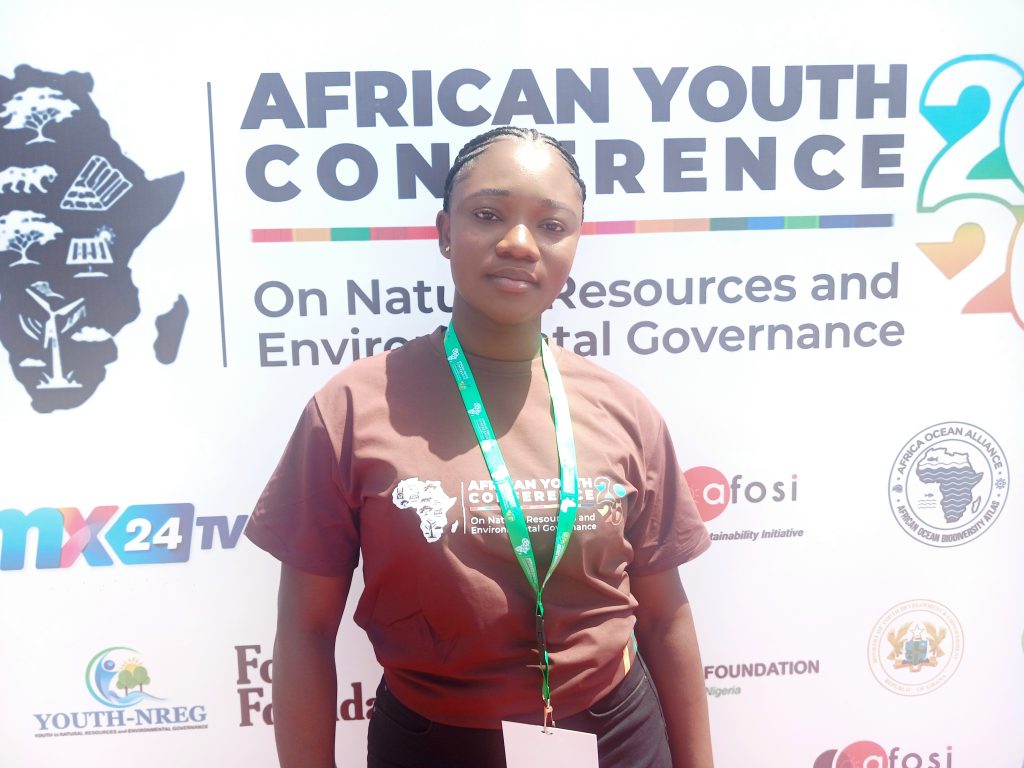
She said the conference represented a continental signal that African young people were prepared to contribute to shaping the future of climate action.
Ms Teye said MPEC’s work focused on improving public understanding of environmental and climate issues through responsible, evidence-based communication.
She described SYND as an important partner in climate advocacy and civic engagement, adding that young people needed to participate directly in policy development rather than remain beneficiaries of decisions made by others.
She said youth leadership was essential to achieving climate resilience and sustainable development, particularly as African countries confronted challenges affecting food systems, cities, coastlines and national economies.
Ms Teye called for the conference to deepen participants’ knowledge, expand their networks and strengthen their commitment to inclusive and evidence-based climate action.
Conference challenges stakeholders to deliver results
The three addresses converged on the need to move beyond declarations and ensure that youth-led environmental innovations received the financing, technical support, institutional backing and market access required to achieve measurable impact.
Mr Ezekiel urged participants to leave the conference with new partnerships, practical commitments and individuals who would hold them accountable for delivering results before the next gathering.
Recalling an Akan proverb that a person climbing a good tree deserves a push, he said young African innovators were already making progress and needed the collective support of governments, development partners, businesses and their peers.
He formally declared the 2026 African Youth Conference on Natural Resources and Environmental Governance open, calling for a shift from gathering and advocacy towards scaling solutions that could improve livelihoods and protect the continent’s natural heritage.