
By Eugene Nyarko Jnr.
Alisa Hotel, Accra | August 26, 2026
Ghana’s economy has made significant progress in restoring macroeconomic stability, but the country must sustain fiscal discipline and accelerate structural reforms to translate the recovery into quality jobs and improved livelihoods, the World Bank has said.
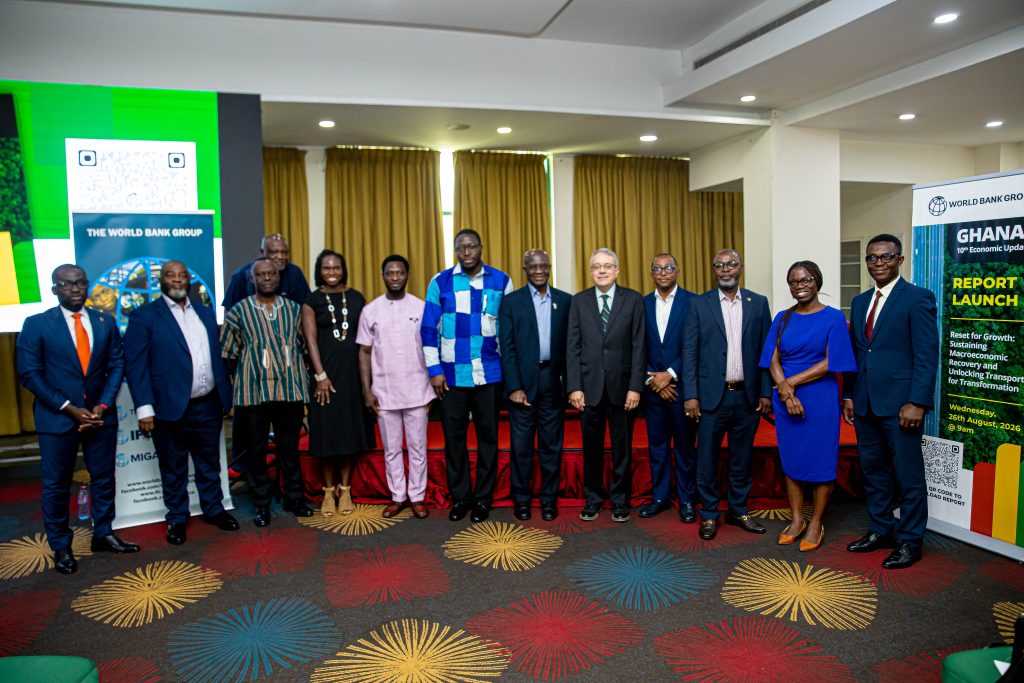
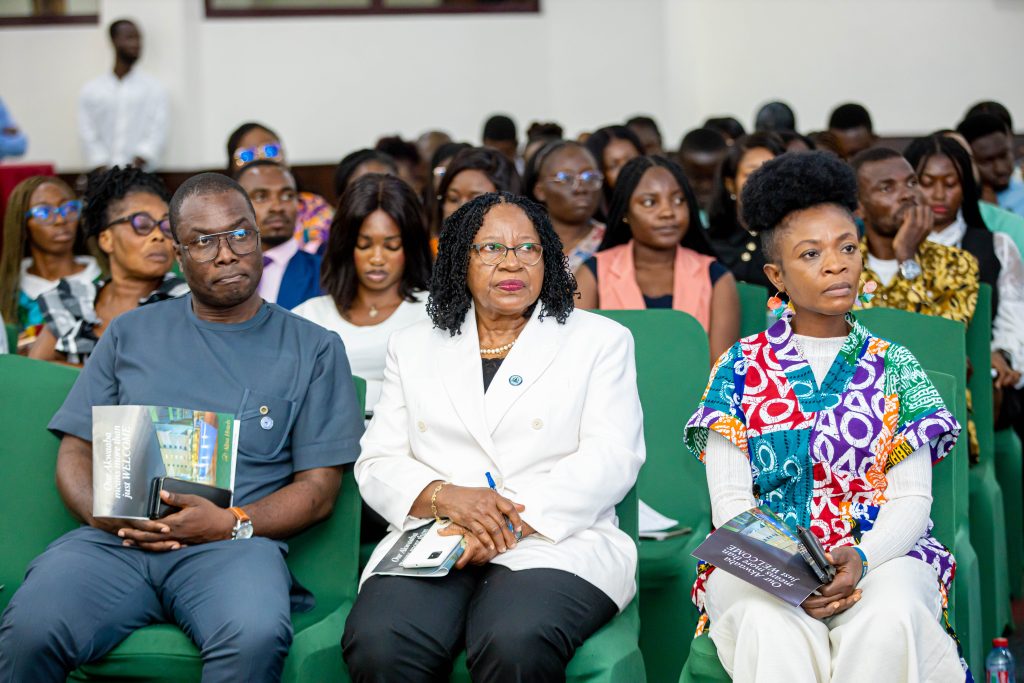
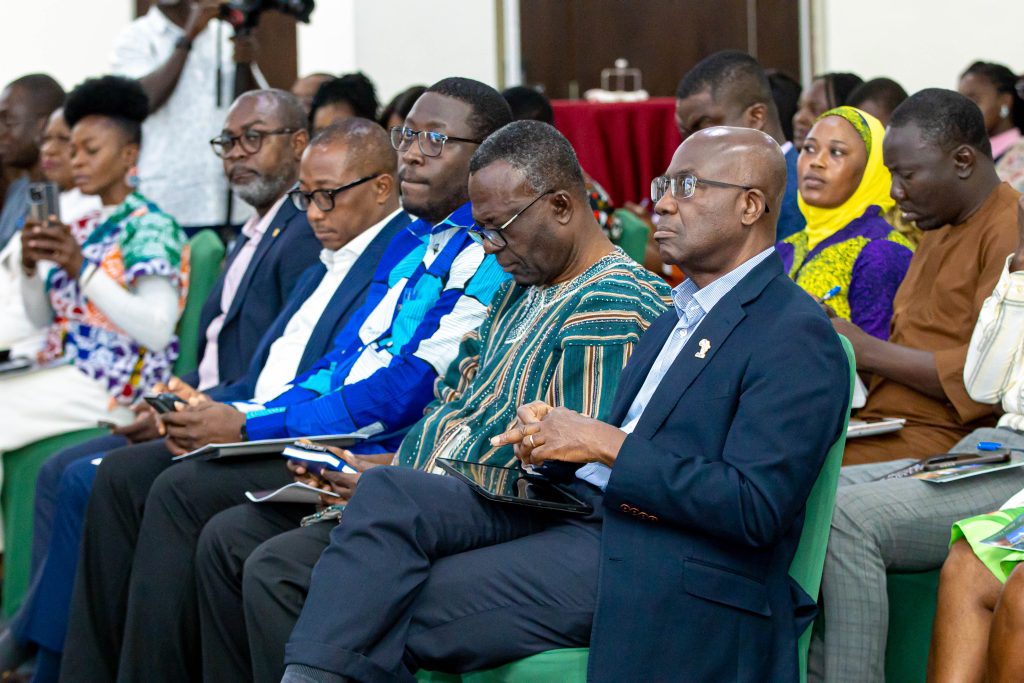
The call was contained in the World Bank’s 10th Ghana Economic Update, titled Reset for Growth: Sustaining Macroeconomic Recovery and Unlocking Transport for Transformation, launched in Accra on Wednesday, August 26, 2026.
The report said Ghana’s economic recovery deepened in 2025, with real Gross Domestic Product (GDP) growth reaching six per cent, supported largely by the services and agriculture sectors.
It noted that inflation had fallen sharply, gross international reserves had strengthened and the fiscal position had improved, with the primary surplus exceeding the programme target.
Public debt also declined substantially following progress on the country’s comprehensive debt restructuring programme.
However, the World Bank cautioned that the recovery remained incomplete, noting that economic growth had not yet generated enough quality jobs to absorb Ghana’s expanding working-age population.
It further observed that poverty remained elevated in some parts of the country, while external risks, including commodity price volatility, higher energy and fertiliser costs and tighter global financing conditions, could threaten the sustainability of the recovery.
“Ghana has made important progress in restoring stability after a difficult period, but the next phase must be about making the recovery durable and more inclusive,” the World Bank Division Director for Ghana, Liberia and Sierra Leone, Robert Taliercio, said.
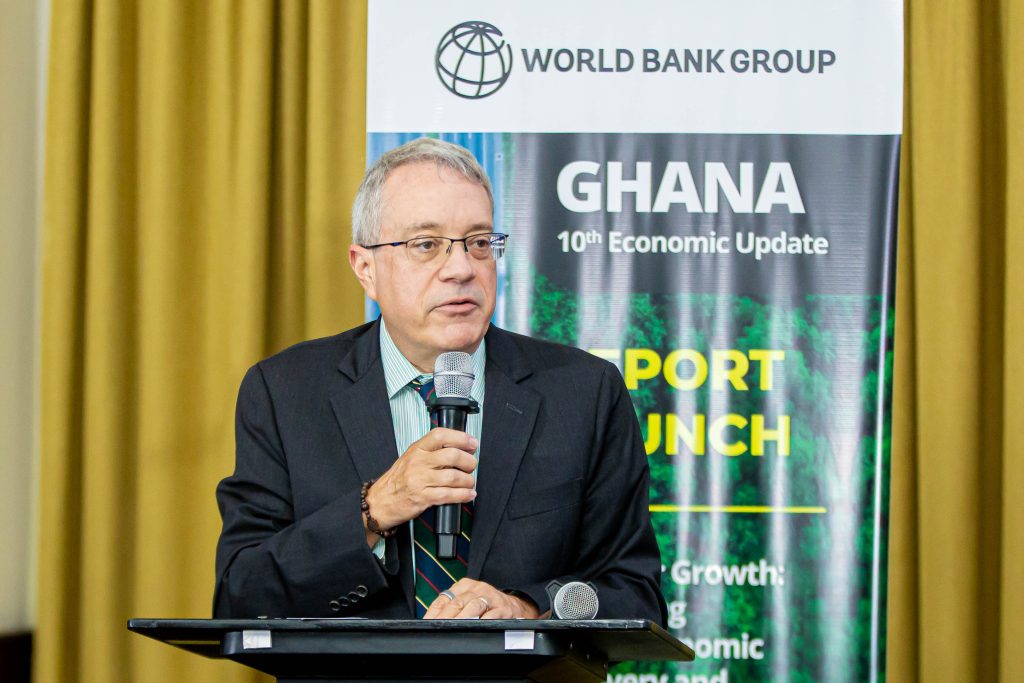
He stressed the need to maintain fiscal and monetary discipline, strengthen domestic revenue mobilisation and protect priority social and infrastructure spending to ensure that macroeconomic gains translated into better jobs and improved welfare.
The World Bank projects Ghana’s economic growth to moderate to 4.8 per cent in 2026 as post-crisis adjustment gains taper off and external pressures persist.
Growth is, however, expected to converge towards the country’s medium-term potential of about five per cent.
Inflation is also projected to remain within the Bank of Ghana’s target band, provided monetary policy remains data-dependent and external price shocks are carefully managed.
Transport sector
The report’s special focus was on Ghana’s transport sector, which it identified as a major constraint on productivity, trade and job creation.
According to the report, chronic under-maintenance, fragmented governance, weak multimodal integration and limited climate resilience continue to undermine the efficiency of the transport system.
It said roads carry more than 95 per cent of passenger and freight traffic, while significant portions of the road network remain unpaved or in poor condition.
The decline in rail freight over the decades has further increased pressure on the road network, while inadequate linkages between ports and inland logistics systems continue to constrain trade efficiency.
The World Bank Transport Specialist and co-author of the report, Akua Pokuaa Timpabi, said transport should be treated as a central component of Ghana’s economic transformation agenda rather than solely as an infrastructure issue.
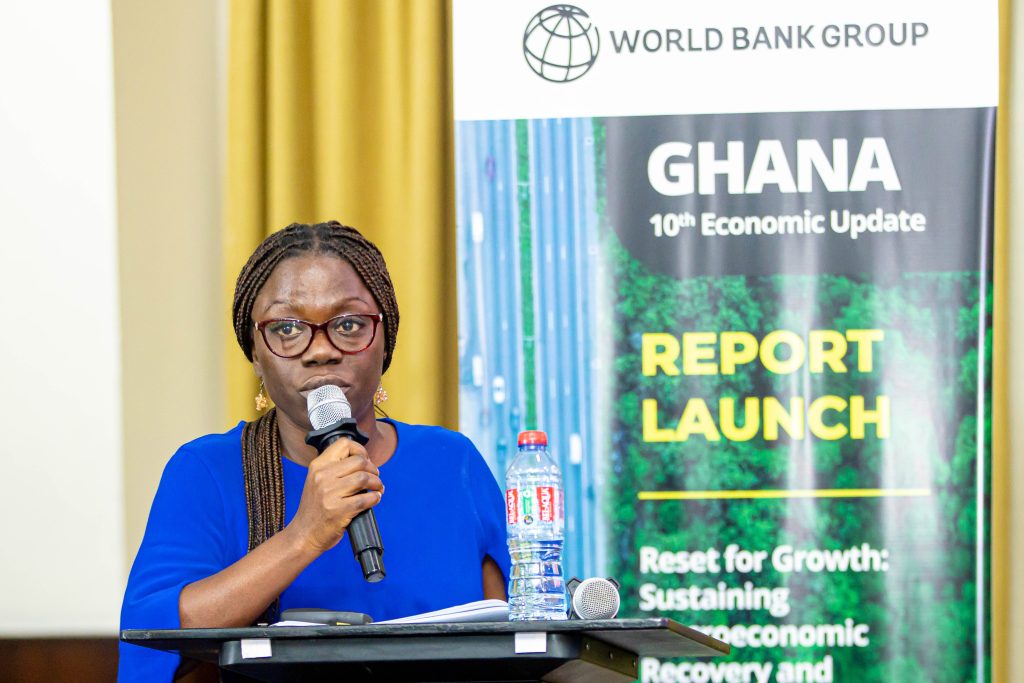
“Better-maintained roads, stronger rail and port linkages, safer urban mobility, and climate-resilient infrastructure can reduce the cost of doing business, connect farmers and firms to markets, and expand access to jobs,” she said.
The report outlined six priority reforms for Ghana’s transport sector.
They include sustainably financing road maintenance, improving coordination among transport agencies, revitalising rail freight along key trade corridors, treating road safety as an economic priority, integrating climate resilience into transport planning and financing, and expanding digital logistics systems beyond Tema.
The World Bank said the expansion of digital logistics systems could improve the management of ports, inland terminals and road assets.
It also noted that Ghana’s 2026 infrastructure ambitions, including the Big Push Infrastructure Programme, could contribute significantly to productivity and employment if capital investment was accompanied by stronger maintenance systems, better project preparation, improved governance and credible financing frameworks.
Sustaining reforms
The World Bank Senior Economist and co-author of the report, Tamoya Christie, said the current period of economic stabilisation presented Ghana with an opportunity to build a more diversified and employment-intensive economy.
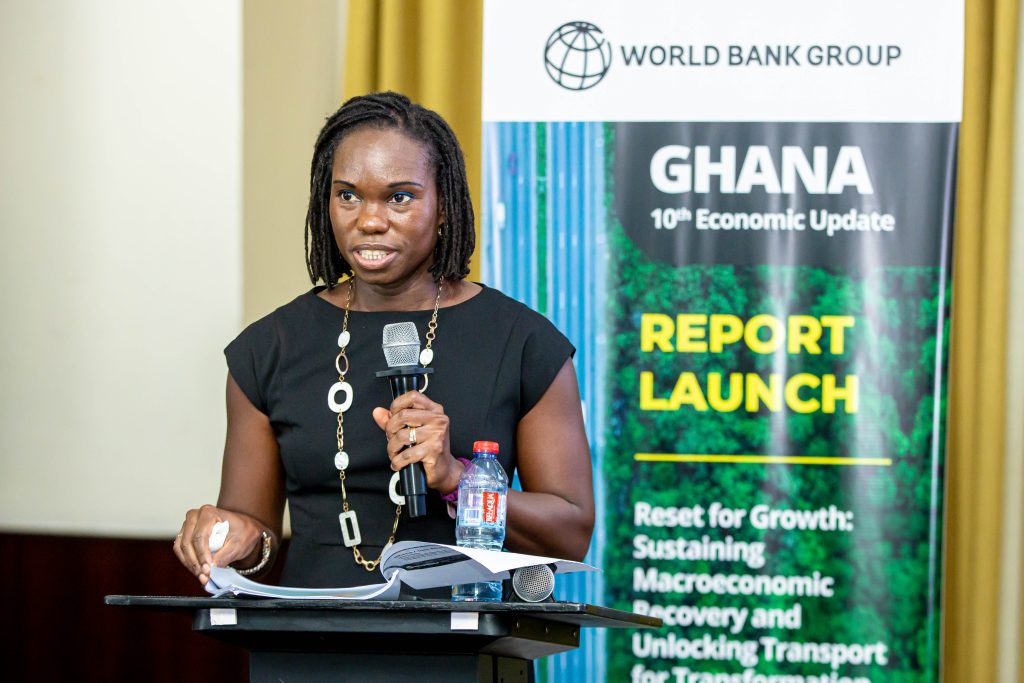
“The policy window is open,” he said, stressing that sustained reforms would be necessary to protect fiscal stability while removing structural bottlenecks that hinder private investment and market access.
The report said the government’s ability to sustain the gains achieved in macroeconomic stabilisation would depend on continued fiscal discipline, stronger revenue mobilisation and reforms aimed at addressing structural constraints to private-sector growth.
The Ghana Economic Update is an annual World Bank publication that reviews recent economic developments, assesses the medium-term economic outlook and provides analysis of selected development priorities.
The 10th edition focuses on sustaining Ghana’s macroeconomic recovery and unlocking the transport sector as a platform for broader economic transformation.