

Story by Eugene Nyarko Jnr. l Accra l Tuesday, November 24, 2026 —
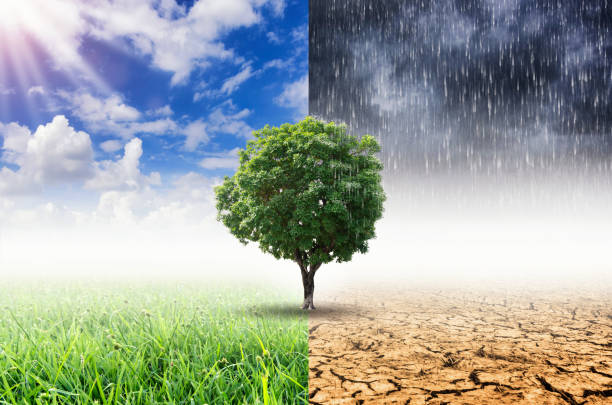
Ghana has been urged to strengthen its national food reserves and intensify preparations to safeguard agricultural production and food security amid warnings of a developing El Niño phenomenon that could disrupt rainfall patterns and threaten food production.
According to a report by the Africa Reporters Network, sighted by ICN-GHANA, the potential weather phenomenon could have significant implications for agriculture, water supplies and public health, raising concerns about Ghana’s preparedness to withstand possible disruptions to food production.
The report highlights the vulnerability of farmers to prolonged dry spells, particularly when rainfall becomes irregular after planting, potentially resulting in crop failure, reduced harvests and increased food prices.
It further draws attention to concerns surrounding Ghana’s food storage capacity, citing disclosures by the National Food Buffer Stock Company (NAFCO) in May 2026 that, although the company had an installed storage capacity of approximately 129,000 tonnes, only between 40,000 and 44,000 tonnes were usable at the time.
The development has raised questions about the country’s capacity to maintain adequate strategic food reserves in the event of prolonged drought or other climate-related disruptions to agricultural production.
The Africa Reporters Network report recommends that the Ministry of Food and Agriculture (MoFA) and NAFCO strengthen national grain reserves, rehabilitate existing warehouses and increase the procurement of suitable food commodities from local farmers before potential shortages emerge.
It also calls for preparedness measures that extend beyond food storage infrastructure, including the distribution of drought-tolerant seeds to vulnerable farming communities to improve their resilience against changing rainfall patterns.
Additionally, the report advocates support for household, school and community-level food production as part of broader efforts to strengthen local food systems and reduce vulnerability to possible supply disruptions.
While acknowledging that government institutions have begun taking steps towards preparedness, the report stresses the importance of translating scientific warnings and policy commitments into practical interventions before their potential consequences materialise.
It notes that a food crisis is not inevitable if the country strengthens its preparedness measures and takes timely action to protect agricultural production, food supplies and vulnerable communities.
The report comes amid growing concerns about the effects of climate variability on food systems and the need for countries to strengthen their resilience against extreme weather events.
The full report is available on the Africa Reporters Network website at africareportersnetwork.com.