
Vice President Tours Lands Ministry, Commends Reforms and Environmental Recovery Efforts

Story by Eugene Nyarko Jnr. l Accra l Tuesday, January 27, 2026
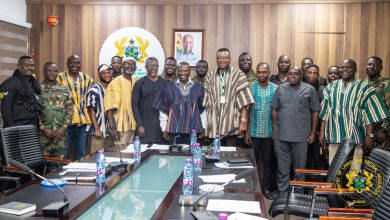
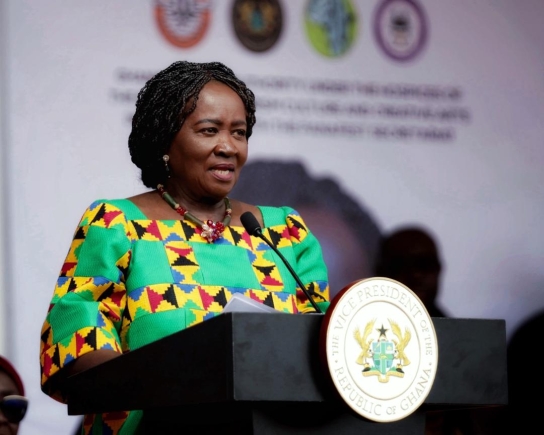
The Vice President of the Republic of Ghana, Prof. Naana Jane Opoku-Agyemang, has reiterated government’s commitment to environmental protection, land administration reform and institutional accountability during a working visit to the Ministry of Lands and Natural Resources.
The visit forms part of a broader, structured engagement by the Vice President with ministries, departments and agencies, aimed at strengthening collaboration, accessibility and firsthand assessment of progress made over the past year.
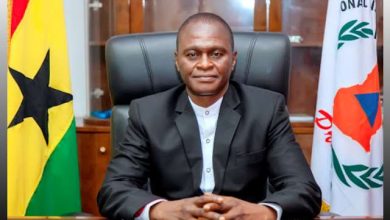
Explaining the rationale behind the Vice President’s engagements, the Chief of Staff at the Office of the Vice President, Alex Percival Segbefia, said the visits were deliberately sequenced. He noted that initial visits focused on ministries under the Vice President’s specific oversight—Education, Health and Gender—followed by ministries headed by women, first-time ministers and deputies, and finally those led by ministers with prior experience in their portfolios.

He said the Lands Ministry was among the last category, adding that by the close of the day, the Vice President would have visited 12 ministries. According to him, the exercise is intended to make the Office of the Vice President more accessible, foster a sense of teamwork within government, and allow the Vice President to hear directly from ministries about their progress and challenges.
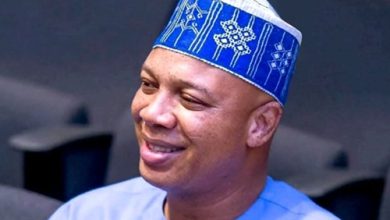
Welcoming the Vice President, the Minister for Lands and Natural Resources, Emmanuel Armah-Kofi Buah, presented a comprehensive account of reforms and interventions undertaken since he assumed office exactly one year ago.
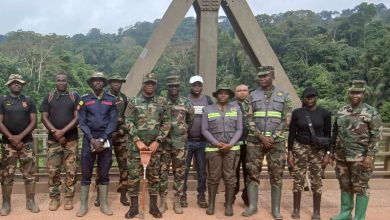
He painted a stark picture of the state of Ghana’s forest reserves inherited by the ministry, revealing that 44 out of 288 forest reserves had been completely destroyed, with about 16 per cent of forest cover lost over the past eight years. He said nine reserves had previously fallen into “red zones” dominated by armed illegal miners, with more than 5,500 hectares—equivalent to over 7,500 football fields—degraded.
To reverse the trend, the minister said government launched the “Tree for Life Reforestation Initiative” in March 2025, targeting the planting of 30 million seedlings. He disclosed that over 28 million seedlings were planted in the first year alone, while 340 hectares of degraded mined lands had been reclaimed in the Ashanti and Western regions.
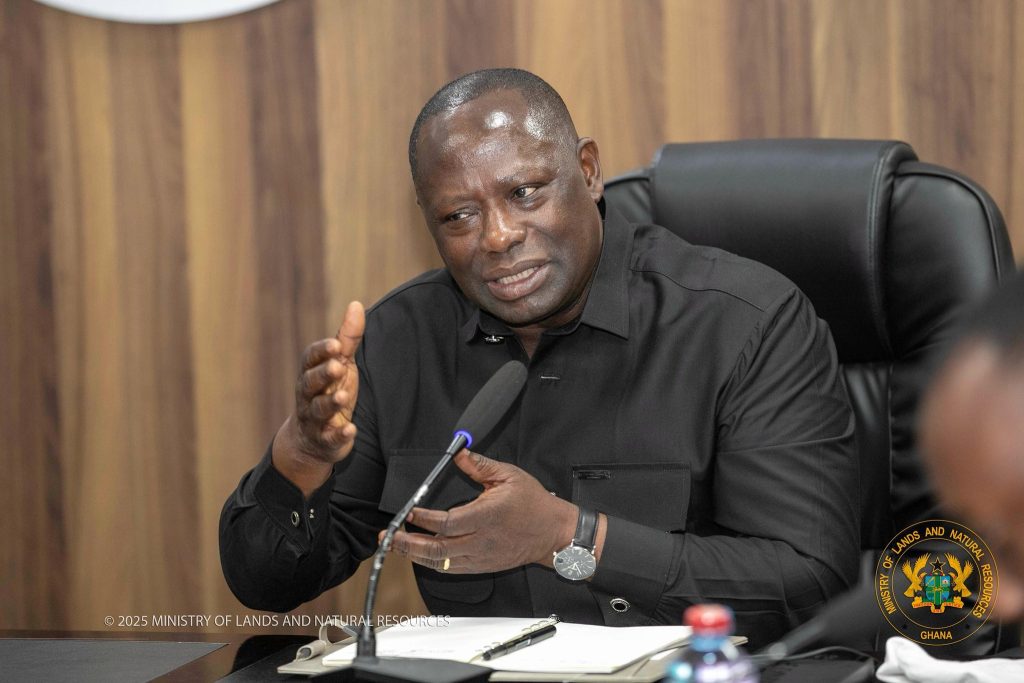
Mr. Buah also highlighted improvements in forest governance, noting that Ghana became the first African country to obtain a Forest Law Enforcement, Governance and Trade (FLEGT) licence, enabling the export of legally sourced timber to the European Union. He added that forest law enforcement units had been retooled and motivated, leading to the reclamation of all nine previously inaccessible forest reserves.
On land administration, the minister acknowledged longstanding challenges at the Lands Commission, including missing files and delays, and announced a major digitalisation drive. He said government had approved the retention of 70 per cent of the commission’s internally generated funds to support the full digitisation of land records and services over the next two years.
He further disclosed that Cabinet had approved a comprehensive review of all public lands sold by state officials, with transactions that failed to meet due process requirements to be cancelled. The move, he said, is aimed at restoring public confidence and safeguarding state lands.
Addressing illegal mining, popularly known as galamsey, the minister described it as the “big elephant in the room,” citing severe pollution of major river systems, including the Ankobra, Pra, Tano and Birim rivers. He revealed that turbidity levels in some water bodies had risen far beyond treatable limits, forcing water treatment plants to shut down.
To tackle the menace, the ministry has adopted a five-pillar strategy comprising stakeholder engagement, regulatory reform, strengthened law enforcement, reclamation, and the provision of alternative livelihoods. As part of enforcement measures, over 255 small-scale mining licences have been revoked, mining in forest reserves banned, and a new tracking system introduced for heavy mining equipment entering the country.
In her keynote address, Prof. Opoku-Agyemang commended the minister and his team for the progress made, describing the interventions as critical to Ghana’s survival.
She stressed that environmental protection is not merely a moral obligation but a matter of national survival, citing the health and social consequences of environmental degradation. The Vice President assured the ministry of government’s full support and encouraged intensified efforts, particularly in reclamation, decentralisation of services and digitisation.
She also urged the ministry to ensure that women benefit from land bank initiatives, noting that many women farmers lack access to land despite their significant contribution to agriculture.
The Vice President concluded by congratulating the minister on his first anniversary in office and encouraging all agencies under the ministry to build on the gains made in safeguarding Ghana’s lands, forests and water resources.