
A One-on-One Investigative Conversation with Irodili (Part One)
At a time when Nigeria is grappling with profound political uncertainty, worsening insecurity, and growing social discontent, the role of vocal activism has become both controversial and indispensable. Across digital platforms and civic spaces, activists continue to challenge authority, question leadership, and demand accountability—often at great personal risk.
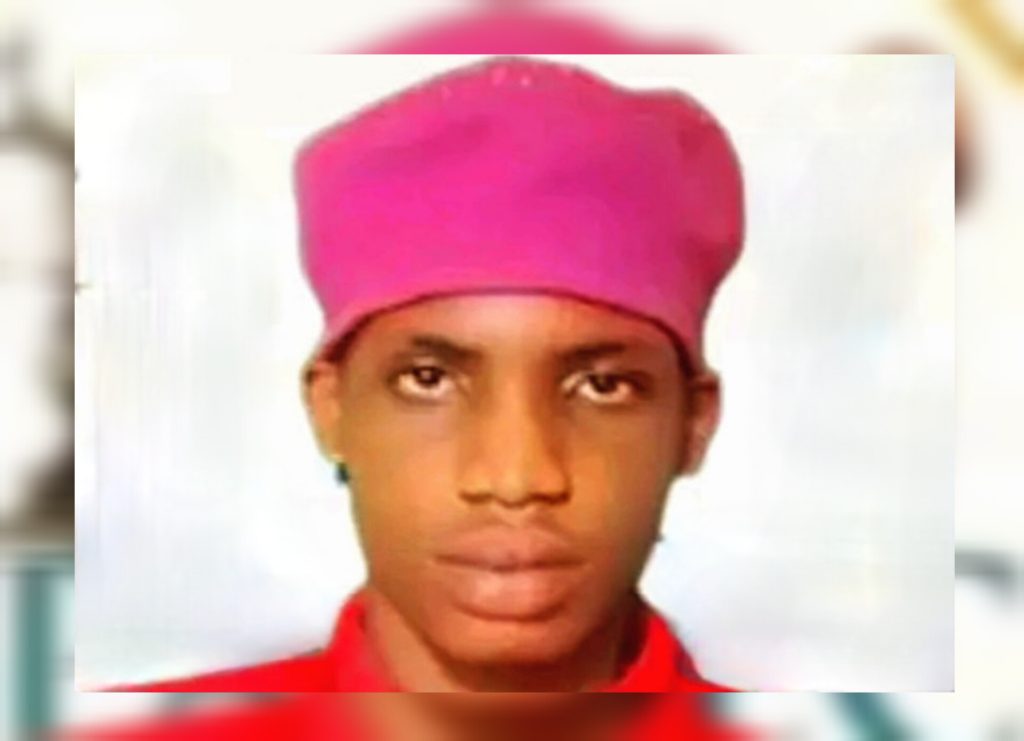
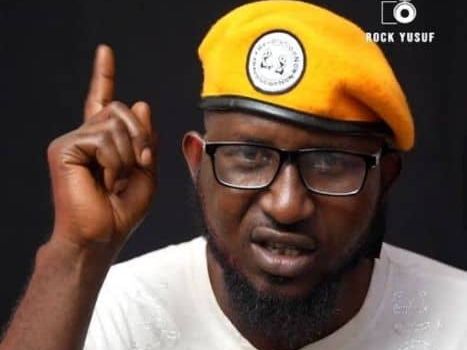
Rock Yusuf is one such voice. Known for his unapologetic stance on democracy, human rights, and good governance, Yusuf has consistently aligned himself with causes and individuals he believes embody the struggle for a more just Nigeria. In this exclusive one-on-one conversation with Irodili, he speaks candidly about Omoyele Sowore’s activism, the credibility of Nigeria’s political leadership, insecurity and terrorism, freedom of speech, and the evolving power of social media activism.
This first part of the interview offers a direct and unfiltered look at Nigeria’s realities today—through the lens of an activist committed to speaking truth to power.
“Why I Stand with Sowore”
Irodili: You’ve publicly supported Omoyele Sowore for years. What specific moment or event made you fully commit to his activism, and how has your view of him changed—or not—over time?
Rock Yusuf: My commitment to Sowore’s activism stems from his unwavering dedication to democratic principles and human rights. His courage in challenging the Nigerian government, even in the face of persecution, deeply resonates with my values. Over time, my view of him has remained consistent—he has continued to demonstrate integrity, resilience, and a refusal to compromise on justice.
Presidency, Power, and Political Reality
Irodili: Sowore leads the African Action Congress (AAC). Based on Nigeria’s current political landscape and his record—including the government’s legal actions against him—do you genuinely think he has a real shot at the presidency?
Rock Yusuf: Predicting electoral outcomes in Nigeria is difficult. However, Sowore and the AAC have garnered significant grassroots support. His long-standing activism and willingness to challenge entrenched power structures appeal to many disaffected Nigerians seeking real change. Whether or not he wins, his candidacy continues to shift political conversations.
Calling Out Power Without Bias
Irodili: You frequently criticise political figures like Reno Omokri, Nyesom Wike, and President Tinubu on social media. How do you ensure your criticism is about genuine wrongdoing and not political bias?
Rock Yusuf: I rely strictly on verifiable evidence and public records. My goal is not personal attacks but accountability. Leaders must be questioned when their actions undermine good governance, democracy, or human rights.
Social Media Activism and Its Contradictions
Irodili: Influencers like VeryDarkMan (Martins Vincent Otse) also mobilise online activism. Some see him as inconsistent or overly dramatic. How do you compare his style to yours?
Rock Yusuf: Our styles differ. I focus more on government actions and inactions rather than private citizens, because many societal issues reflect governance failure. That said, VeryDarkMan’s activism has undeniably raised awareness on important issues. While his approach attracts criticism, his impact cannot be ignored.
Insecurity: Symptom or Cause?
Irodili: Nigeria faces both criminal banditry and ideological insurgency like Boko Haram. Which do you see as the root problem?
Rock Yusuf: Insecurity is complex. Groups like Boko Haram are symptoms rather than the root cause. Economic neglect, inequality, political interests, and lack of access to education and opportunities are the deeper drivers. Addressing these root causes is essential.
Who Benefits from Chaos?
Irodili: Some analysts argue banditry and terrorism are fuelled by political interests or economic neglect. What informs your view?
Rock Yusuf: While external influences may exist, domestic factors are far more significant. Corruption, poverty, weak institutions, and poor governance play the largest roles in sustaining insecurity.
Freedom of Speech Under Pressure
Irodili: The Federal Government has charged Sowore under cybercrime and defamation laws for calling President Tinubu a “criminal.” What does this say about freedom of speech in Nigeria?
Rock Yusuf: It raises serious concerns. Freedom of expression is fundamental in a democracy. National security should never be used as a pretext to suppress dissent or silence critics.
Activism Versus Instability
Irodili: Critics say social media activism can fuel unrest. How do you balance bold criticism with responsibility?
Rock Yusuf: I remain mindful of the impact of my words. I will always speak truth to power, but I also prioritise constructive dialogue and avoid rhetoric that could incite violence.
Has Activism Delivered Results?
Irodili: What real change have activists achieved in the last two years?
Rock Yusuf: Activism has forced accountability, exposed abuses, and protected human rights. Protests and online pressure have helped secure the release of detainees and created a more informed and engaged citizenry—outcomes governments often resisted until pressured.
Unity, Identity, and Diversity
Irodili: You’ve shown respect toward Igbo communities despite religious and ethnic tensions in Nigeria. What shaped this outlook?
Rock Yusuf: My experiences have taught me that diversity is a strength. I believe in celebrating differences while working toward an inclusive and equitable society for all Nigerians.
Reform or Separation?
Irodili: On regional autonomy and Biafra agitation, where do you stand?
Rock Yusuf: National reform is essential, but I understand the frustrations driving separatist movements. I advocate for inclusive, decentralised governance that addresses regional concerns without fragmenting the nation.
Law as Shield or Weapon?
Irodili: When the DSS demands removal of anti-government posts online, is this about security or silencing dissent?
Rock Yusuf: Too often, legal tools are used to silence dissent rather than protect national security. This approach undermines democracy and human rights.
Foreign Influence or Homegrown Failure?
Irodili: Do you believe foreign actors significantly influence Nigeria’s insecurity?
Rock Yusuf: Foreign actors may play a role, but domestic issues—corruption, poor governance, and lack of accountability—are far more pressing and damaging.
When Activism Works
Irodili: Can you point to a moment when your activism led to tangible results?
Rock Yusuf: Yes. There have been instances where my advocacy contributed to securing the release of detained activists. Sustained pressure can lead to real outcomes.
A Message to the World
Irodili: If a global audience were to read one thing about Nigeria today, what should it be?
Rock Yusuf: Nigerians are resilient and determined. Despite political, social, and economic challenges, we are a nation of innovators, entrepreneurs, and activists working tirelessly toward a more just and equitable future.
What Comes Next
Part Two of this XCLUSIVE 9JA investigation will delve deeper into Nigeria’s future, with a focused examination of Fulani banditry and terrorism—probing structures, interests, and possible solutions with sharper investigative analysis.
ICN-GHANA l XCLUSIVE 9JA