
EmpowerAbility Director Demands Inclusion of Persons with Disabilities in AI Discussions

Story by Eugene Nyarko Jnr. | Accra | Saturday, May 30, 2026
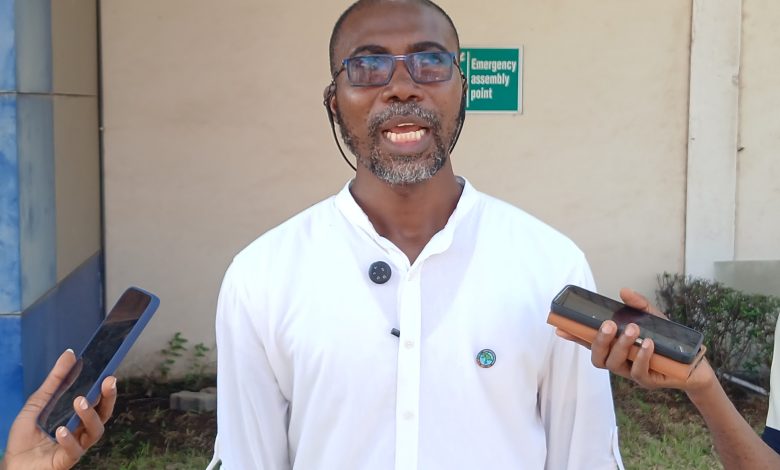
The Executive Director of EmpowerAbility, Mr. Joseph Lawrence Hammond, has called for the deliberate inclusion of persons with disabilities in national conversations on artificial intelligence, agriculture and development.
Speaking during the sixth edition of the Beyond AI Series workshop at the Accra Digital Centre, Mr. Hammond lamented the continued marginalisation of persons with disabilities despite their potential to contribute significantly to national development.
According to him, disability issues are often overlooked at major public events and policy discussions.
“Persons with disabilities have been marginalised for far too long. It is time for Ghana to move away from the traditional charity model and adopt an empowerment and productivity-based approach,” he said.
Mr. Hammond noted that many persons with disabilities possess exceptional talents, intelligence and innovative ideas but are frequently excluded from opportunities that would enable them to contribute meaningfully to society.
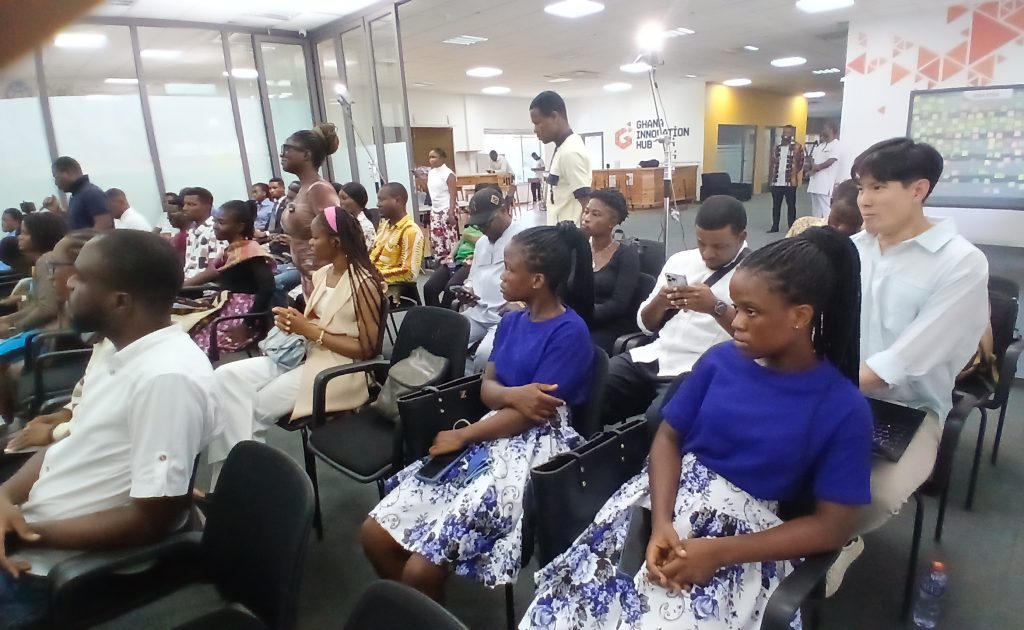
He stressed that discussions on artificial intelligence, climate change, agriculture and other national issues would be incomplete if persons with disabilities were left out.
The EmpowerAbility Director further questioned whether adequate efforts were being made to incorporate disability concerns into Ghana’s emerging AI strategy and technological development agenda.
He advocated greater integration of assistive technologies into national AI programmes and called for intentional policies that promote accessibility and inclusion.
Summarising his views on the workshop’s theme, “Feeding the Future or Feeding the System? AI, Agriculture and Africa’s Food Sovereignty,” Mr. Hammond stated that the future could only be secured when all groups in society are actively involved.
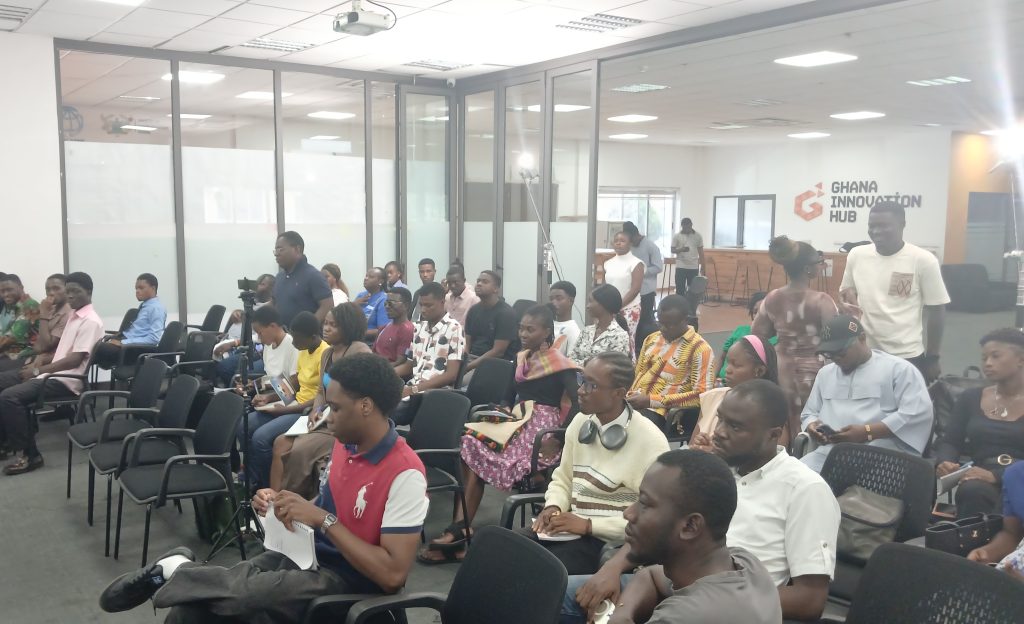
“If we want to feed the future, then we must get everybody involved. We cannot focus only on able-bodied people while excluding persons with disabilities and other marginalised groups,” he stressed.