
Story by Eugene Nyarko Jnr. | Accra | Saturday, May 30, 2026
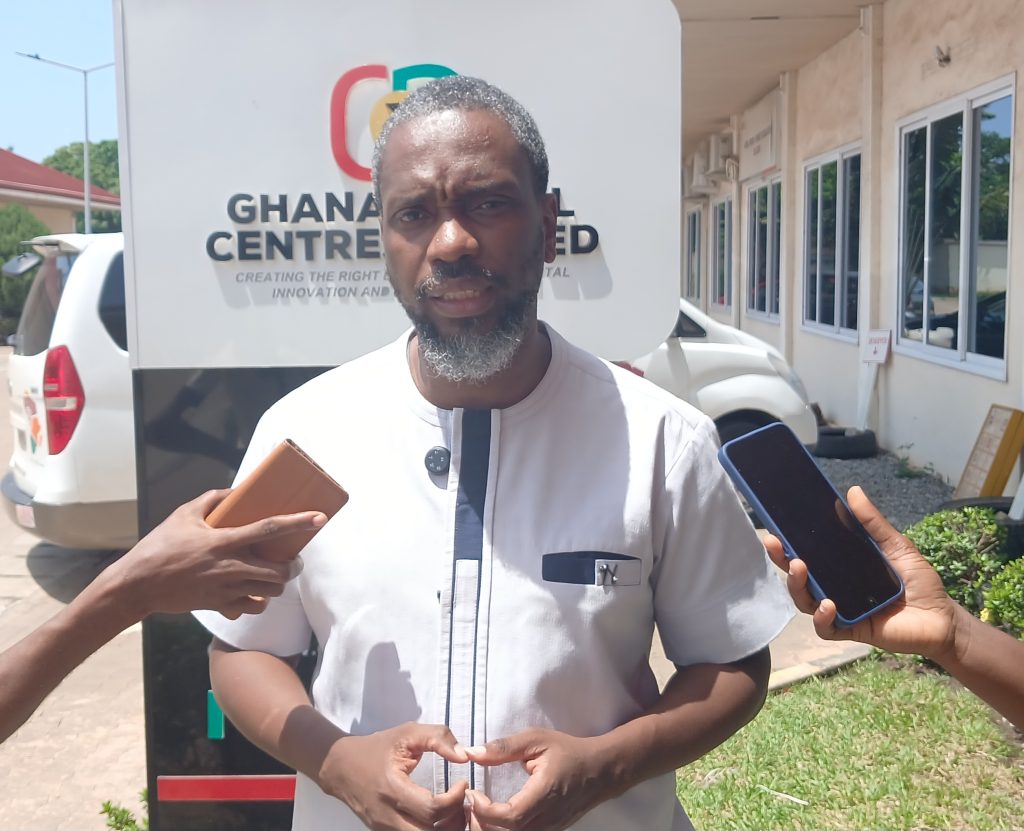
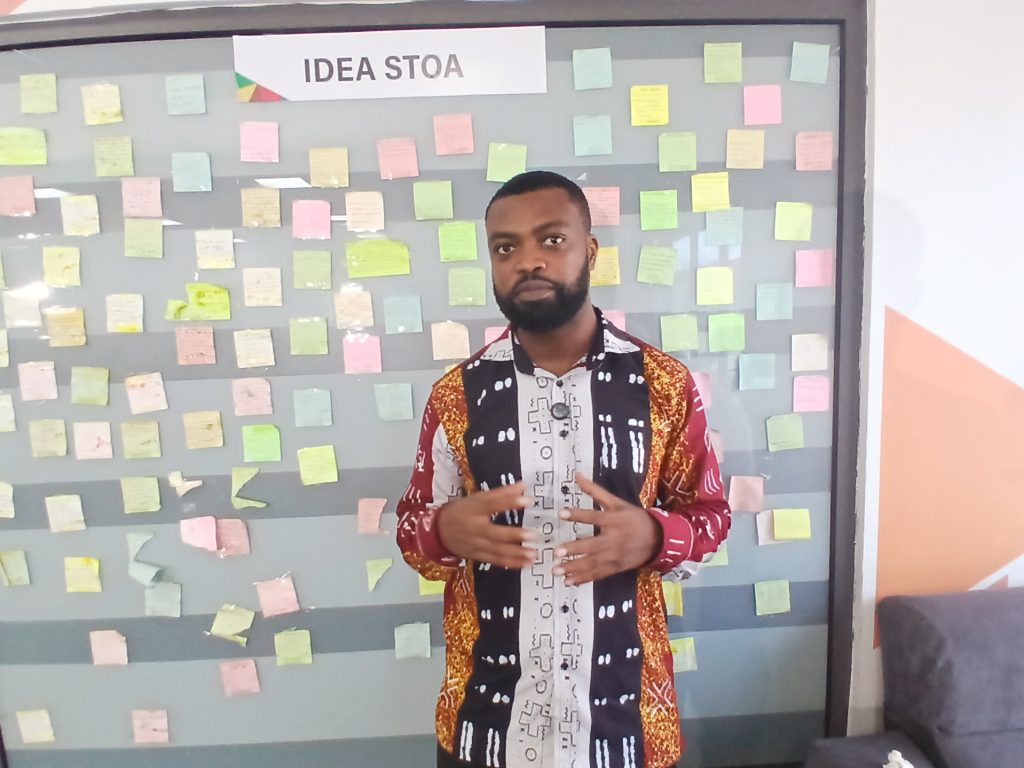
Technology policy advocate and Founder of the Beyond AI Movement, Mr. Kambale Musavuli, has called for greater public participation in conversations surrounding artificial intelligence (AI), stressing that African communities must take ownership of how the technology is developed and deployed to safeguard food sovereignty and social welfare.
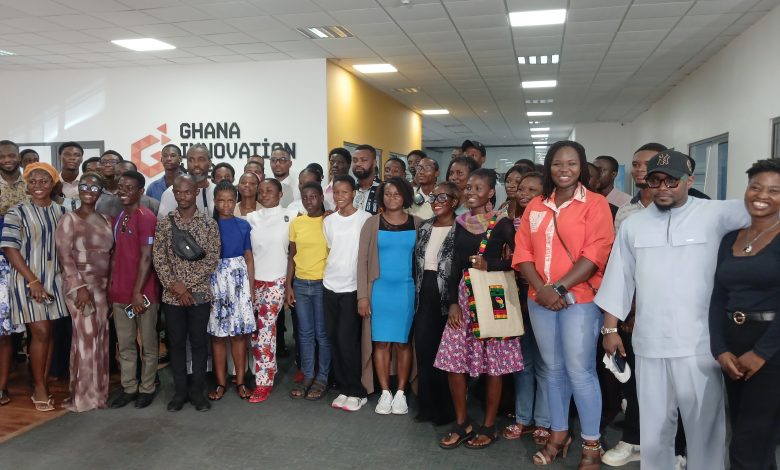
Speaking at the sixth edition of the Beyond AI Series workshop held at the Accra Digital Centre on Saturday under the theme, “Feeding the Future or Feeding the System? AI, Agriculture and Africa’s Food Sovereignty,” Mr. Musavuli said the initiative was created to bridge the knowledge gap surrounding AI while encouraging critical discussions on its societal impact.
According to him, although AI has become a global topic of discussion, many ordinary citizens lack access to platforms where they can learn about the technology and its implications.
“We want to build a platform where people can learn what is happening around AI, but also challenge the narratives surrounding it. Human intelligence still has the unique capacity to make ethical decisions that artificial intelligence cannot fully replicate,” he stated.
Mr. Musavuli explained that the Beyond AI Movement draws inspiration from Ghana’s National AI Strategy, particularly its focus on AI literacy and education. He noted that the movement’s activities are largely community-driven, with topics selected based on concerns raised by participants.
He said this year’s focus on agriculture emerged from growing public interest in understanding how AI could influence food production, disease control, labour markets and food security.
“Will AI help us feed the future, or will it simply feed the system by collecting data and producing solutions that are not relevant to our realities? These are the questions we must ask,” he noted.
Mr. Musavuli cautioned that while AI-powered agricultural technologies and robotics could improve productivity, policymakers must also consider the impact on rural workers and day labourers whose livelihoods depend on agricultural employment.
He further called for a nationwide expansion of AI literacy programmes, urging individuals and organisations across the country to replicate the Beyond AI initiative in their respective communities.
Describing the movement as African-led, he stressed the need for Africans to shape the continent’s AI future rather than becoming passive consumers of foreign technologies.
On inclusivity, Mr. Musavuli underscored the importance of involving women, youth and persons with disabilities in discussions on AI implementation. He recounted how the movement’s commitment to accessibility led to improvements at one of its event venues after a wheelchair user highlighted challenges with access.
He also praised renowned software developer and disability advocate, Farida Bedwei, for inspiring young participants through her personal journey and contributions to technology.
Also speaking to the media, Mr. Joseph Lawrence Hammond, Executive Director of EmpowerAbility and Head of Innovation and Digital Inclusion, urged policymakers and stakeholders to place inclusivity at the centre of AI and development discussions.
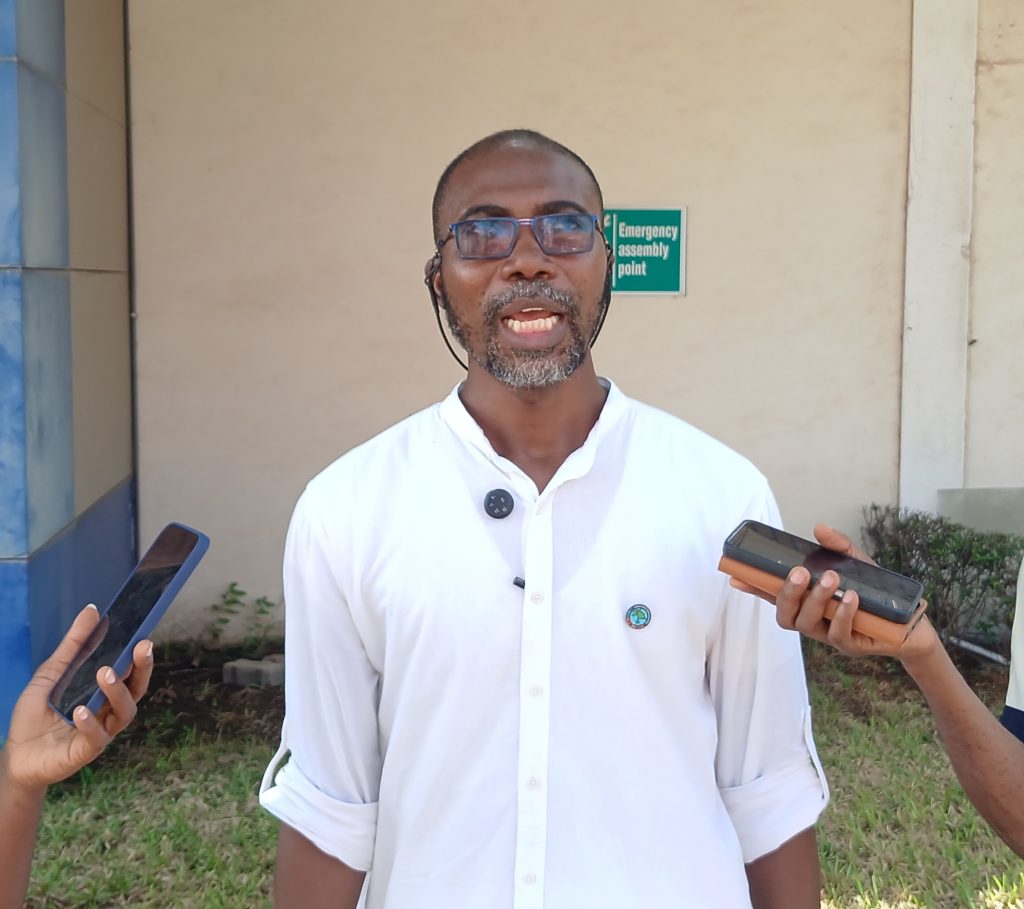
He lamented the longstanding marginalisation of persons with disabilities and called for a shift from charity-based approaches to empowerment-driven models.
“Persons with disabilities are intelligent, innovative and capable of contributing significantly to national development. We must intentionally include them in conversations on AI, climate change, agriculture and other national issues,” he said.
Mr. Hammond stressed that discussions on food sovereignty and technological advancement would remain incomplete if vulnerable and marginalised groups were excluded.
“If we truly want to feed the future, then everyone must be involved. We cannot build the future while leaving persons with disabilities behind,” he added.
Meanwhile, AI researcher, data scientist and lecturer at Academic City University, Dr. Peter Tettey Yamak, highlighted the crucial role of research and data in advancing AI-driven agricultural solutions.
He encouraged young people to view agriculture not merely as a means of food production but as a viable business opportunity capable of driving economic growth and food sovereignty.
According to him, AI can support agricultural supply chains through predictive modelling, data analysis and knowledge-sharing systems that incorporate indigenous farming practices.
Dr. Yamak also urged participants to champion awareness of Ghana’s National AI Policy and educate others on how AI can contribute to agricultural development.
From a policy perspective, Deputy Director of Agriculture at the Ministry of Food and Agriculture, Mr. Francis Kwasi Korankye, emphasised that agriculture should be treated as a national security priority in the era of AI.
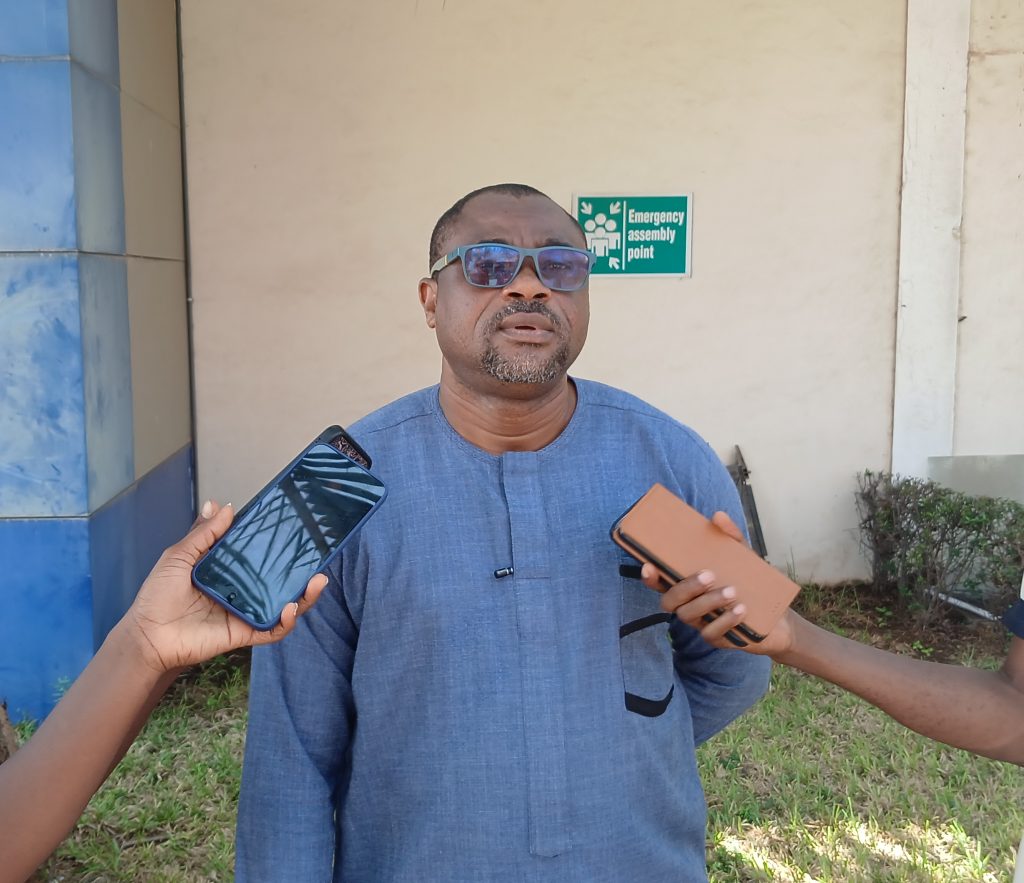
He noted that the management and governance of agricultural data must remain a key concern, warning that sensitive data could be misused if not properly regulated.
“Agriculture should not be seen as just another sector benefiting from AI. It is a national security domain, and we must ensure that those handling our data are accountable under Ghanaian law,” he stated.
Mr. Korankye further encouraged young people to embrace agriculture as a profitable economic venture rather than viewing it as a punishment or last-resort occupation.
He highlighted government interventions aimed at boosting agricultural production, including support for poultry farming, subsidised agricultural inputs and measures to reduce transportation costs for farmers.
The Deputy Director also pointed to emerging technologies such as drones, precision farming and smart agriculture as tools capable of attracting more young people into the sector.
While acknowledging the benefits of AI in agriculture, he stressed the importance of educating farmers to critically assess information generated by AI systems.
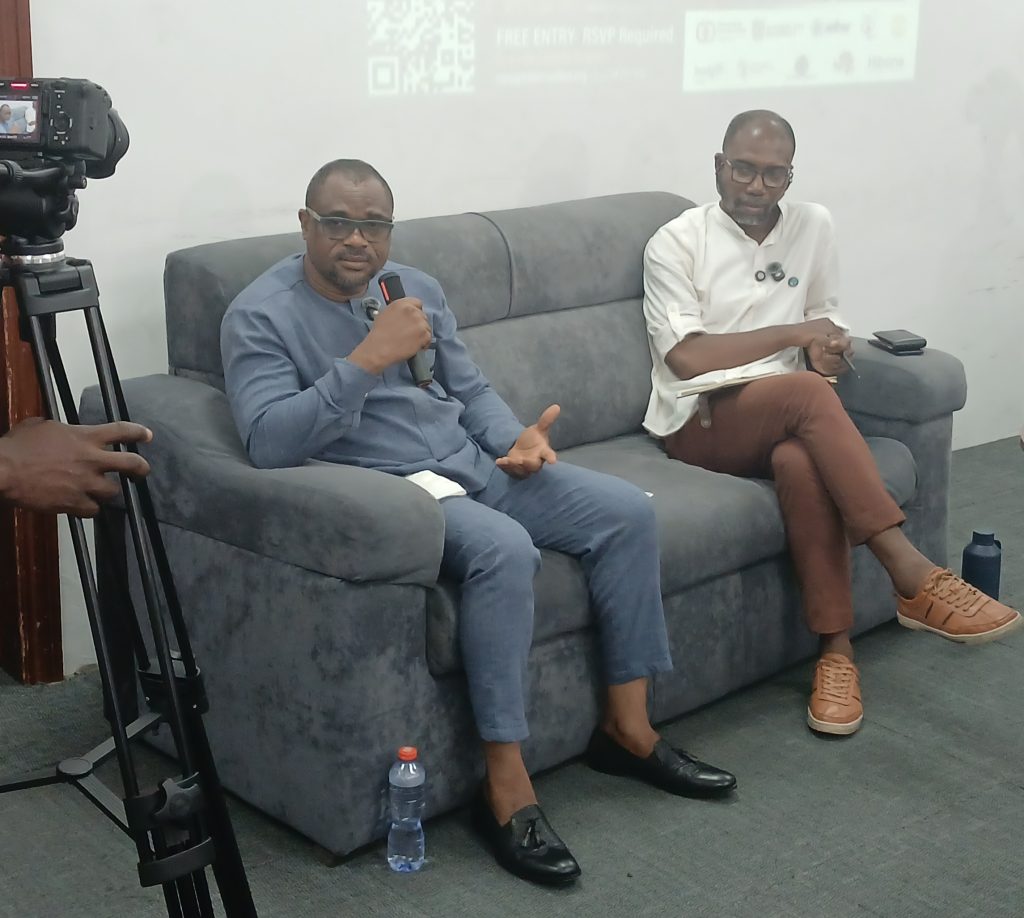
“We must sensitise and empower farmers to interrogate the information produced by AI so that they can make informed decisions,” he advised.
The workshop brought together policymakers, researchers, technology experts, civil society actors and young people to explore the opportunities and challenges of applying artificial intelligence to agriculture while safeguarding Africa’s food sovereignty and ensuring that no segment of society is left behind.