
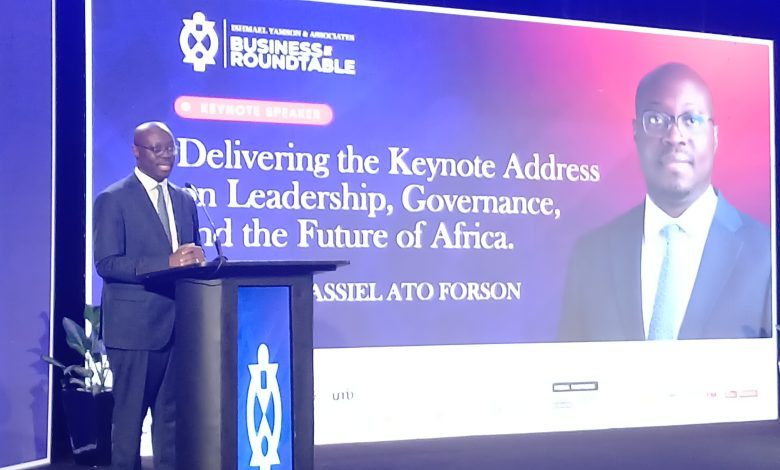
Story by Eugene Nyarko Jnr.|Mövenpick Ambassador Hotel, Accra | Thursday, May 28, 2026
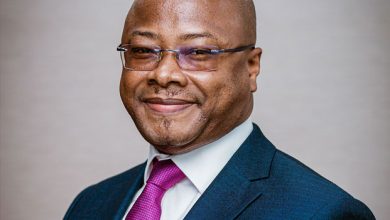
The Minister for Finance, Dr. Cassiel Ato Forson, has described trade integration as an economic survival strategy for Africa and urged governments and businesses across the continent to accelerate efforts toward deeper economic cooperation and industrial transformation.
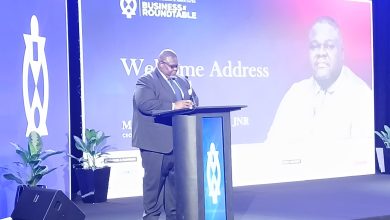
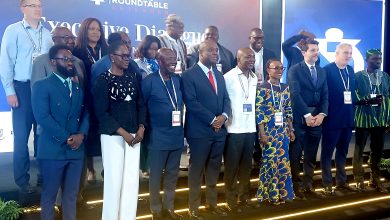
Delivering the keynote address at the 12th Ishmael Yamson & Associates (IYA) Business Roundtable in Accra, Dr. Forson said the African Continental Free Trade Area (AfCFTA) remains one of the most significant economic projects in modern African history.
According to him, the agreement has the potential to lift approximately 30 million Africans out of extreme poverty and significantly boost continental income by 2035.
However, he cautioned that trade agreements alone would not automatically deliver integration.
“Infrastructure, efficient borders, payment systems, policy coordination and trust create integration,” he stated.
The Finance Minister challenged African leaders to address structural barriers that continue to undermine competitiveness, including high transport costs, fragmented markets and weak regulatory harmonisation.
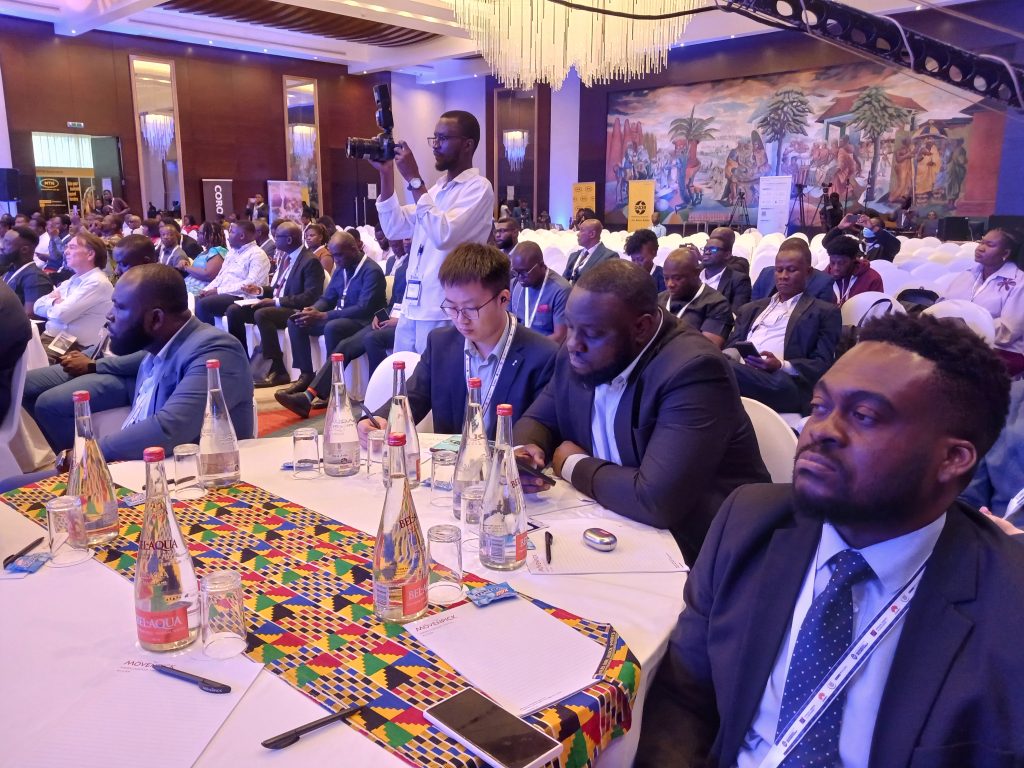
He questioned whether African businesses could effectively compete on the global stage if the continent’s markets remained divided and capital markets insufficiently integrated.
Dr. Forson noted that the global economy is increasingly reorganising around regional economic blocs, resilient supply chains and strategic autonomy, warning that Africa cannot afford to be left behind once again.
He stressed that good governance remains central to the continent’s development agenda, describing it as a combination of institutional capacity, policy predictability, rule of law, fiscal discipline, transparency and public trust.
“Investors do not just invest in resources; they invest in systems,” he said.
The Minister reaffirmed Ghana’s commitment to sustaining macroeconomic stability, strengthening investor confidence and implementing fiscal discipline to support private sector-led growth.
He explained that macroeconomic stability provides the foundation for investment, industrialisation, job creation and improved living standards.
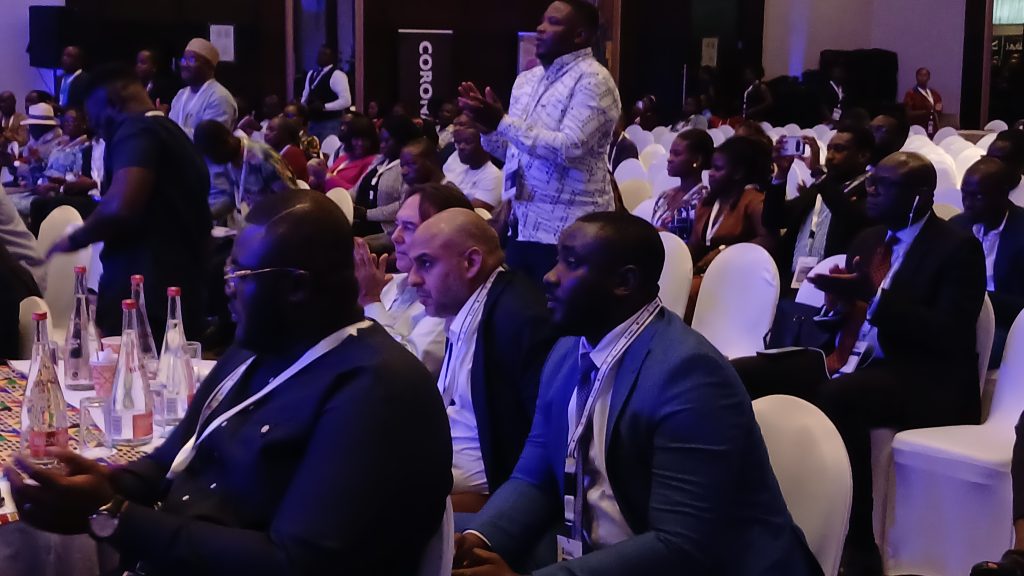
Dr. Forson further emphasised that Africa’s greatest asset is its people rather than its natural resources.
With projections indicating that one in every four people in the world will be African by 2050, he said the continent faces a critical choice: whether its youthful population becomes a demographic dividend or a demographic challenge.
He urged African countries to invest in innovation, skills development and entrepreneurship to enable young people to build globally competitive enterprises.
“The global relevance of Africa will not be gifted to us. It must be built deliberately through integration, industrialisation, digital transformation, energy security, strong institutions and strategic leadership,” he said.
Dr. Forson called on governments, businesses, academia, financiers and civil society organisations to think beyond short-term interests and electoral cycles in shaping Africa’s future.
He said history would ultimately judge the current generation on whether it succeeded in converting Africa’s vast potential into prosperity and competitiveness.
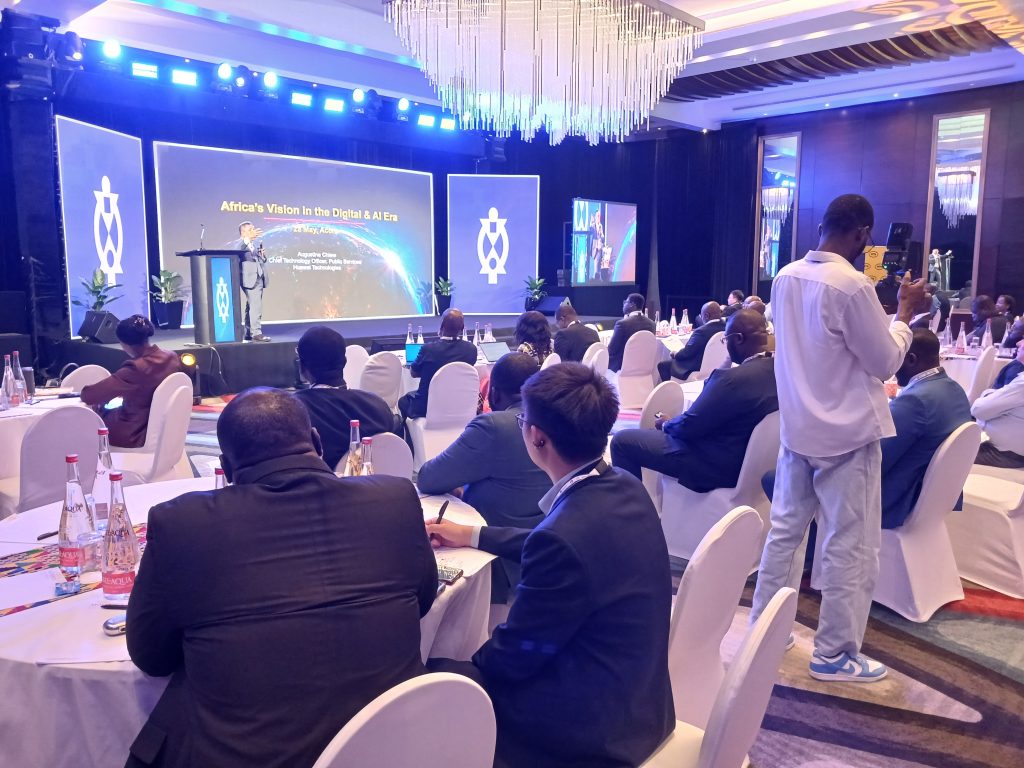
“Let us build an Africa that trades with itself, powers itself, industrialises, innovates and commands global relevance through performance,” he urged.
The Finance Minister expressed confidence that discussions and decisions emerging from the Business Roundtable would contribute meaningfully to shaping Africa’s development trajectory over the coming decades.