
Africa Must Turn Potential into Prosperity Through Integration, Industrialisation and Strategic Execution

Story by Eugene Nyarko Jnr. | Mövenpick Ambassador Hotel, Accra | Thursday, May 28, 2026
African leaders, policymakers, business executives and development experts have been urged to move beyond rhetoric and take deliberate steps to transform the continent’s vast resources into sustainable prosperity through economic integration, industrialisation, innovation and strategic leadership.
The call was made at the 12th Ishmael Yamson & Associates (IYA) Business Roundtable held in Accra under the theme,
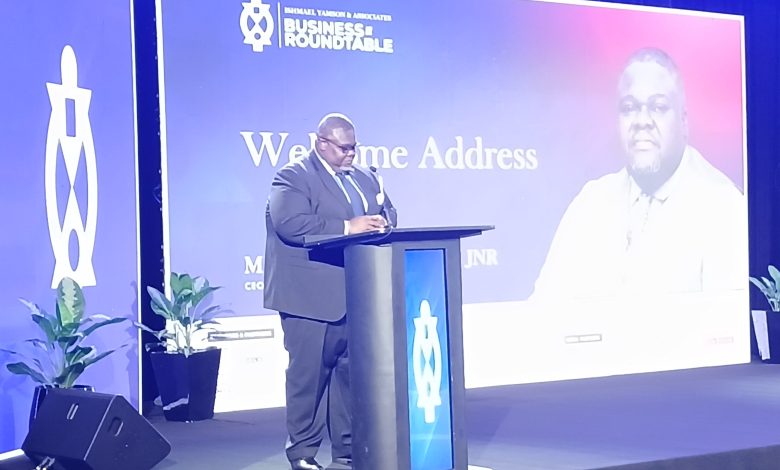
Delivering the welcome address, Chief Executive Officer of Ishmael Yamson & Associates, Mr. Ishmael Yamson, challenged African governments and businesses to abandon what he described as the comforting narrative of “Africa Rising” and focus instead on aggressive execution and wealth retention.
According to him, Africa possesses about 30 percent of the world’s critical minerals and 60 percent of uncultivated arable land, yet accounts for only about three percent of global trade.
“Potential without aggressive execution is simply prolonged failure,” he stated, adding that Africa’s current growth model remains largely extractive and fails to generate sufficient benefits for its citizens.
Mr. Yamson criticised the continued reliance on Gross Domestic Product (GDP) as the principal measure of economic success, arguing that it often masks structural weaknesses in African economies.
“When foreign conglomerates extract lithium from our soil and repatriate the profits offshore, our GDP rises and we celebrate, yet little value remains within our economies,” he said.
He called for a shift towards measuring economic success through retained Gross National Product (GNP), positive balances of payments and wealth retention.
The business leader also highlighted Africa’s food insecurity paradox, noting that while the continent produces enough food to feed itself, weak supply chains result in post-harvest losses estimated at 40 percent, forcing African countries to spend about US$100 billion annually on food imports.
Mr. Yamson urged African businesses to leverage the African Continental Free Trade Area (AfCFTA) through cross-border joint ventures capable of building globally competitive enterprises.
He further advocated the development of African-led Environmental, Social and Governance (ESG) frameworks that protect local interests while promoting sustainable industrialisation.
As part of efforts to nurture future leaders, he announced the launch of the Ishmael Yamson Foundation, which will provide structured incubation, leadership development and strategic training for young Africans. The foundation sponsored the participation of 100 delegates at this year’s roundtable.
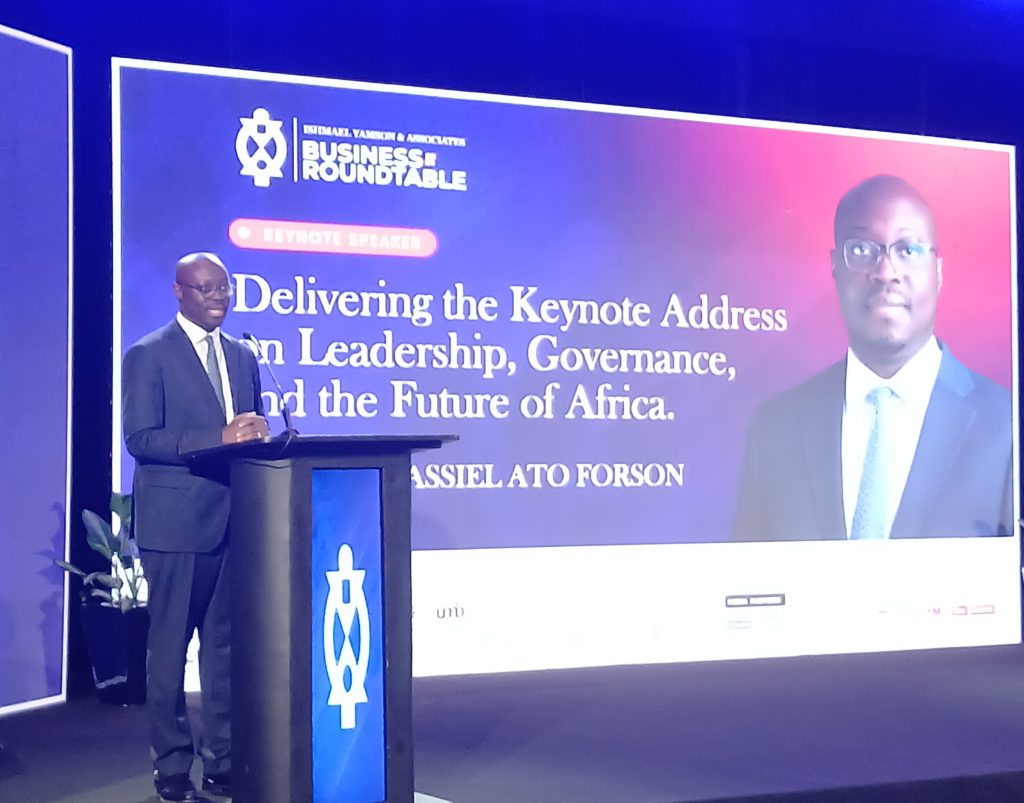
Delivering the keynote address, the Minister for Finance, Dr. Cassiel Ato Forson, described trade integration as an economic survival strategy for Africa and stressed the importance of fully implementing the African Continental Free Trade Area.
He noted that AfCFTA has the potential to lift about 30 million Africans out of extreme poverty and significantly increase continental income by 2035.
However, he cautioned that agreements alone would not deliver integration.
“Infrastructure, efficient borders, payment systems, policy coordination and trust create integration,” he said.
Dr. Forson questioned whether African businesses could compete globally while transport costs remain among the highest in the world and markets continue to be fragmented.
He stressed that Africa must align itself with emerging global trends centred on regional economic blocs, resilient supply chains and strategic autonomy.
The Finance Minister also underscored the importance of good governance, policy predictability, institutional capacity, fiscal discipline and transparency in attracting investment and sustaining long-term development.
“Investors do not just invest in resources; they invest in systems,” he stated.
According to him, Ghana remains committed to sustaining macroeconomic stability, strengthening investor confidence and creating conditions for private sector-led growth, industrialisation and job creation.
Dr. Forson emphasised that Africa’s greatest asset is not its natural resources but its people, particularly its youthful population.
With projections indicating that one in every four people globally will be African by 2050, he said the continent must ensure its youth become drivers of innovation, entrepreneurship and globally competitive enterprises rather than victims of unemployment and exclusion.
“The global relevance of Africa will not be gifted to us. It must be built deliberately through integration, industrialisation, digital transformation, energy security, strong institutions and strategic leadership,” he said.
He urged governments, businesses, academia, financiers and civil society organisations to think beyond electoral cycles and short-term interests in shaping the continent’s future.
Also addressing the gathering, Chairman of the National Development Planning Commission (NDPC), Dr. Nii Moi Thompson, proposed a new economic measurement framework known as “3D Growth”, which places equal emphasis on GDP growth, employment creation and wage growth.
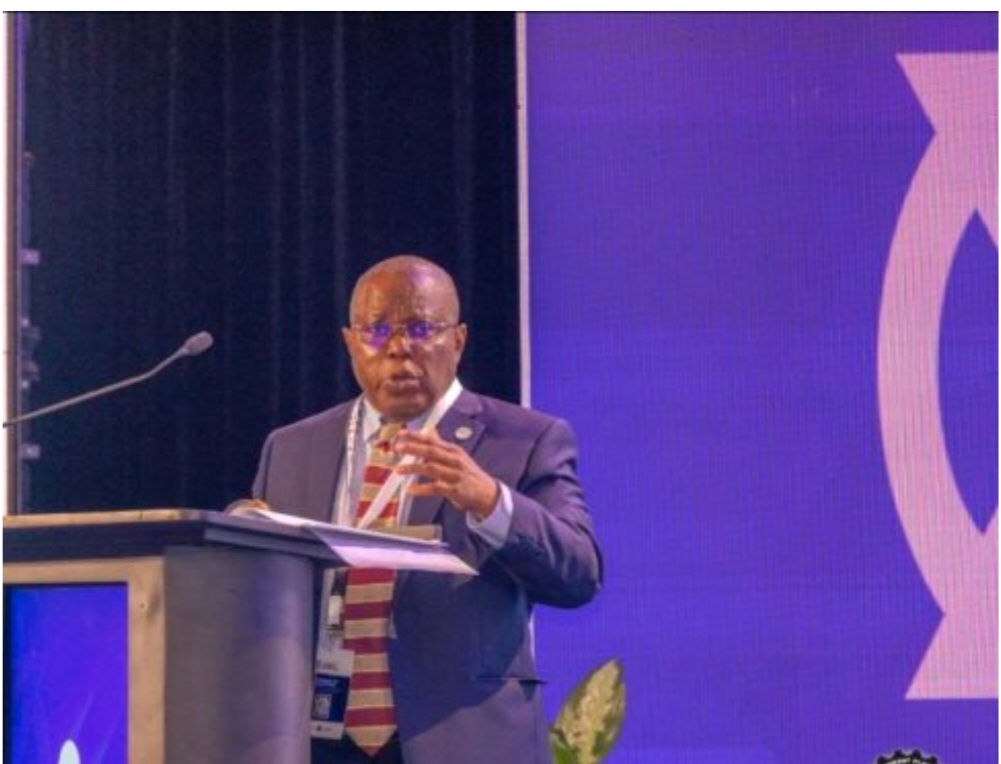
He argued that Ghana’s longstanding reliance on GDP as the primary measure of economic performance often fails to capture improvements in job creation, incomes and living standards.
“Growth without jobs is meaningless. Growth without rising incomes is unsustainable,” he stressed.
Dr. Thompson explained that under the 3D Growth model, economic success would be assessed based on output growth, the quality and quantity of jobs created and improvements in wages.
He warned that economic growth risks becoming disconnected from the realities of ordinary citizens if employment and income generation are not given equal attention.
The NDPC Chairman highlighted structural weaknesses within the economy, noting that while about 92 percent of businesses operate in the informal sector and account for nearly 80 percent of employment, they contribute only about 27 percent of GDP.
He said achieving the objectives of the 3D Growth agenda would require greater focus on productivity, value addition, formalisation and strategic infrastructure development.
Dr. Thompson further called for stronger alignment between national development plans and budgetary allocations, as well as improved accountability and coordination across public institutions.
According to him, Ghana’s next phase of development must be measured not only by economic expansion but also by the number of jobs created, incomes improved and living standards enhanced.
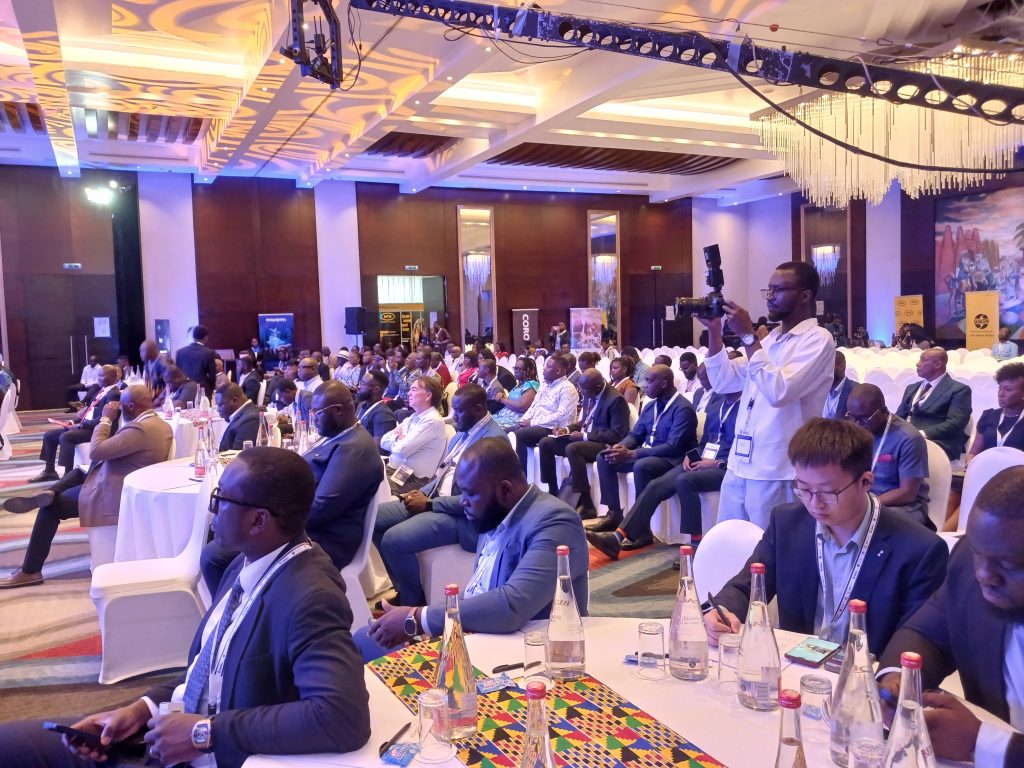
The roundtable brought together senior government officials, business leaders, academics, financiers, development partners and industry experts to explore practical strategies for positioning Africa for global relevance over the next 25 years.