

By Eugene Nyarko Jnr.
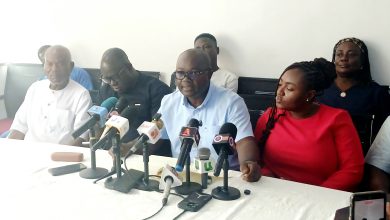
Three civil society organisations—BudgIT Ghana, Integrated Social Development Centre (ISODEC) and Revenue Mobilisation Africa (RMA)—have called on the Government of Ghana to provide comprehensive public disclosure on the implementation of the GH¢30 billion Big Push Infrastructure Programme, warning that inadequate transparency could undermine accountability and public confidence.
In a joint press statement, the organisations urged government to publish detailed information on every project under the programme, including budget allocations, contract awards, procurement methods, financing sources, implementation timelines and periodic progress reports.
According to the CSOs, the Big Push Infrastructure Programme, announced in the 2026 National Budget, represents one of the largest capital expenditure initiatives in Ghana’s recent history. The programme seeks to stimulate economic growth, improve productivity and create jobs through major investments in roads, bridges, ports and logistics corridors while supporting the government’s 24-Hour Economy agenda.
The statement noted that Parliament has approved multi-year commitments for the execution of 33 road projects under the initiative, with most expected to be completed by mid-2027. Among the flagship projects are the Accra-Kumasi Expressway and the Ekye Amanfrom-Adawso Bridge.
The organisations acknowledged that the Ministry of Roads and Highways has published information indicating that contracts awarded in 2025 have led to work commencing on 50 projects covering 1,144 kilometres, while a total of 77 road projects are currently under implementation. These include 54 new projects under the Big Push Programme and 23 ongoing road projects.
However, the CSOs argued that the information released so far remains insufficient.
They stressed that although some road contract details have been made public, there is no comprehensive framework outlining all projects under the programme or explaining how projects were selected, contractors engaged, procurement methods applied, financing structured and implementation monitored.
“The Big Push Programme does have the potential for real development in Ghana, but transparency cannot be replaced with promises,” said Jennifer Addochoe Moffatt, Country Director of BudgIT Ghana.
She added that citizens are entitled to know which projects have been approved, how much funding has been allocated to each project and the timelines for completion, insisting that without such information, there can be no meaningful accountability for the use of public funds.
The organisations further expressed concern over what they described as limited transparency in the implementation of the programme, particularly given Ghana’s history of poor execution of capital expenditure projects.
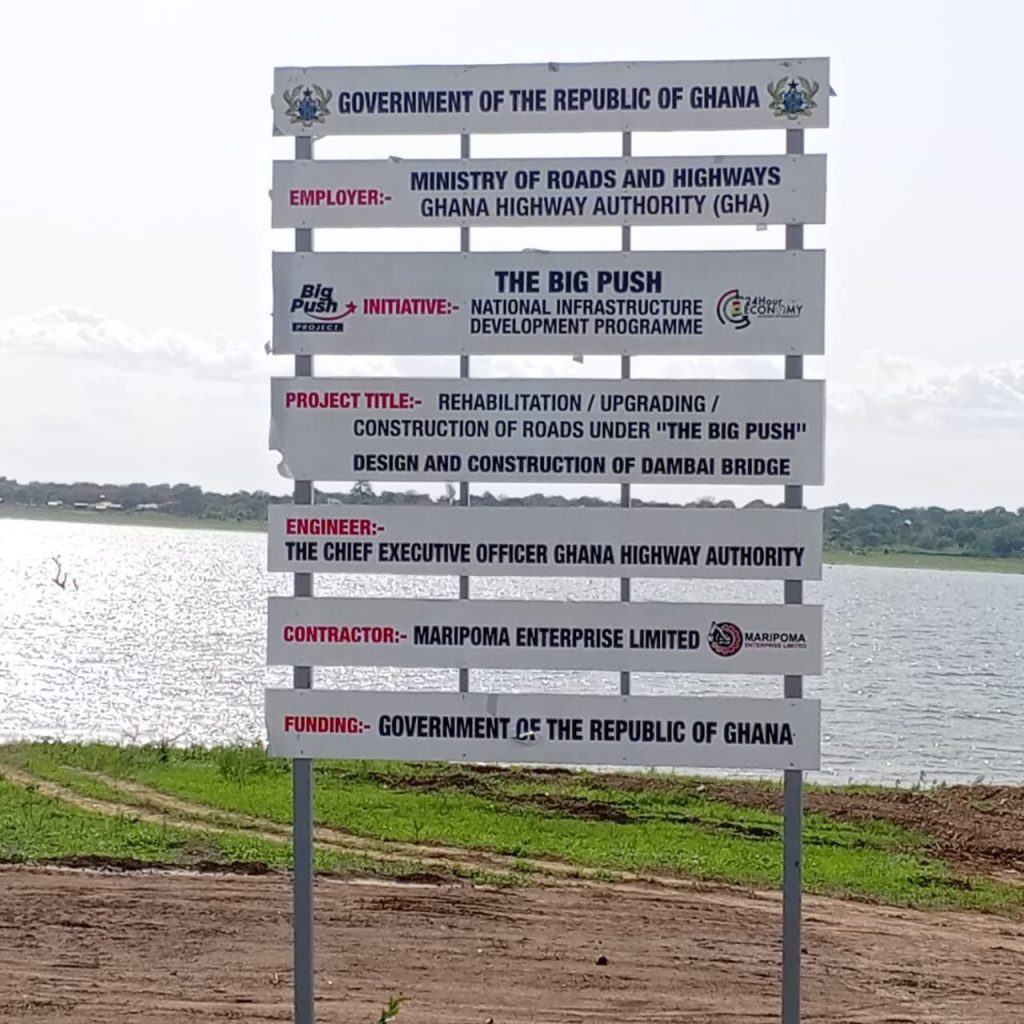
They argued that citizens deserve access to a complete record of commitments from budget approval through procurement, implementation and project completion to enable effective monitoring of value for money.
The statement also questioned the absence of clearly published project commencement and completion dates, saying the lack of timelines makes it difficult for citizens to assess progress or identify delays.
Additionally, the CSOs expressed concern over plans to channel substantial resources from the Annual Budget Funding Amount (ABFA) and other extractive sector revenues into the Big Push Programme without adequate public explanation of the policy rationale and financing arrangements.
To strengthen accountability, the organisations called on the government to establish a publicly accessible and regularly updated Big Push disclosure portal containing comprehensive information on all projects across sectors.
They also urged the publication of project-specific financial data showing budget allocations, funding sources—including oil revenues, mineral royalties, borrowing and public-private partnerships—and expenditure details.
Furthermore, they requested the disclosure of procurement documents, including tender notices, evaluation reports, contractor selection processes, contract values and subsequent contract variations.
The CSOs also appealed for the publication of a comprehensive implementation framework detailing project milestones, delivery targets, responsible ministries and agencies, as well as standard reporting mechanisms for tracking both physical and financial progress.
Finally, they called for quarterly reports to Parliament and the public on capital expenditure execution under the Big Push Programme, supported by financial and procurement documentation in accordance with the Public Financial Management Act, 2016 (Act 921).
The organisations reaffirmed that fiscal transparency is both a democratic obligation and a practical necessity, emphasizing that Ghanaians have a right to know how public taxes and borrowed funds are being utilised.
They also pledged their readiness to work with government, Parliament and development partners to ensure that the Big Push Infrastructure Programme delivers measurable, transparent and equitable development outcomes for the country.