
World Vision Ghana Calls for Diaspora Support to Close Water and Sanitation Gaps at Global Africa Summit

Story by Eugene Nyarko Jnr. l Accra, December 2025
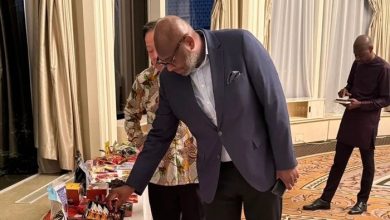
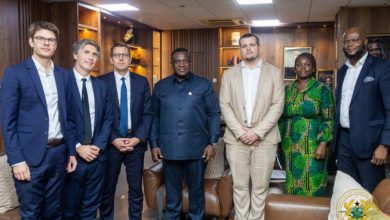
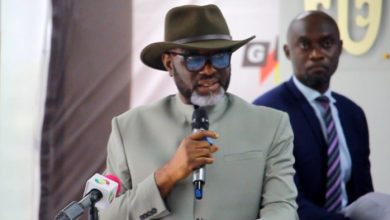
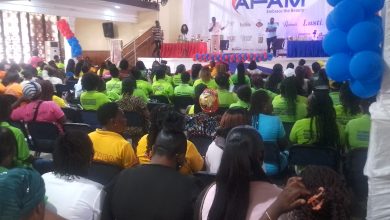
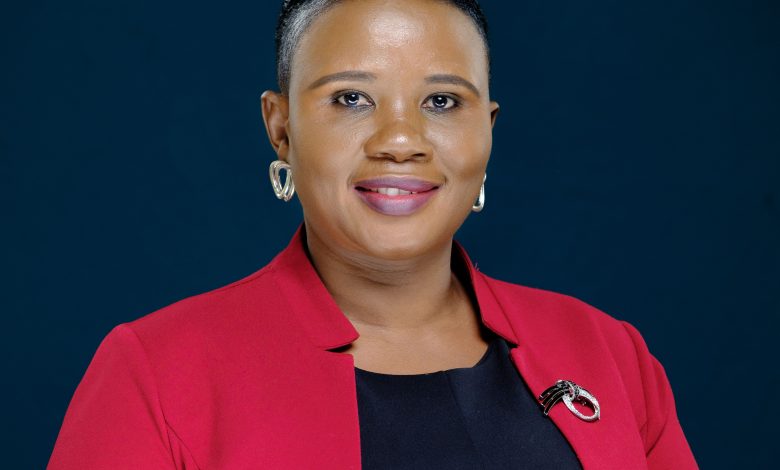
Dr. Tina Tusiime Mukunda, National Director of World Vision Ghana, has issued a powerful call to action to Ghanaians in the diaspora, urging them to partner in addressing the country’s critical Water, Sanitation and Hygiene (WASH) challenges. She delivered the appeal during the Global Africa Summit Accra 2025 Stakeholders Dialogue held at the Alisa Hotel on the theme “Mobilizing the Diaspora: Unlocking Strategic Partnerships for Inclusive Development and Investment.”
Addressing participants, Dr. Mukunda painted a vivid picture of the daily struggles faced by vulnerable children and families due to inadequate access to clean water and sanitation. She emphasized that development and business growth cannot be fully realized if workers and households remain burdened by preventable social and health challenges.
“Every hour a child spends looking for water is an hour stolen from school, an hour stolen from their childhood, and in many cases, an hour that exposes them to abuse or child marriage,” she stressed. “No child should have to choose between education and survival.”
Presenting key national statistics, she noted that while basic water services coverage in rural areas stands at 70%, a significant 30% of the population still lacks access. Household toilet coverage remains at 59.9%, meaning 40% of households lack proper sanitation, with 18% having no toilet facilities at all—fueling widespread open defecation. In rural communities, open defecation soars to 31%.
Schools are also severely affected. An estimated 26% lack adequate toilets and basic sanitation facilities, disrupting learning and undermining the dignity and safety of students, especially girls. These gaps, she said, contribute heavily to absenteeism, poor academic performance, and the over one million children currently out of school.
Dr. Mukunda highlighted World Vision Ghana’s extensive footprint in addressing such challenges. Operating in 14 of the country’s 16 regions, the organisation has, over 49 years, provided life-changing interventions to more than 3.3 million people. Their work spans WASH, education, health, livelihoods, climate resilience, and child protection.
She underscored that Ghana has immense potential to develop thriving agribusiness value chains, expand renewable energy, improve last-mile healthcare delivery, and build technology-driven markets—if foundational needs such as water and sanitation are secured.
“This is not charity. This is nation-building. This is economic transformation. This is impact investment with measurable, life-changing returns,” she said, calling on the diaspora to collaborate in building water systems, supporting climate-resilient agriculture, expanding renewable energy, and strengthening digital and physical infrastructure.
Dr. Mukunda concluded by urging Ghanaians everywhere to contribute to a future where prosperity is shared and no child walks miles for water.
“The Ghana we dream of is within reach—Ghana built by Ghanaians,” she affirmed. “Let us act now and unlock the strategic partnerships that will shape the next generation.”