
Story by Eugene Nyarko Jnr. l Accra l Ghana
The Minister for Trade, Agribusiness and Industry, Hon. Elizabeth Ofosu-Adjare (MP), has called for bold, well-coordinated and innovatively financed industrial policies to drive Africa’s transformation from a raw-material supplier into a global industrial powerhouse.
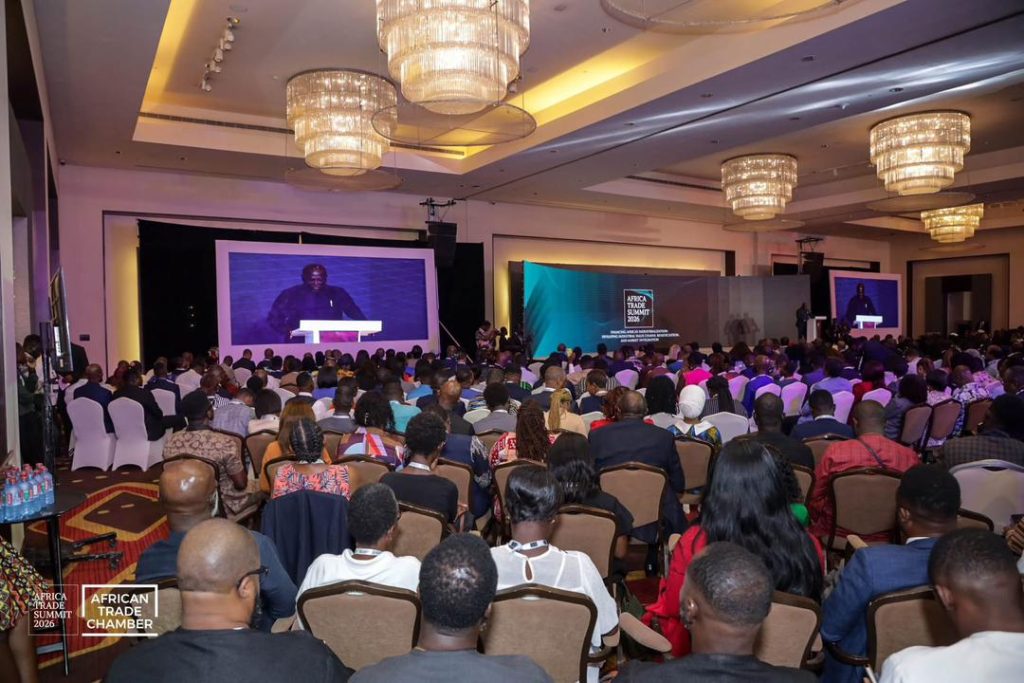
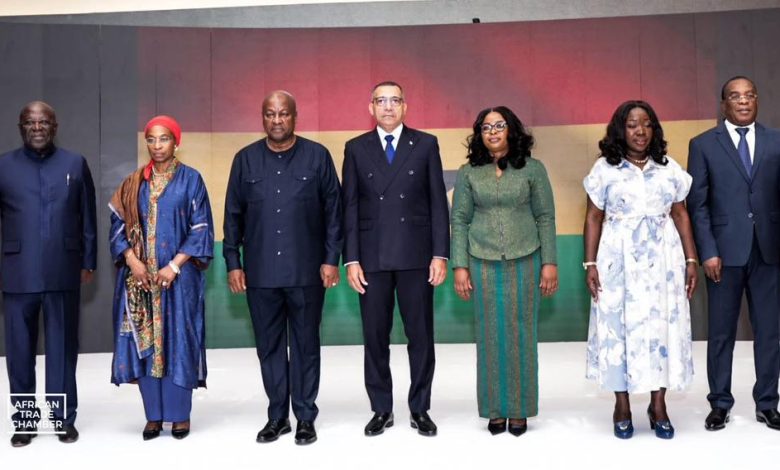
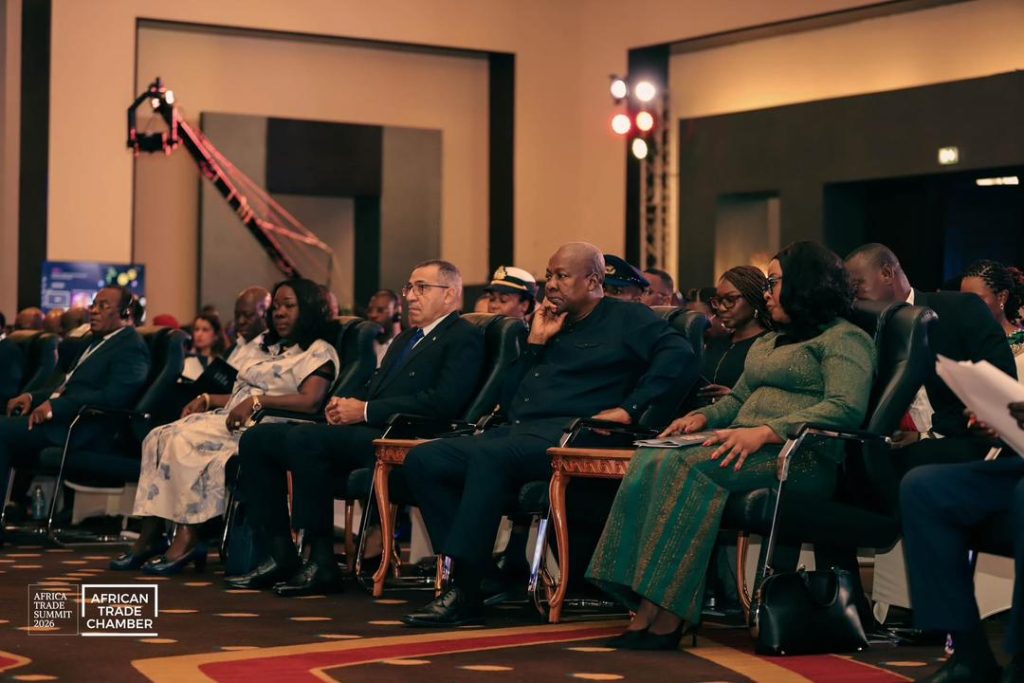
Delivering an address at the Africa Trade Summit 2026 held at the Kempinski Gold Coast City Hotel in Accra, the Minister said Africa stood at a defining moment, where the decisions taken today would shape the continent’s industrial future for decades to come. The summit was attended by President of the Republic, H.E. John Dramani Mahama, distinguished Heads of State, ministers, captains of industry, development partners and trade experts from across the continent and beyond.
According to Hon. Ofosu-Adjare, global industrial policy has undergone a major shift since 2020, with countries aggressively financing strategic sectors to protect supply chains, enhance national security and achieve strategic autonomy. Citing data from the IMF’s Historical New Industrial Policy Observatory, she noted that between 2009 and 2023, more than 34,000 industrial policy interventions were implemented globally, largely driven by subsidies.
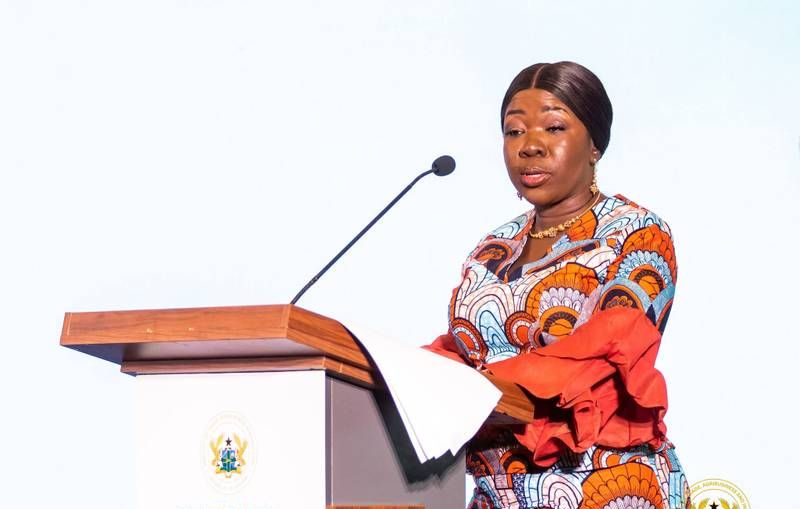
“The message is clear: industrial policy is back, and it is being financed aggressively,” she said, adding that Africa’s challenge was not whether to pursue industrial policy, but how to finance it effectively amid limited fiscal space and growing global protectionism.
The Minister outlined key lessons from advanced economies, including the use of blended financing models that combine public funds with private investment, targeted support for strategic sectors, value-chain-focused interventions, and localization policies that strengthen domestic and regional supply chains.
Against this backdrop, she said Ghana has adopted a deliberate strategy of sector-specific industrial policies backed by innovative financing structures. The country has moved away from generic support to focused interventions in sectors where it has comparative and competitive advantages.
She highlighted textiles and garments as a priority sector due to its high employment potential, access to regional and international markets under AfCFTA, AGOA and the EU Economic Partnership Agreement, and strong value-chain integration prospects built on high-quality regional cotton production. She commended companies such as DTRT Apparel and UNIJAY for driving scalable garment manufacturing capacity in Ghana.
In the automotive sector, Hon. Ofosu-Adjare noted that Ghana’s Automotive Development Policy has already attracted over US$100 million in foreign direct investment. However, she stressed the need to move beyond vehicle assembly to the local production of components, particularly as the global industry transitions towards electric vehicles. She said Ghana is positioning itself as a regional hub for automotive components within ECOWAS and the AfCFTA market.
The pharmaceutical sector, she said, is another strategic focus area, driven by both health security and economic opportunity. With Africa currently importing over 70 per cent of its pharmaceutical needs, valued at US$14 billion and projected to reach US$40 billion by 2030, Ghana aims to expand local manufacturing, especially in Active Pharmaceutical Ingredients (APIs) and advanced production.
The Minister emphasized the role of institutions such as Afreximbank, the African Development Bank and the Trade and Development Bank in financing industrial projects through blended and de-risked financing models. She also called on governments to support industrialisation with stable macroeconomic policies, predictable regulation and efficient trade facilitation.
Addressing concerns about the affordability of subsidies, Hon. Ofosu-Adjare said Africa must be strategic, using limited public funds to leverage significant private capital. She further underscored the importance of coordination under the AfCFTA framework to avoid unhealthy competition and duplication of industrial policies across countries.
In her conclusion, the Minister asserted that Africa has both the right and responsibility to finance its own industrialisation. “The future of African industrialisation will not be financed by waiting for aid, but by intentional policy, strategic partnerships and the determination to transform our resources into prosperity for our people,” she said.
She reaffirmed Ghana’s commitment to leading by example, demonstrating that even with limited resources, African countries can successfully finance industrial transformation through smart policy choices and strong partnerships.