
Story by Eugene Nyarko Jnr. I NDPC, Accra I Thursday, July 16, 2026
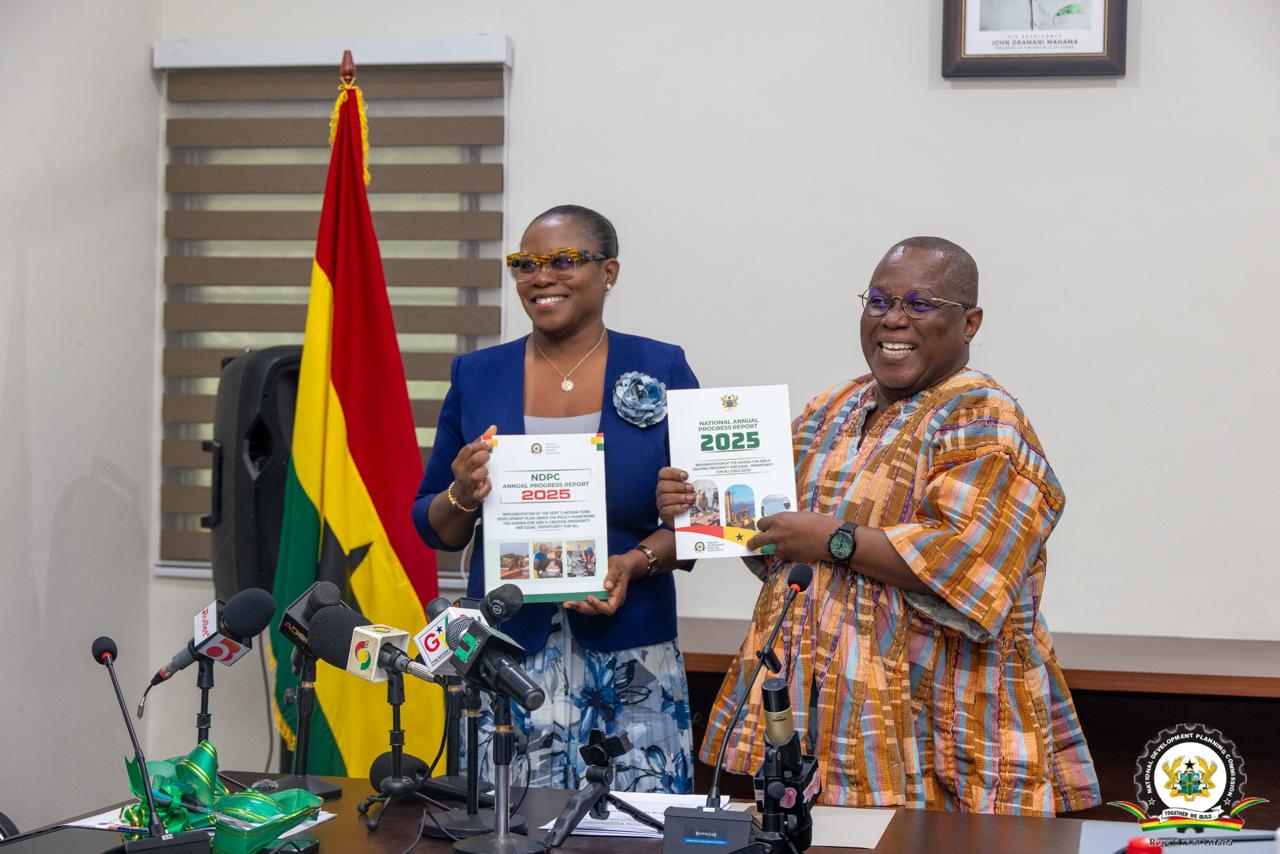
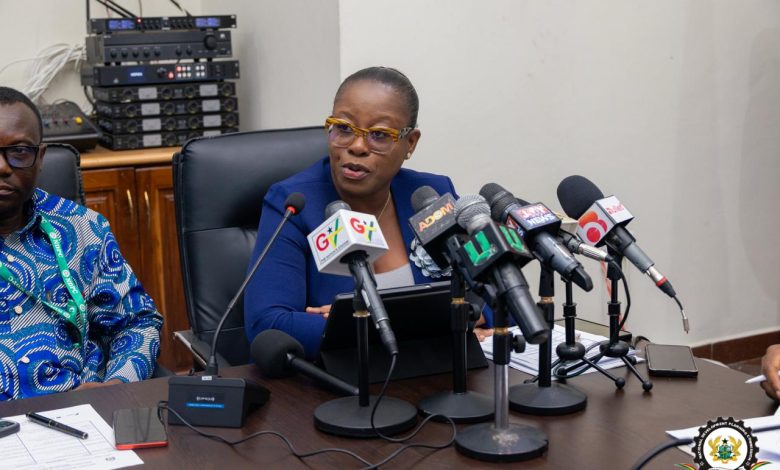
The Director-General of the National Development Planning Commission (NDPC), Dr. Audrey Smock Amoah, has explained the rigorous process used in preparing the Commission’s 2025 National Annual Progress Report (APR), stressing the importance of ensuring that development evidence is properly understood before it enters the public domain.
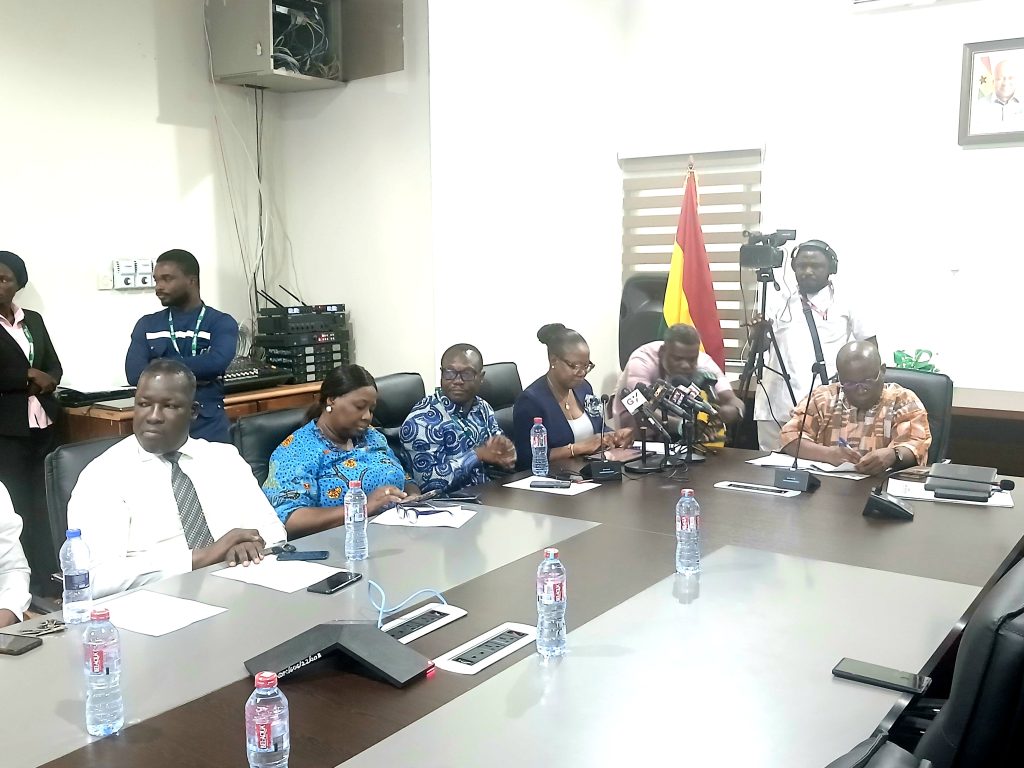
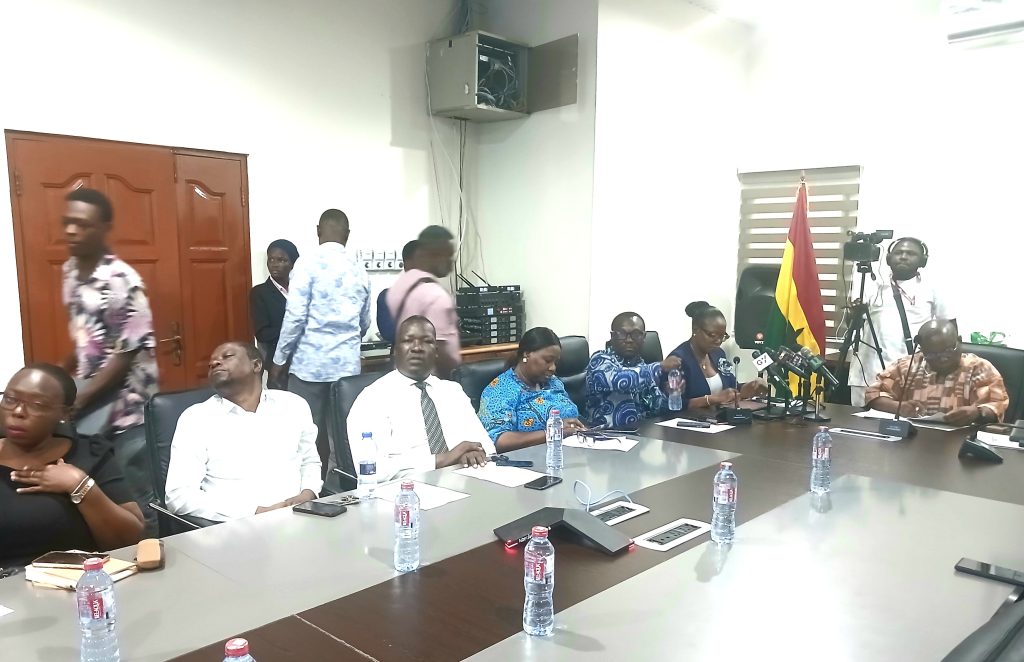
She made the remarks at a media engagement and official launch of the 2025 National Annual Progress Report at the NDPC’s Main Conference Room in Accra on Thursday, July 16, 2026.
According to Dr. Amoah, the purpose of the media engagement was to provide journalists, editors, reporters, analysts and other stakeholders with a clear understanding of the contents of the report.
She said although the report had already been published on the Commission’s website, the NDPC believed that development evidence should not simply be published but must also be properly understood.
Dr. Amoah explained that national development reports often contained complex information that could easily be misunderstood when statistics were presented without adequate explanation or context.
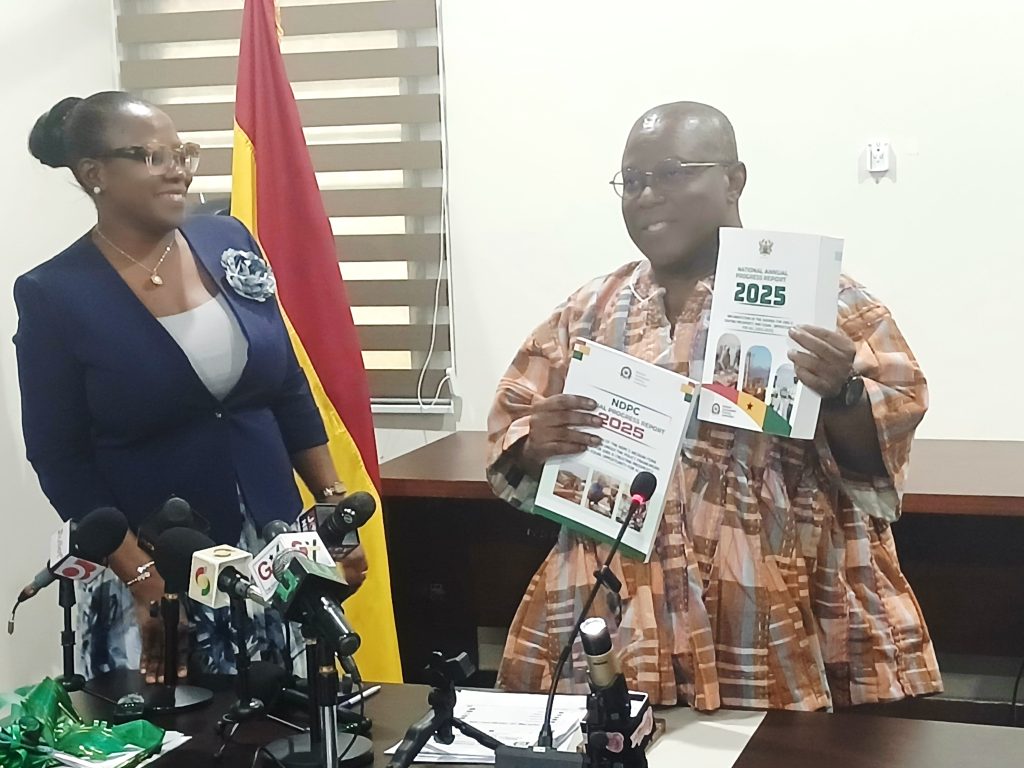
She said the Commission’s objective was therefore to ensure that reporting on Ghana’s development performance was factual, balanced and grounded in a proper understanding of the evidence.
The Director-General said the report was the product of nationwide monitoring and evaluation exercises coordinated by the NDPC.
She explained that the report drew on annual progress reports submitted by ministries, departments and agencies, metropolitan, municipal and district assemblies, as well as regional coordinating councils.
These reports, she said, were complemented by official data from national institutions responsible for the production of statistics and administrative data.
Dr. Amoah said the Commission subsequently undertook a rigorous process of verification, validation, analysis and synthesis to produce the national assessment.
She noted that every dataset was examined for consistency and completeness, while emerging trends were analysed and performance assessed against agreed indicators and targets.
She added that the findings were subjected to technical reviews by cross-sectoral planning groups in accordance with Legislative Instrument 2402 before the report was finalised.
The document was subsequently approved by the Commission, whose membership, she said, cut across Ghana’s 16 regions and included selected ministers, academics, subject-matter experts and representatives of professional bodies.
Dr. Amoah said the 2025 National Annual Progress Report was a comprehensive national assessment covering multiple sectors, hundreds of indicators and a wide range of development interventions.
She explained that many of the indicators required proper interpretation within the broader policy context, while others needed to be considered alongside related indicators before meaningful conclusions could be drawn.
She said the technical presentation of the report would focus on findings across various development dimensions, key implementation achievements, emerging challenges, lessons learned and recommendations for strengthening policy implementation.
Dr. Amoah stressed that the media engagement was not merely about presenting a report but about promoting understanding, strengthening the use of evidence in public discourse and ensuring that discussions on Ghana’s development were informed by facts rather than speculation.
She called for continued media support in promoting accurate, balanced and responsible reporting of the findings contained in the 2025 National Annual Progress Report.