

Story by Eugene Nyarko Jnr. l Accra l Monday, November 2, 2026 —
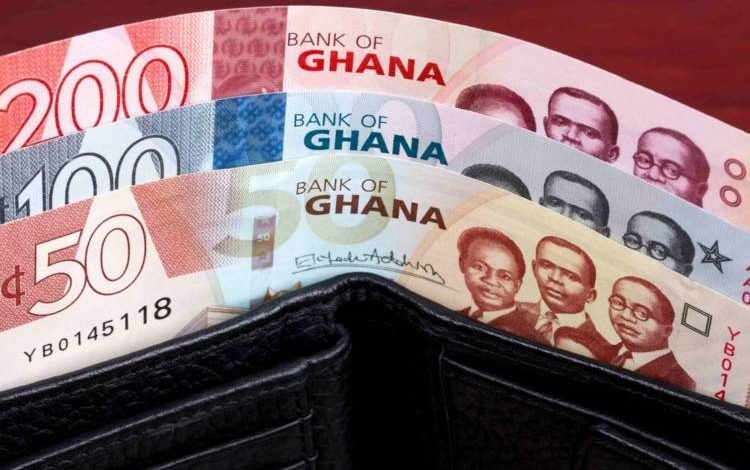
Ghana’s cedi has ranked as the fourth-highest-valued currency in Africa against the United States dollar in October 2026, placing the country among the continent’s top five currencies by nominal exchange rate.
The ranking, based on figures attributed to the Forbes currency calculator and reported in October currency rankings, places Tunisia’s dinar first, followed by Libya’s dinar and Morocco’s dirham. Ghana’s cedi occupies fourth position, while Botswana’s pula completes the top five. https://radarafrica.com/business/strongest-currencies-africa-october-2026/
According to the reported figures, one US dollar exchanged for approximately 2.98 Tunisian dinars, 6.39 Libyan dinars, 9.81 Moroccan dirhams, 11.58 Ghanaian cedis and 13.76 Botswana pula.
The top five currencies are ranked as follows:
- Tunisia — Tunisian Dinar (TND): 2.98 per US dollar.
- Libya — Libyan Dinar (LYD): 6.39 per US dollar.
- Morocco — Moroccan Dirham (MAD): 9.81 per US dollar.
- Ghana — Ghanaian Cedi (GHS): 11.58 per US dollar.
- Botswana — Botswana Pula (BWP): 13.76 per US dollar.
Ghana’s position places the cedi among Africa’s highest-valued currencies by this particular measure, making it the only West African currency featured in the reported top five.
The ranking compares the number of local currency units required to purchase one US dollar. A lower figure means that one unit of the local currency has a higher nominal value against the dollar.
However, a currency’s nominal exchange-rate value does not necessarily indicate the overall strength of its economy. Factors such as inflation, purchasing power, foreign-exchange availability, monetary policy and currency convertibility also influence economic performance.
Exchange rates also fluctuate, meaning the figures represent a snapshot rather than fixed or permanent values.
Ghana’s fourth-place ranking should therefore be understood as a comparison of nominal currency values against the US dollar, rather than a definitive measure of the country’s economic strength or living standards.