
NDPC Launches 2024 National Progress Report: Ghana Records Gains Amid Structural Challenges

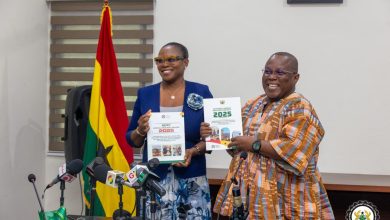
Accra, October 13, 2025 — The National Development Planning Commission (NDPC) has officially launched the 2024 National Annual Progress Report (APR) on the implementation of the Agenda for Jobs II (2022–2025), providing a comprehensive assessment of Ghana’s development trajectory across economic, social, environmental, and governance dimensions.
The report, launched in Accra on Monday, outlines key achievements, persistent challenges, and policy recommendations guiding the nation’s pursuit of inclusive and sustainable development.
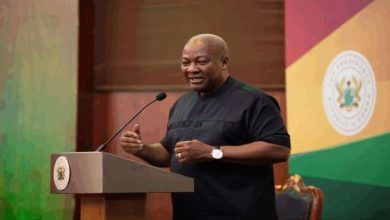
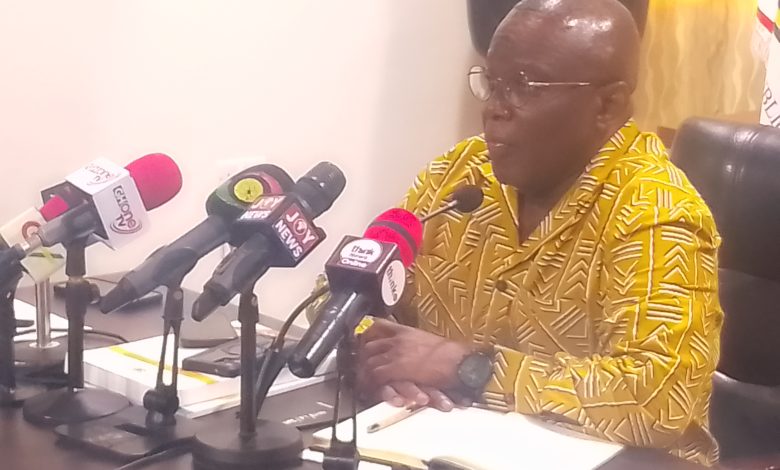
Delivering the opening remarks, the Presidential Advisor on SDGs and Chairman of the NDPC, Dr. Nii Moi Thompson, described the APR as “the most reliable and comprehensive source of data for assessing government performance,” urging journalists to rely on it over political manifestos.
He emphasized the NDPC’s critical role in monitoring, evaluating, and coordinating national development efforts, while calling on the media to “translate evidence into advocacy, correct misinformation, and mobilize support for priority actions.” This, he noted, would reinforce the Commission’s commitment to transparent and evidence-based national development.
According to the 2024 APR, Ghana’s economy showed resilience during the review period, marked by improved monetary stability, fiscal performance, and external trade. Inflation eased, the cedi’s depreciation slowed, and the trade balance recorded a surplus of USD 4.98 billion, largely driven by increased gold exports. Growth in the services, agriculture, and extractive sectors also remained robust, with Ghana maintaining its position as Africa’s leading gold producer.
However, the report cautioned that persistent structural weaknesses—including low domestic revenue mobilisation, high public debt, and limited industrial diversification—continue to threaten sustainable and inclusive growth.
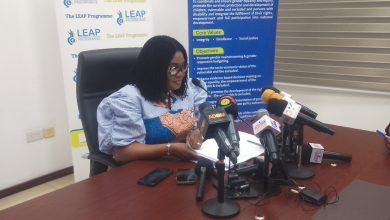
On the social and governance front, the APR highlighted progress in education, healthcare, and social protection programmes such as the Livelihood Empowerment Against Poverty (LEAP) and the School Feeding Programme. Efforts to promote gender equality and strengthen local governance were also noted, alongside improvements in transparency and accountability through greater inter-agency collaboration among anti-corruption bodies.
Nonetheless, challenges remain in addressing youth unemployment, improving service delivery, and reducing corruption.
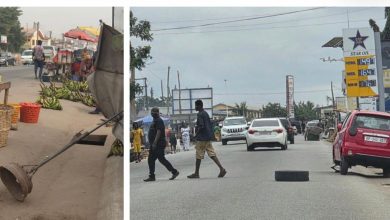
In infrastructure and environmental development, notable gains were made in road construction, energy access, and digital connectivity. Yet, the report flagged ongoing issues of poor infrastructure maintenance, housing deficits, and environmental degradation.
The NDPC called for stronger governance frameworks, stricter enforcement, and enhanced climate adaptation strategies to consolidate progress and safeguard the country’s development gains.
The 2024 National Annual Progress Report underscores Ghana’s steady progress despite global and domestic pressures, while reaffirming the need for sustained policy reforms and inclusive growth strategies.
Story by Eugene Nyarko Jnr .