
Story by Eugene Nyarko Jnr. l Movenpick Hotel, Accra l Sunday, September 20, 2026 —
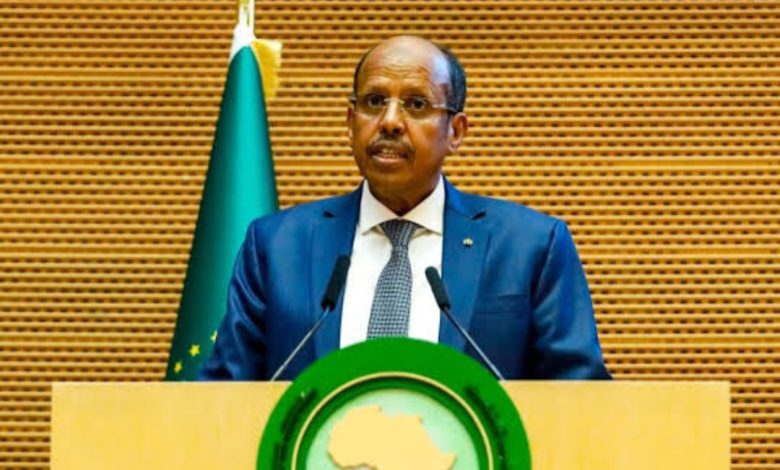
The Chairperson of the African Union Commission (AUC), H.E. Mahmoud Ali Youssouf, has called for a decisive shift in Africa’s economic strategy from the export of raw materials to industrial transformation and value addition.
He said Africa must move “from market access to market power” by developing strong continental value chains capable of transforming the continent’s abundant natural resources into wealth, jobs and sustainable economic opportunities for its people.
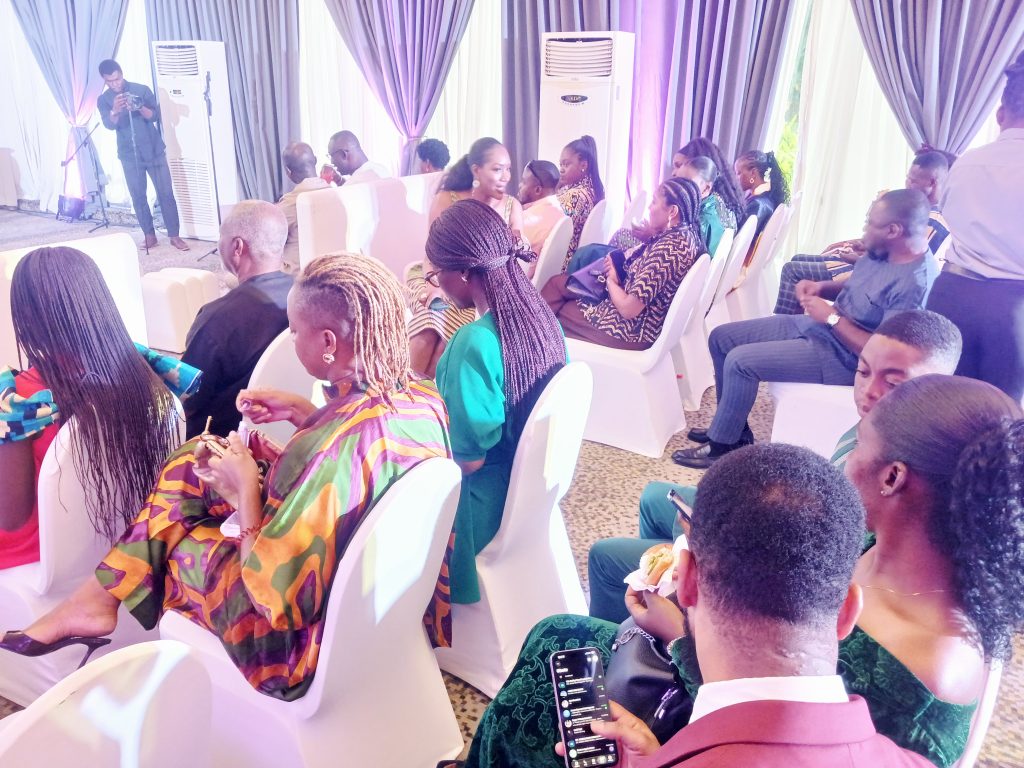
Speaking during the Presidential and Distinguished Leaders’ Statements at the Unstoppable Africa 2026 programme, which was streamed to an Executive Networking Cocktail in Accra, H.E. Youssouf said Africa had enormous economic opportunities but required greater investment, infrastructure, skills, technology and access to capital to unlock its potential.
He said the continent, with a population of about 1.5 billion people, abundant arable land, water and mineral resources, had the ingredients required to become a major global economic force.
“The question is, how fast can we transform our continent?” he asked.
According to him, although African countries were making progress in reducing barriers to trade through the African Continental Free Trade Area (AfCFTA), more needed to be done to develop integrated African value chains.
He identified affordable and abundant energy, quality infrastructure, access to capital markets, skills, technology, standards and certification as essential requirements for Africa’s industrial transformation.
“Africa needs investments. These investments are necessary in order to build quality infrastructure,” he said, stressing that connectivity remained critical to improving trade and capital flows across the continent.
H.E. Youssouf also identified peace and stability as prerequisites for sustainable economic development, saying the African Union had placed prevention, peacebuilding, mediation and post-conflict reconstruction high on its agenda.
He said the transformation of Africa’s economies should ultimately enable the continent to retain more value from its resources and create greater opportunities for its populations.
Africa’s $3 trillion opportunity
The United Nations Secretary-General, H.E. António Guterres, for his part, said Africa’s future must be shaped by Africans, pointing to the continent’s growing labour force, mineral resources, renewable-energy potential and entrepreneurial base.
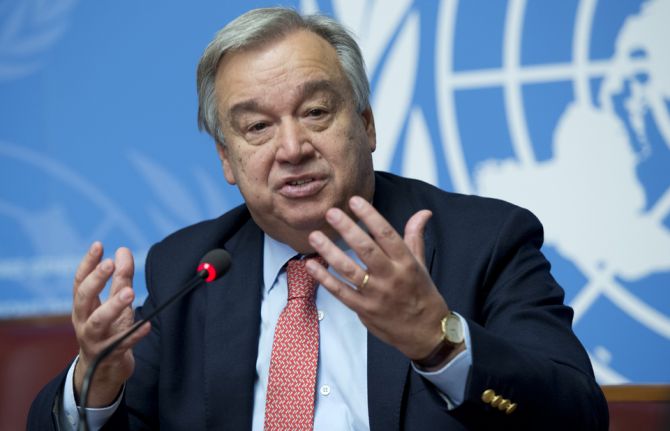
He said Africa represented a US$3 trillion market opportunity and that global perceptions were increasingly shifting from “doing business in Africa” to “doing business with Africa”.
He said the fifth annual gathering of Unstoppable Africa was therefore focused not merely on Africa’s potential but on converting that potential into investment, partnerships and tangible economic progress.
H.E. Guterres cited developments in renewable energy, technology, entertainment and financial technology as indications of Africa’s expanding economic role.
He said Africa’s fintech sector had become a major attraction for investment capital and noted that trade under the AfCFTA was projected to reach US$230 billion in 2026.
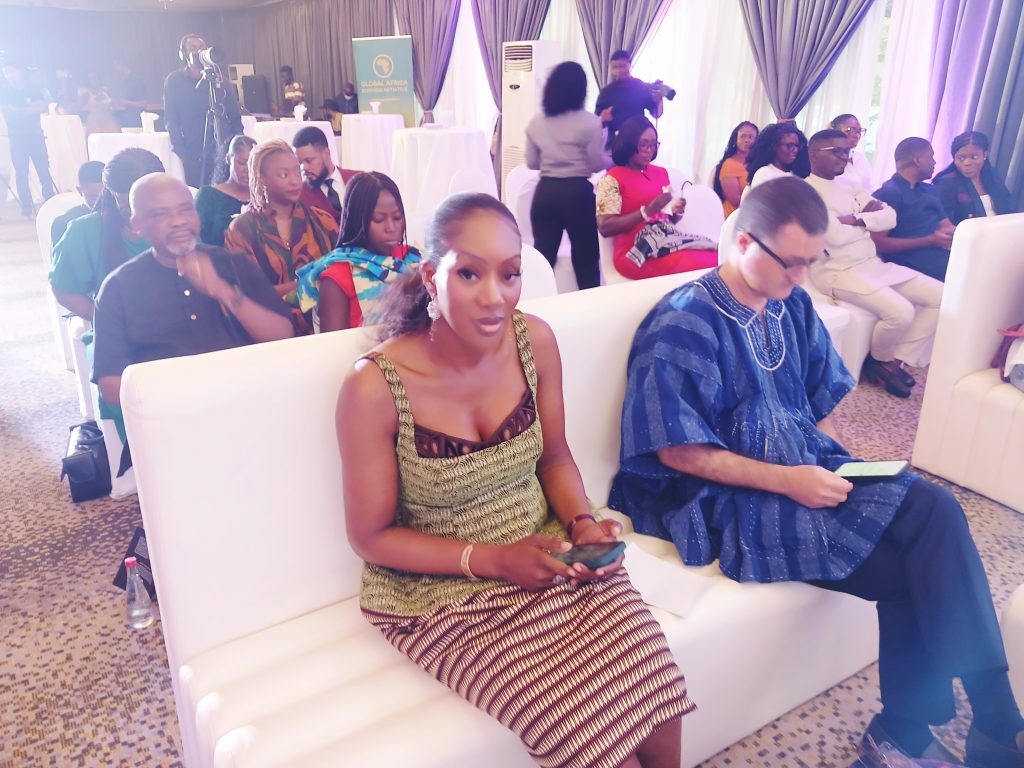
The UN Secretary-General, however, said Africa continued to face significant headwinds, including unpredictable tariffs, competition over critical minerals and disruptions to global supply chains arising from conflicts.
He said the challenges also presented an opportunity for African countries to diversify their economies, expand local industries and accelerate the transition to clean energy.
Call for financial architecture reforms
H.E. Guterres further called for reforms to the international financial architecture to make it more responsive to the needs of developing countries, particularly those in Africa.
He advocated stronger multilateral development banks capable of mobilising more concessional funding for Africa while also attracting significantly higher levels of private investment to the continent.
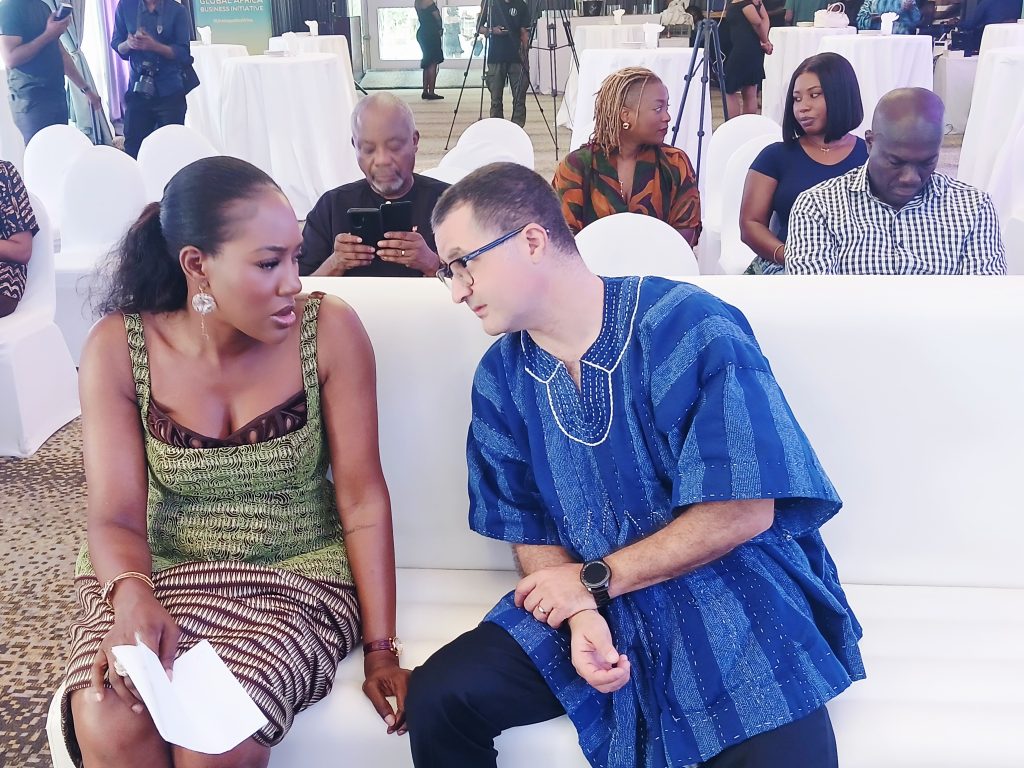
He also called for Africa’s natural resources, particularly critical minerals, to generate local value and decent jobs instead of being exported largely in raw form.
He urged greater investment in women and young people, as well as increased climate financing for mitigation and adaptation.
“There can be no prosperity without political stability and no sustainable development without peace,” he said, while calling for greater African ownership of conflict-resolution efforts.
H.E. Guterres also reiterated the call for Africa to have permanent representation on the United Nations Security Council, arguing that the continent’s presence and interests were not adequately reflected in existing global institutions.
“A rising Africa is a rising world,” he said.
Sustainability a competitive advantage
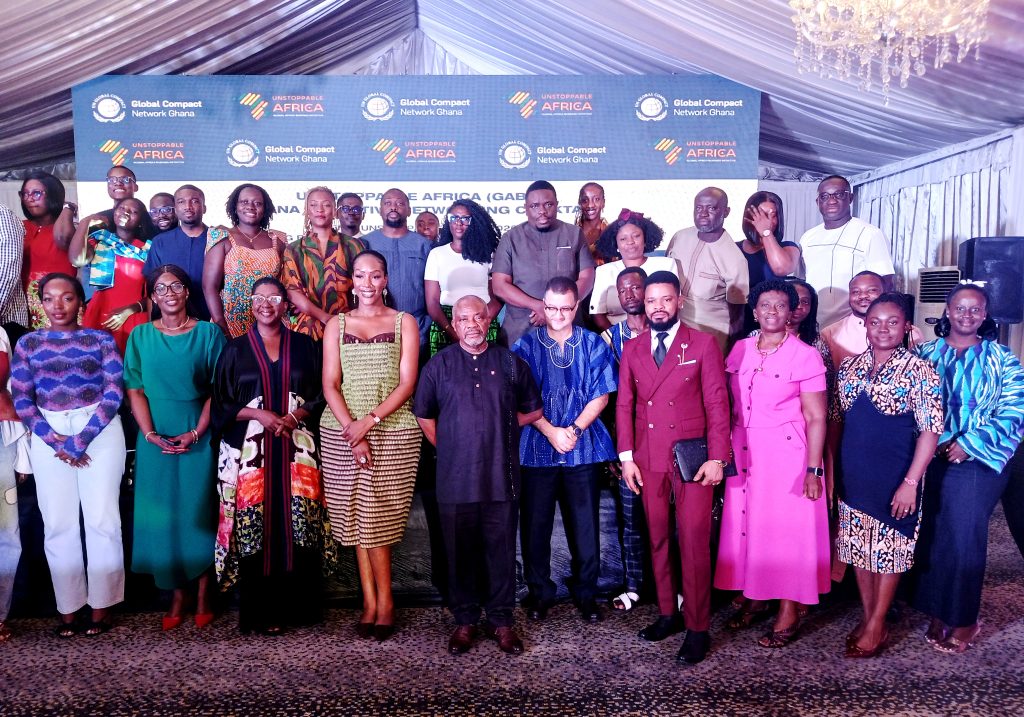
Earlier, Board Member of the UN Global Compact Network Ghana, Adaku Ufere-Awoonor, said the Unstoppable Africa gathering offered Ghanaian businesses an opportunity to connect global conversations with practical opportunities at home.
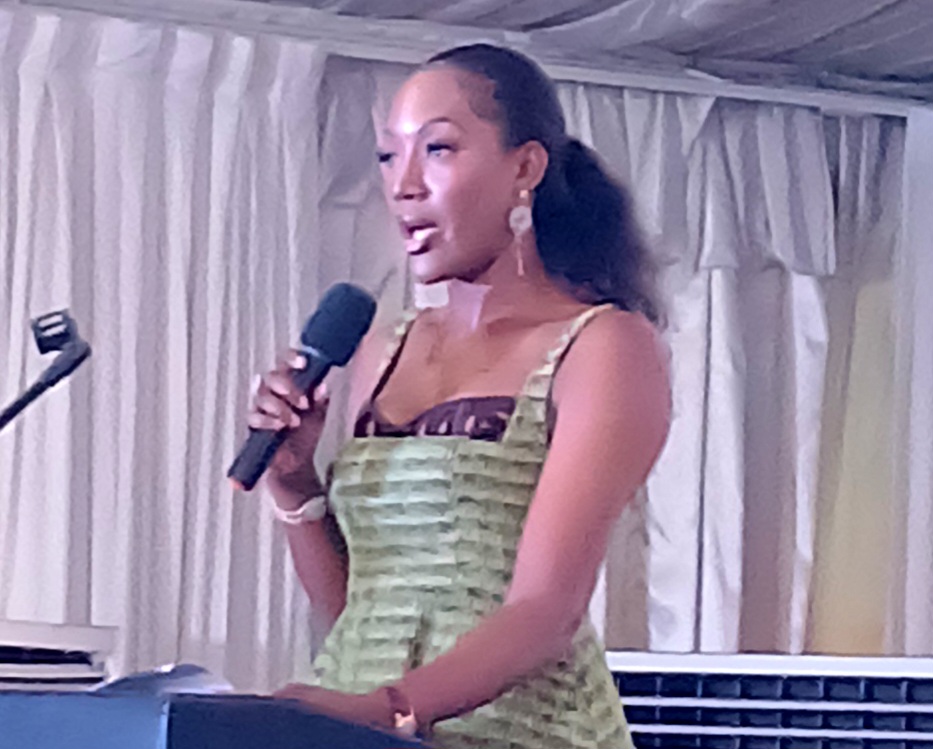
She said Africa should no longer be viewed primarily as a recipient of aid but as an economic powerhouse and a destination for business, innovation and sustainable investment.
Ms Ufere-Awoonor said the real impact of high-level discussions depended on their translation into investments, businesses, jobs and partnerships on the ground.
She said sustainability and responsible business practices should not be regarded merely as compliance requirements but as part of Ghana’s competitive advantage.
According to her, companies that incorporated sustainability into their operations would be better positioned to attract capital, withstand economic shocks and participate in Africa’s next phase of growth.
She encouraged participants at the networking cocktail to use the opportunity not only to follow the proceedings from New York but also to establish local relationships and cross-sector partnerships.
“The deals and the collaborations that outlast the cocktail hour tend to begin with a single conversation,” she said.
She subsequently declared the Unstoppable Africa Executive Networking Cocktail formally open.
UN Global Compact seeks stronger collaboration
The Executive Director of the UN Global Compact Network Ghana, Tolu Kweku Lacroix, said the initiative was seeking to bring together investors, businesses, entrepreneurs and young people to explore opportunities for Africa’s future.
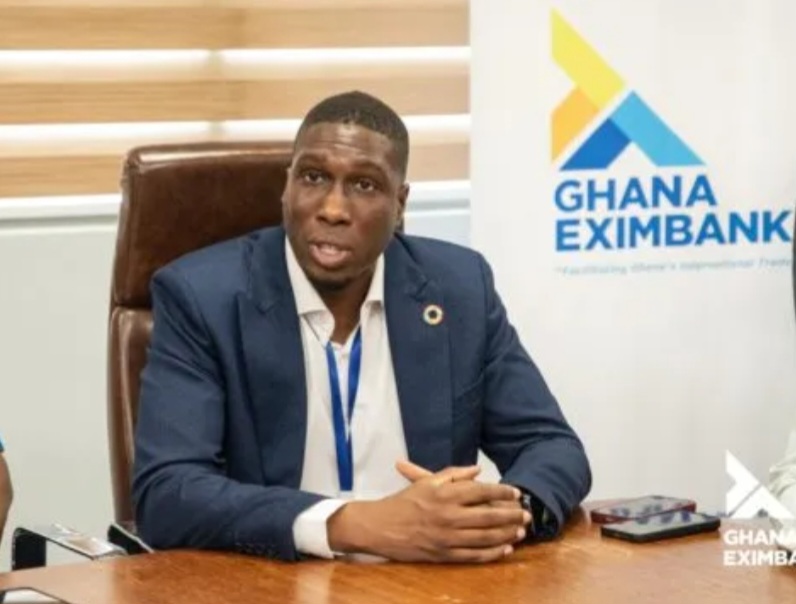
He said the UN Global Compact, which he described as the world’s largest sustainability initiative, was providing a platform for different stakeholders to collaborate towards sustainable development.
Mr Lacroix said the Accra watch party provided participants with an opportunity to follow the proceedings in New York while reflecting on how their businesses could connect to the broader sustainability and development agenda.
He expressed optimism that the engagement would lead to stronger collaboration within the network and help translate opportunities identified during Unstoppable Africa into practical initiatives in Ghana and across the continent.
The Executive Networking Cocktail, held at the Movenpick Ambassador Hotel in Accra on Sunday, September 20, formed part of activities surrounding Unstoppable Africa 2026, organised under the theme: “Powering Business, Scaling Economies, Shaping the Future.”