
Story by Eugene Nyarko Jnr. l GIMPA, Accra l Tuesday, April 14, 2026 —
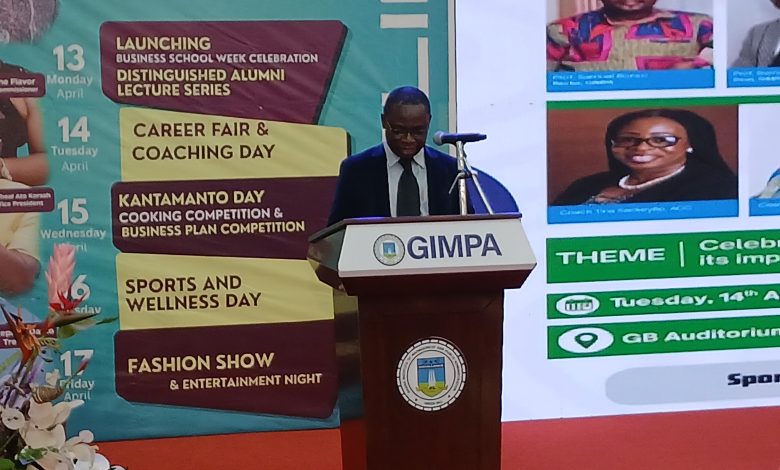
The Dean of the GIMPA Business School, Professor Bernard Obeng-Acquah, has underscored the critical role of coaching in developing future leaders, particularly in an era increasingly shaped by artificial intelligence (AI).
Speaking at the Pre-International Coaching Week (ICW) 2026 Campus Coaching Seminar during the GIMPA Business School Students Week celebration in Accra, Prof. Obeng-Acquah noted that while AI continues to transform business operations, coaching remains essential in nurturing uniquely human capabilities.
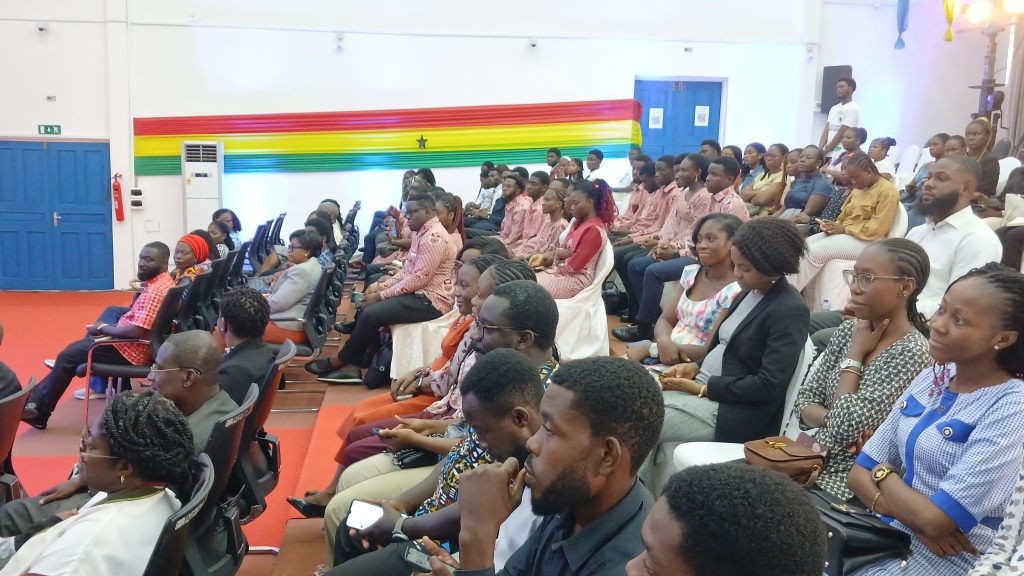
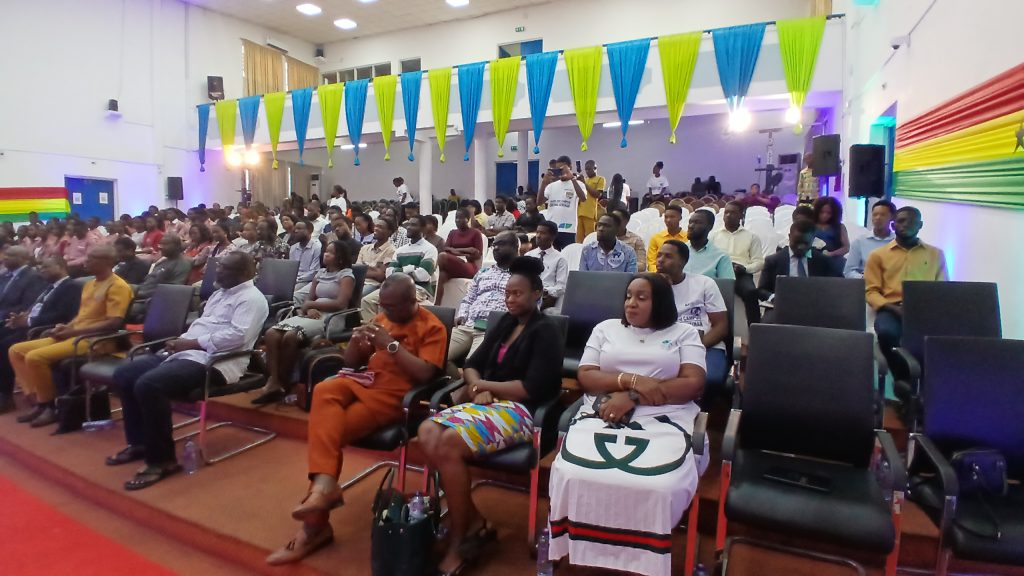
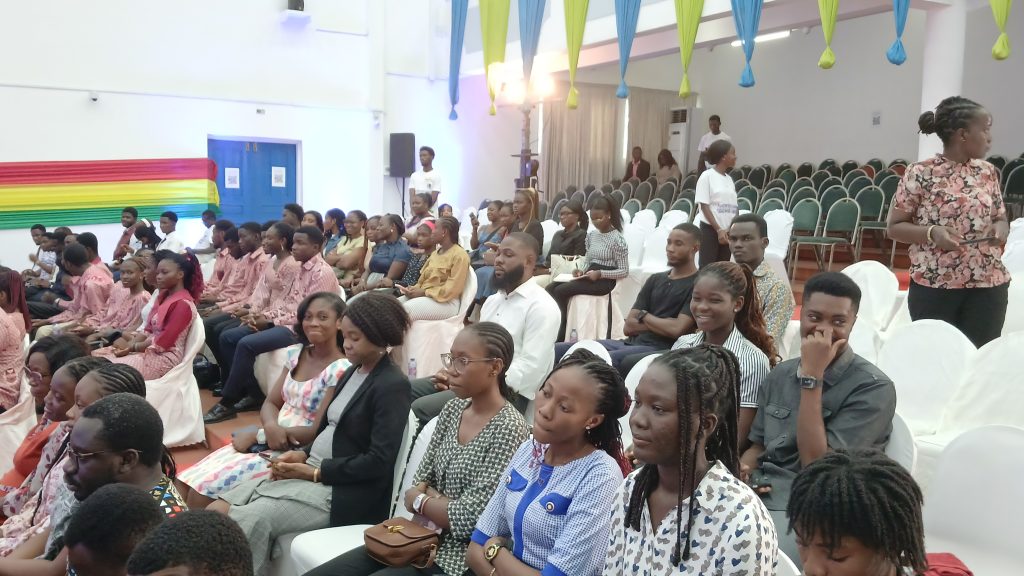
The seminar, held at the GB Auditorium on the Green Hill Campus of the Ghana Institute of Management and Public Administration (GIMPA), was on the theme: “Celebrating the Power of Coaching and Exploring Its Impact on Personal and Professional Growth.”
According to the Dean, business schools must integrate AI into their curricula to remain relevant, stressing that “whether we like it or not, AI is here to stay.” However, he emphasized that coaching plays a complementary role by developing critical thinking, ethical judgment, creativity, emotional intelligence and adaptive leadership—skills technology cannot replace.
“AI will give us the data, but coaching teaches us what to do when the data disagrees with reality,” he stated.
Prof. Obeng-Acquah described coaching as a “bridge between knowledge and transformation,” adding that it is no longer a luxury but a necessity in management education. He reaffirmed the Business School’s commitment to strengthening its partnership with the International Coaching Federation (ICF) Ghana Chapter to build coaching capacity among faculty, staff and students.
He expressed gratitude to the President of ICF Ghana, Mr. Scofray Nana Yaw Yeboah, as well as organisers and collaborators for making the event possible, urging participants to actively embrace and practice coaching.
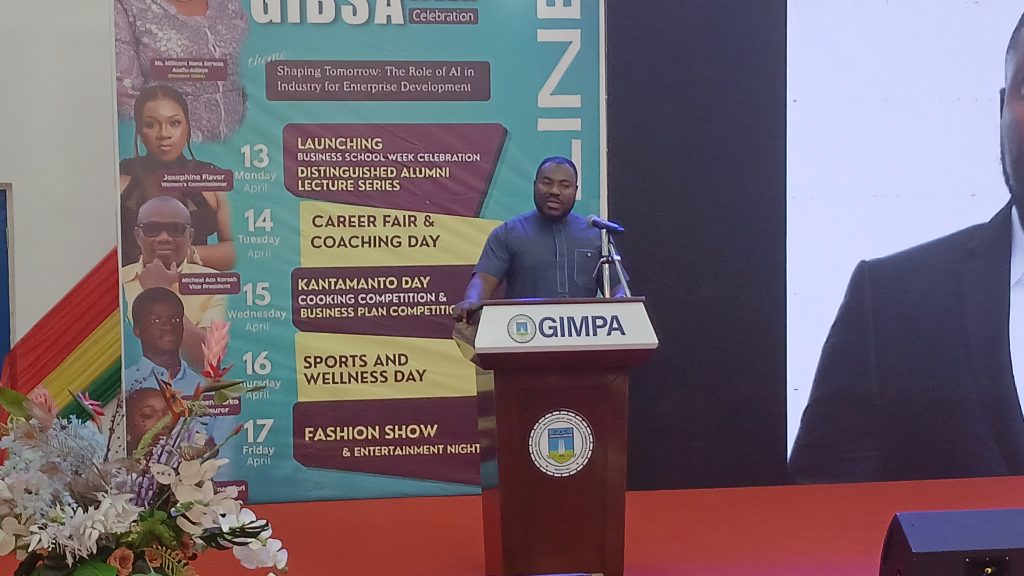
Delivering remarks as Special Guest of Honour, the Acting Chief Human Resource Officer of MTN Ghana, Mr. Abdella Ibrahim, highlighted the growing importance of coaching in corporate environments, describing it as a continuous and flexible development tool.
“At any point in your life, you can have a coach because we coach for different objectives,” he said, noting that coaching is not a one-time activity but an ongoing process that evolves with individual and organisational needs.
Mr. Ibrahim explained that MTN Ghana has deliberately invested in learning and development initiatives to foster a strong coaching culture within the organisation. He stressed that such investments should be viewed not as costs but as strategic inputs that yield long-term value.
He outlined several interventions implemented by the company, including training programmes such as “crucial conversations” and “crucial accountability,” as well as quarterly “talent conversations” aimed at improving employee performance through continuous feedback rather than annual appraisals.
According to him, the company’s coaching approach focuses on leveraging individual strengths, building resilience, and preparing high-potential employees for leadership roles.
“Coaching is about helping individuals become the best version of themselves and equipping them to confront complex challenges,” he said.
Mr. Ibrahim further revealed that MTN Ghana encourages coaching at all levels, including requiring successors in leadership roles to engage coaches as part of their development journey.
He also noted that while AI continues to influence business operations, it cannot replace the human ability to lead, manage people, and solve complex problems.
“AI cannot teach people how to lead people. Leaders must combine technology with human insight, and coaches are critical in that process,” he added.
The seminar formed part of activities marking GIMPA Business School’s Students Week celebration, which focuses on shaping future leaders through collaboration between academia and industry.