


Story by Eugene Nyarko Jnr. I ACU, Accra l Saturday, August 15, 2026
Ghana must accelerate the adoption and development of Artificial Intelligence (AI) to bridge the technological gap between the country and advanced economies, the Chairman of Parliament’s Information and Communications Committee, Hon. Dr. Abed L. Bandim, has said.
He said AI had become an important driver of economic development and Ghana could no longer afford to delay efforts to build the skills, policies, infrastructure and institutions needed to take full advantage of the technology.
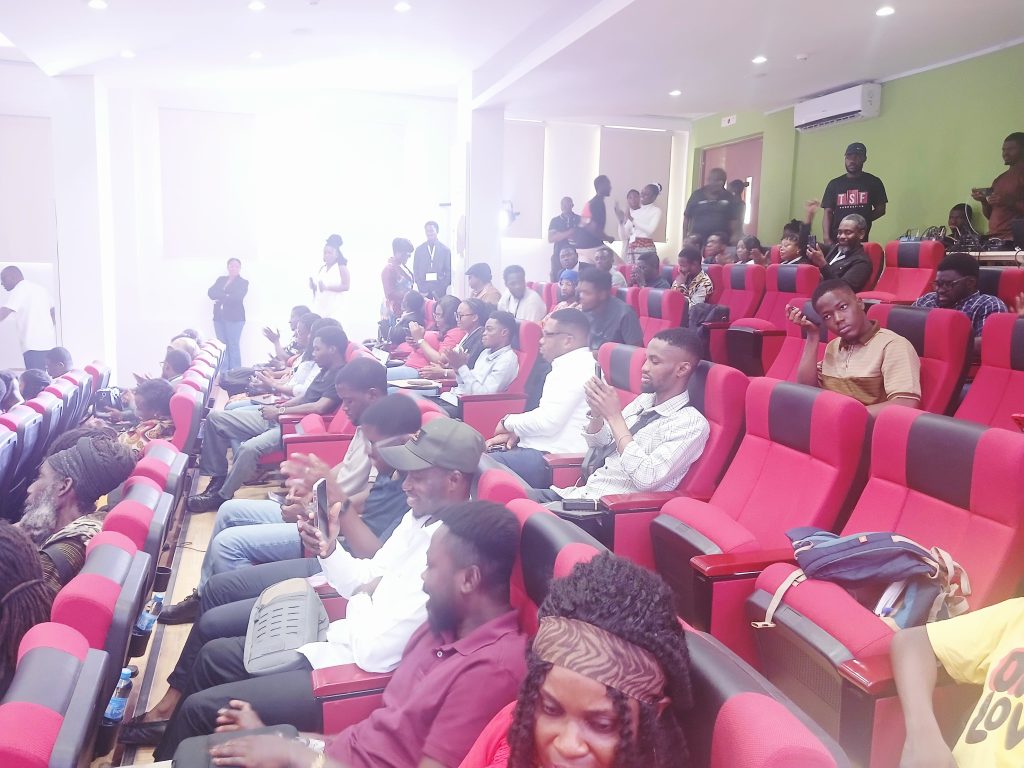
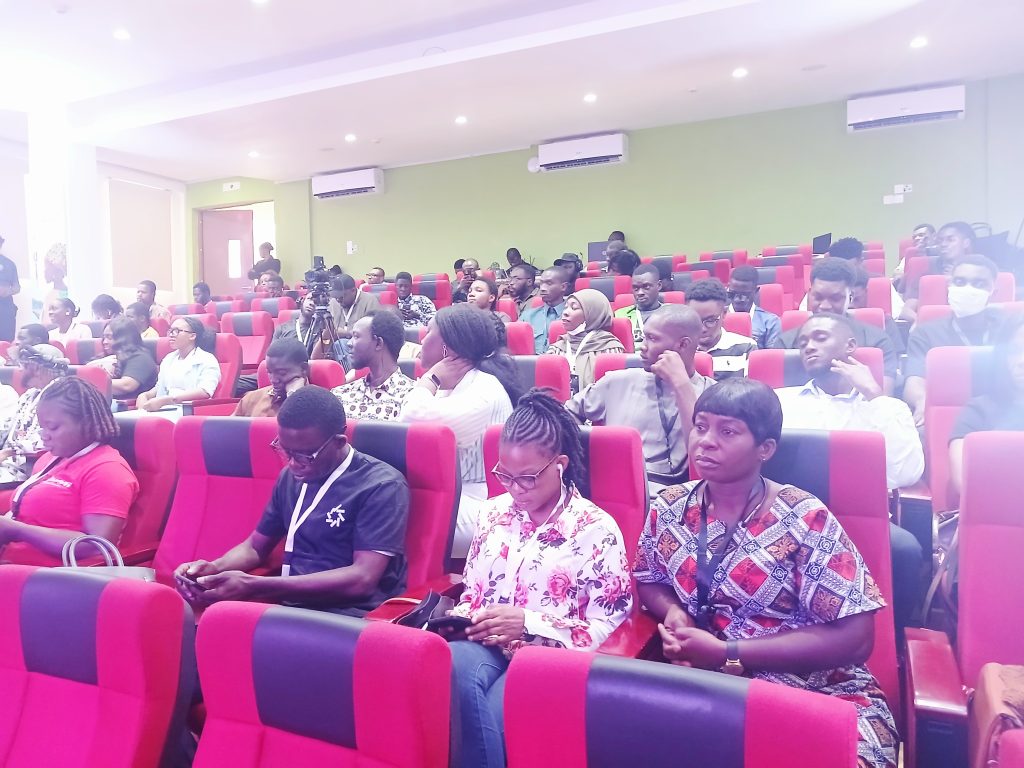
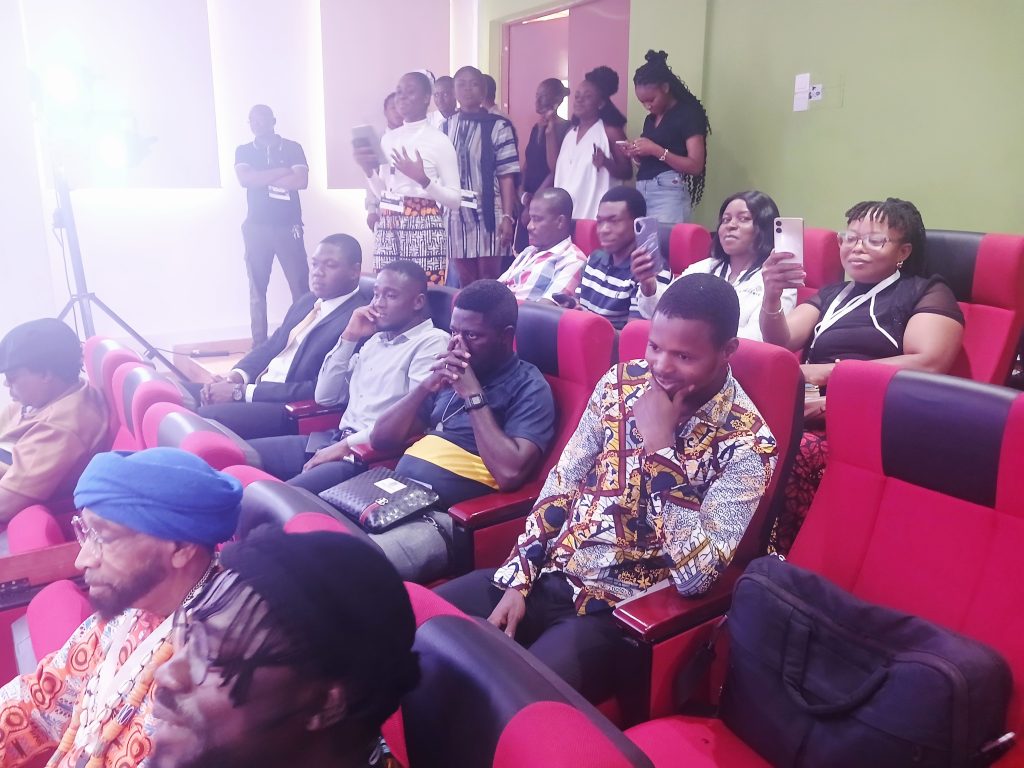
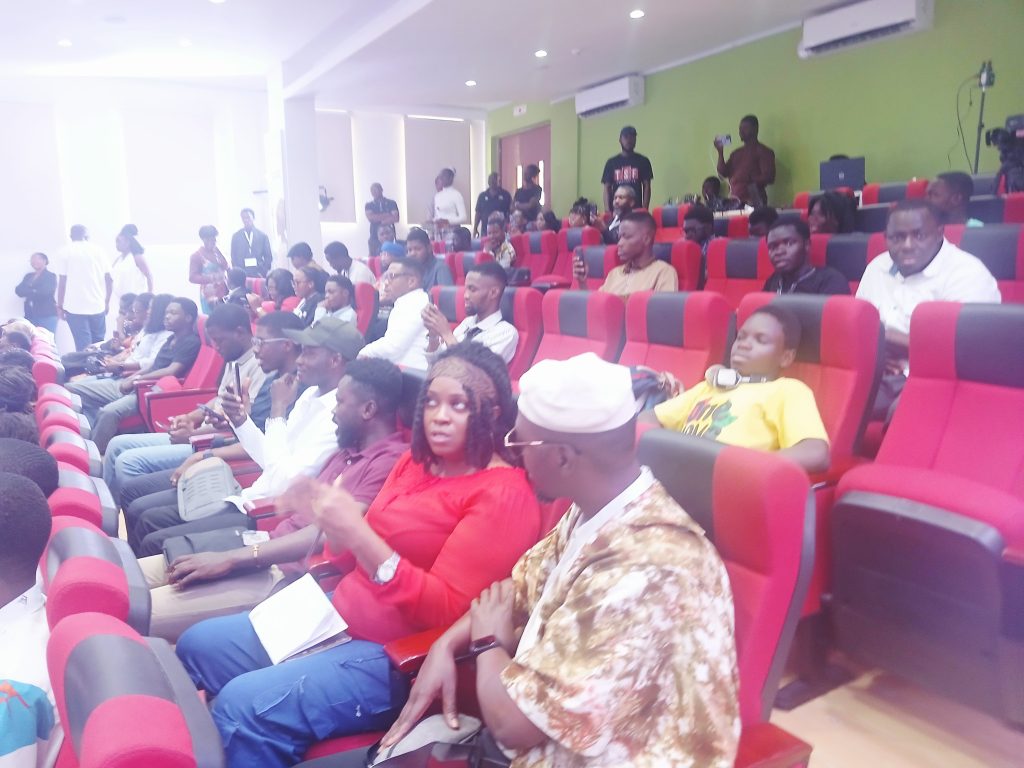
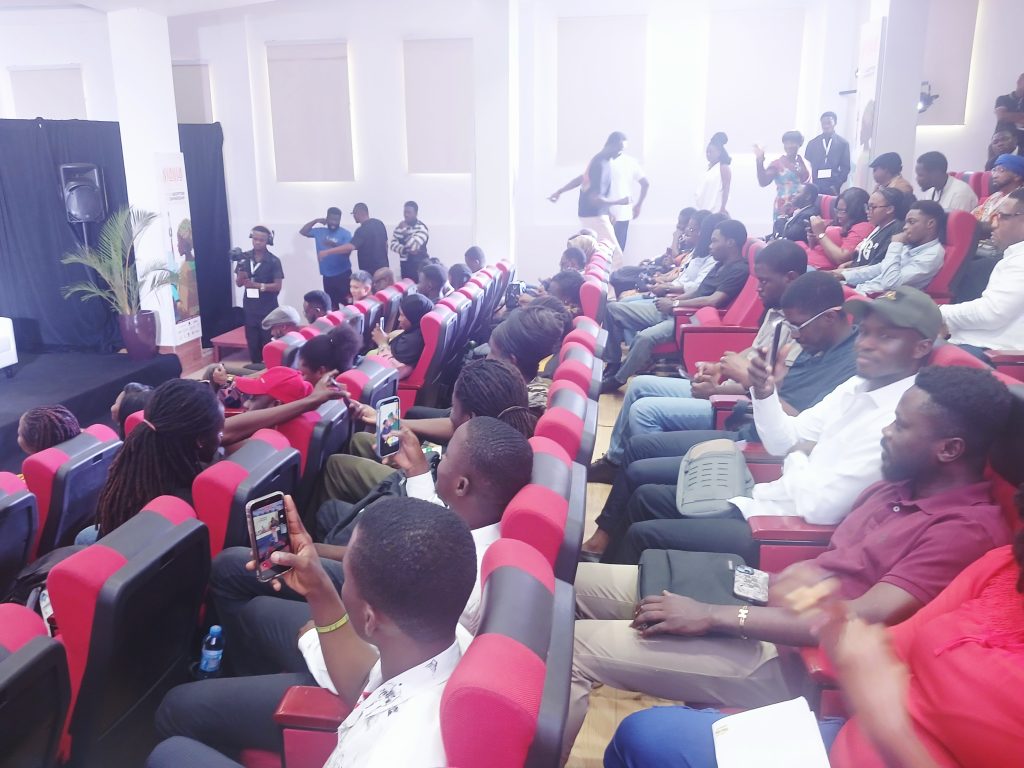
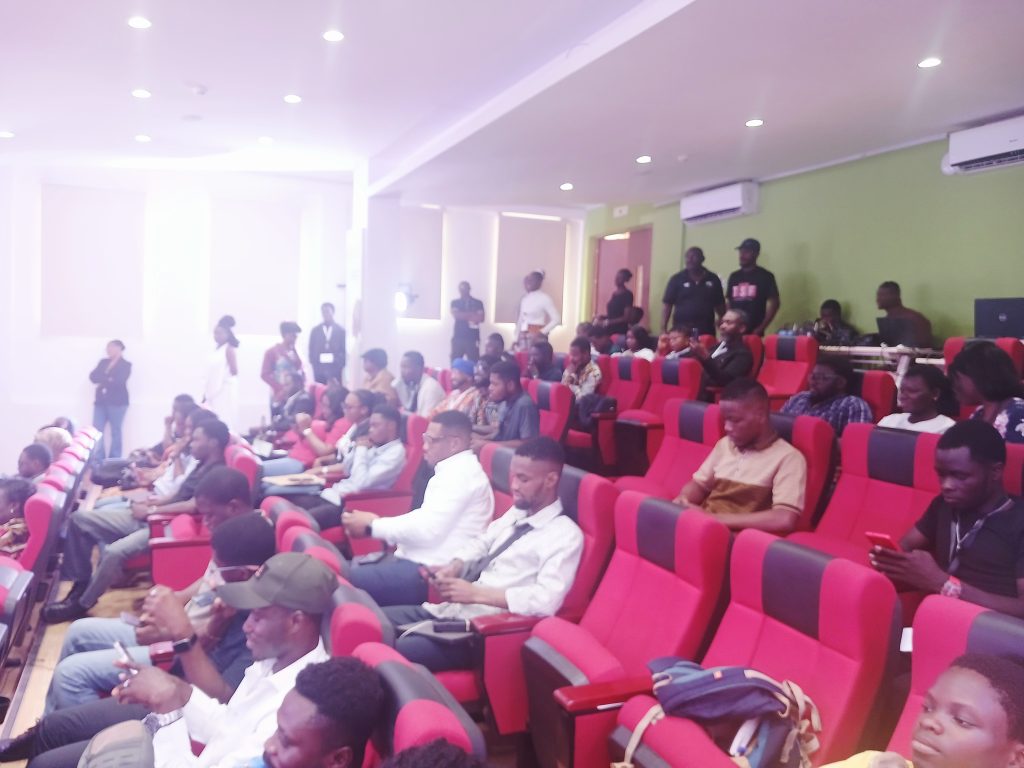
Dr. Bandim, who is also the Member of Parliament for Bunkpurugu, made the call in an interview on the second day of the Beyond AI Workshop, dubbed “Nyansa Futures 2026”, held at the Academic City University, Haatso, Accra.
The two-day workshop was held on the theme: “From Adoption to Ownership, Shaping Africa’s AI Future.”
Dr. Bandim said his participation in the workshop was particularly important because his position as Chairman of Parliament’s Information and Communications Committee required him to keep abreast of developments in the ICT industry.

He said such engagements provided opportunities to learn from different perspectives and institutions and to contribute to discussions that could inform legislation and national policy.
He added that his academic background in ICT, law and communications had further strengthened his interest in emerging technologies.
ICT laws need review
Dr. Bandim said Ghana was currently reviewing several laws governing the ICT sector because some of them had become outdated in the face of rapid technological developments.
He cited the National Communications Authority law, parts of which were passed around 2008, as an example of legislation that needed to be updated.
He disclosed that about 15 ICT-related bills were expected to go through the legislative process after consideration by Cabinet and subsequent transmission to Parliament.
He said the Data Protection law was among the important pieces of legislation requiring review.
According to him, the law had been in existence for more than 15 years, while the nature and volume of data being generated and processed had changed significantly.
“We are talking about AI; we are talking about emerging technologies. All of these are driven by data and therefore, as a country, if you don’t have a robust data protection law, you are bound to fail,” he said.
Dr. Bandim also said the Cybersecurity law, which established the Cyber Security Authority in 2017, needed to be reviewed to reflect current realities.
He explained that the ICT sector evolved so rapidly that legislation governing it needed to be regularly reviewed to remain effective.
Ghana must catch up
The MP said Ghana had no option but to accelerate its AI development efforts, citing China as an example of a country that had made significant advances in AI and robotics.
He said a visit to China in November 2025 exposed him to technological developments that demonstrated how far some countries had progressed.
According to him, what was showcased publicly represented only a fraction of what was being developed in the country.
“Ghana has no option than to accelerate our work in making sure that we get to where others are because that is the way to go,” he said.
Dr. Bandim also urged Ghanaians not to panic over concerns that AI would take away jobs.
He said AI should instead be viewed as a tool that could enhance human capabilities and productivity.
“AI will only come and enhance. Therefore, people should get ready. People should train themselves in order to take advantage of AI,” he said.
Funding critical
Dr. Bandim welcomed the government’s AI policy and the commitment to provide the necessary resources for its implementation.
He said the President’s pledge to increase funding for the ministry responsible for communications was important because AI development required investment in infrastructure, procurement and human resources.
He also mentioned reported World Bank interest in supporting aspects of the initiative and said an amount of about $22 million was expected to be injected into AI and emerging technologies.
He said such funding would provide an important foundation for moving the country’s AI agenda from policy to implementation.
From talent to jobs
Dr. Bandim said the conversation about AI in Ghana should now move beyond whether the country had enough talented people.
He said the real challenge was to transform the talents of young people into companies, innovations and jobs.
“The question today is no longer whether we have the talent in Ghana to drive AI. It is how to convert those talents in the youth so that their talent can be converted into companies, companies converted into innovations, innovations converted into jobs,” he said.
He also called for the use of AI to preserve Ghanaian languages, warning that some indigenous languages could become endangered if deliberate measures were not taken to document and promote them.
He said AI could also help farmers, market women and other local producers access international markets by enabling them to market their products to customers outside Ghana.
AI can improve productivity
A TV presenter, AI consultant and trainer, Akua Barden, also encouraged young people, particularly those without formal technology backgrounds, to embrace AI.

Ms Barden said she became interested in AI after recognising that technology was rapidly changing the world, although she did not have a formal IT background.
She said her experience had shown her that AI could reduce workloads, improve efficiency and help people turn ideas into practical action.
“I’m not a tech person. I’m just a media girl who reads, goes on TV and does what I have to do on radio. But now I use AI and I teach people how to use it because I know the benefits of using AI,” she said.
She urged young people to use AI to accomplish more within shorter periods and improve the value of their work.
Youth must acquire AI skills
The Executive Director of No Limit Consult and Foundation, Michael Owusu-Asare, said young people should learn AI and turn their knowledge into opportunities for employment and entrepreneurship.

He said the important issue was not simply adoption but ownership and agency.
“AI, as you know, is a tool. But the thing is, who owns the AI is what’s important,” he said.
Mr Owusu-Asare said AI could be applied in several sectors, including graphic design, video editing, digital marketing and other creative industries.
He urged unemployed young people to make use of free online resources to learn AI and subsequently provide services to people and businesses.
He said early adopters of emerging technologies could gain an advantage by acquiring skills that were increasingly in demand.
AI and disability inclusion
Mr Owusu-Asare also highlighted the potential of AI and digital technology to empower persons with disabilities.
As a wheelchair user, he said technology could enable persons with disabilities to participate more fully in the economy because many digital jobs relied more on knowledge and creativity than physical strength.
He urged persons with disabilities not to allow their conditions to limit their ambitions.
“For me, I don’t see my disability as a disadvantage. I see it as an advantage,” he said.
He said the right mindset, combined with access to technology and skills development, could enable persons with disabilities to achieve significant things in the digital economy.