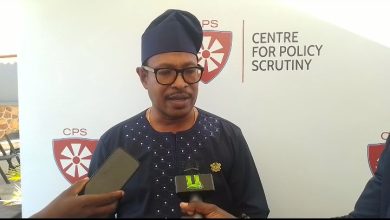

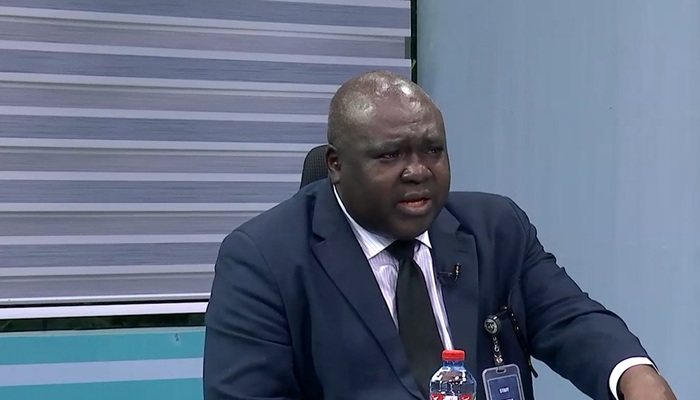
The Director of Research at the Bank of Ghana (BoG), Dr Philip Abradu-Otoo, has called for urgent and wide-ranging structural reforms to strengthen the Ghanaian cedi and shield households and businesses from the damaging effects of exchange rate volatility and inflation.
Speaking at the launch of the University of Cape Coast’s (UCC) School for Development Studies Alumni Association, which featured a high-level roundtable on “Monetary Policy Responses to Exchange Rate Volatility in Ghana: Implications for Cost of Living”, Dr Abradu-Otoo warned that sharp swings in the cedi undermine price stability, distort investment decisions, and erode purchasing power.
“The central bank is mandated to stabilise inflation, not necessarily the exchange rate. However, excessive volatility, whether appreciation or depreciation, creates uncertainty that affects investment, competitiveness, and cost of living,” he noted.
Dr Abradu-Otoo highlighted Ghana’s heavy dependence on imports as a key driver of exchange rate pressure.
He explained that when the cedi depreciates, the higher cost of imported goods and inputs is quickly passed on to consumers, exacerbating inflation and putting pressure on household budgets.
Dr Abradu-Otoo urged bold measures to diversify the economy, boost exports, and build stronger foreign reserves, stressing that meaningful, long-term stability requires coordinated action across government, private sector, and academia.
“Building a resilient currency demands that we expand our export base, improve domestic production, and strengthen macroeconomic fundamentals. Without these, the cedi will remain vulnerable to external shocks,” he said.
Dr Abradu-Otoo highlighted that building a resilient currency cannot be left to the central bank alone.
He called for collective action and structural reforms, from strengthening local manufacturing and value-added exports to improving fiscal discipline, to reduce Ghana’s vulnerability to external shocks and create a stable, predictable economic environment for citizens and businesses alike.
Dr Abradu-Otto stressed that with the right reforms, Ghana can cushion the economy against global uncertainties, ease cost-of-living pressures, and provide a firmer foundation for sustainable growth and job creation.
Adding perspective, Professor Samuel Kwaku Agyei, Dean of the UCC School of Business, echoed the warning that exchange rate instability consistently fuels inflation, especially for basic goods such as food, transport, and utilities.
“In Ghana, even a tomato seller attributes price hikes to the dollar. This shows how deeply exchange rate volatility trickles down to households,” Professor Agyei observed.
He also pointed out that despite the cedi’s recent appreciation, many businesses and traders have been slow to adjust their prices, leaving consumers unable to feel the benefits in their daily expenses.
“Market players must complement government efforts by ensuring that price reductions are reflected in the pockets of households,” Professor Agyei stressed.