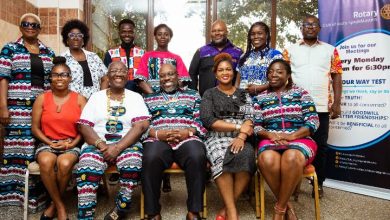

Exploring Ghana’s Cultural Heritage: Understanding Traditions and Modern Influences
Introduction to Ghana’s Rich Cultural Tapestry
Ghana is a land of diverse cultures, languages, and traditions, woven into a vibrant tapestry that reflects its rich history. This article aims to explore the various elements of Ghana’s cultural heritage, the importance of preserving these traditions, and how modern influences are molding the future of Ghanian culture.
The Pillars of Ghanaian Culture
Ghana’s culture is characterized by several key elements:
- Languages: Ghana is home to over 80 languages, with Akan, Ewe, and Dagbani being the most widely spoken. Appreciating these languages is essential for understanding the country’s identity.
- Traditional Festivals: Festivals such as Homowo, Panafest, and the Oguaa Fetu Afahye showcase the rich history and communal existence of Ghanaians.
- Art and Craft: Handwoven fabrics, beads, and wood carvings reflect the creativity of the Ghanaian people and are significant in both cultural expression and economic contribution.
- Music and Dance: Genres like Highlife, Hiplife, and traditional drumming are integral to celebrations and storytelling, connecting Ghanaians to their roots.
The Influence of Modernity
While Ghana’s cultural heritage is deeply rooted in tradition, modern influences are reshaping its cultural landscape:
- Urbanization: Cities like Accra and Kumasi are rapidly transforming, leading to shifts in lifestyles and cultural practices, particularly among the youth.
- Globalization: Entertainment platforms and social media are introducing Ghanaians to global trends, which sometimes blend with local practices, especially in music and fashion.
- Education: Increased access to education promotes a better understanding of both local and global cultures, but can sometimes lead to a disconnection from traditional values.
Preserving Ghana’s Cultural Heritage
As modern influences evolve, it is crucial to preserve Ghana’s cultural heritage for future generations. Here are some ways to ensure this preservation:
- Engagement in Local Festivals: Participating in local events fosters communal ties and strengthens cultural identity.
- Support Local Artisans: Buying handmade crafts not only promotes local economies but also keeps traditional skills alive.
- Documenting Oral Histories: Recording stories from the elders helps to keep the traditions and wisdom of the past accessible to future generations.
- Integrating Culture in Education: Schools should incorporate lessons on local history, languages, and customs into their curriculums to enhance cultural appreciation among students.
The Future of Ghanaian Culture
The blending of modern influences and traditional practices offers a unique opportunity for Ghana to create a dynamic cultural identity. As Ghana continues to grow and evolve, it is important to strike a balance between embracing the new and honoring the past. The future of Ghanaian culture lies in:
- Creativity: Promoting innovative arts that celebrate Ghanaian experiences while appealing to a global audience.
- Collaboration: Encouraging partnerships between local artists and international acts can lead to rich cultural exchanges.
- Community Initiatives: Grassroots movements focused on cultural education can empower communities to maintain their heritage while integrating modern perspectives.
Conclusion
Understanding and preserving Ghana’s cultural heritage is vital in fostering a sense of identity among Ghanaians while navigating the complexities of modernity. By engaging with traditions, supporting local artisans, and integrating cultural education, we can ensure that Ghana’s vibrant culture continues to thrive in the context of a rapidly changing world.