
Law Students’ Network, youth groups demand inclusive constitutional review and stronger checks on executive power

Story by Eugene Nyarko Jnr. | IEA, Accra | Tuesday, October 13, 2026 —
The Law Students’ Network (LSN) and youth groups have called for a more inclusive and transparent constitutional review process, urging the government to build broad national consensus on proposed amendments to the 1992 Constitution.
They argued that the ongoing review must go beyond changing constitutional provisions to address the concentration of executive power, strengthen parliamentary oversight, safeguard judicial independence and create opportunities for meaningful youth participation in national decision-making.
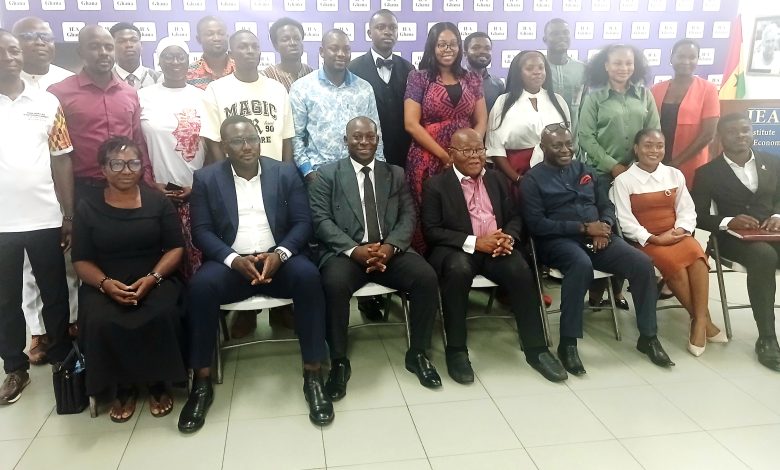
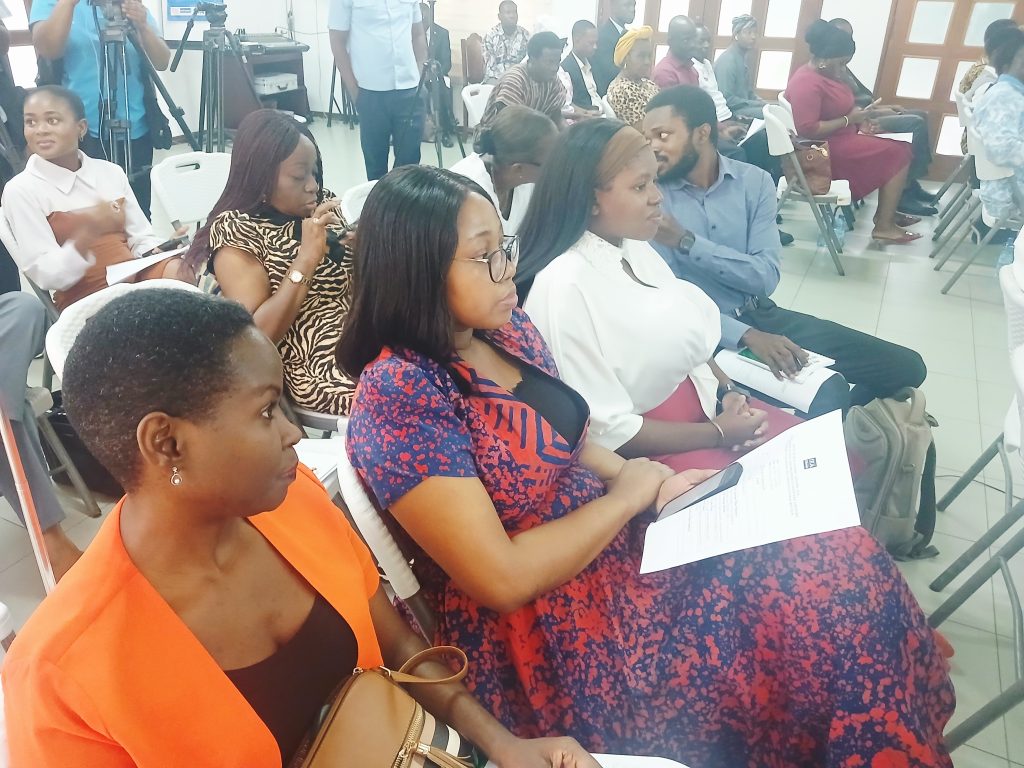
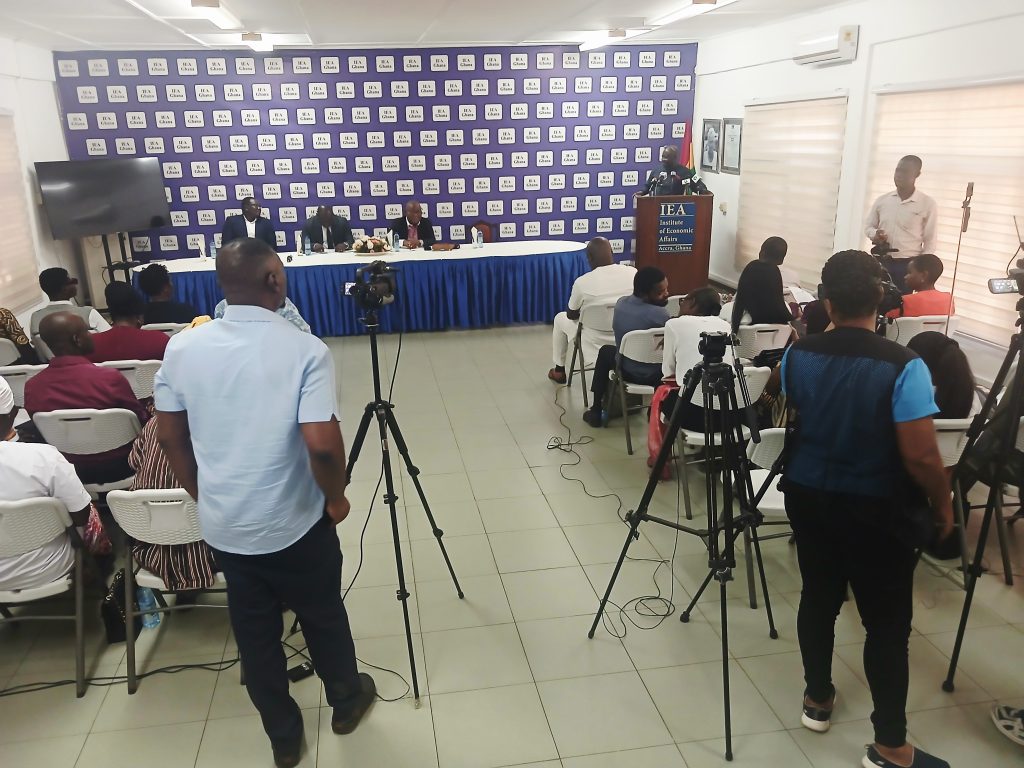
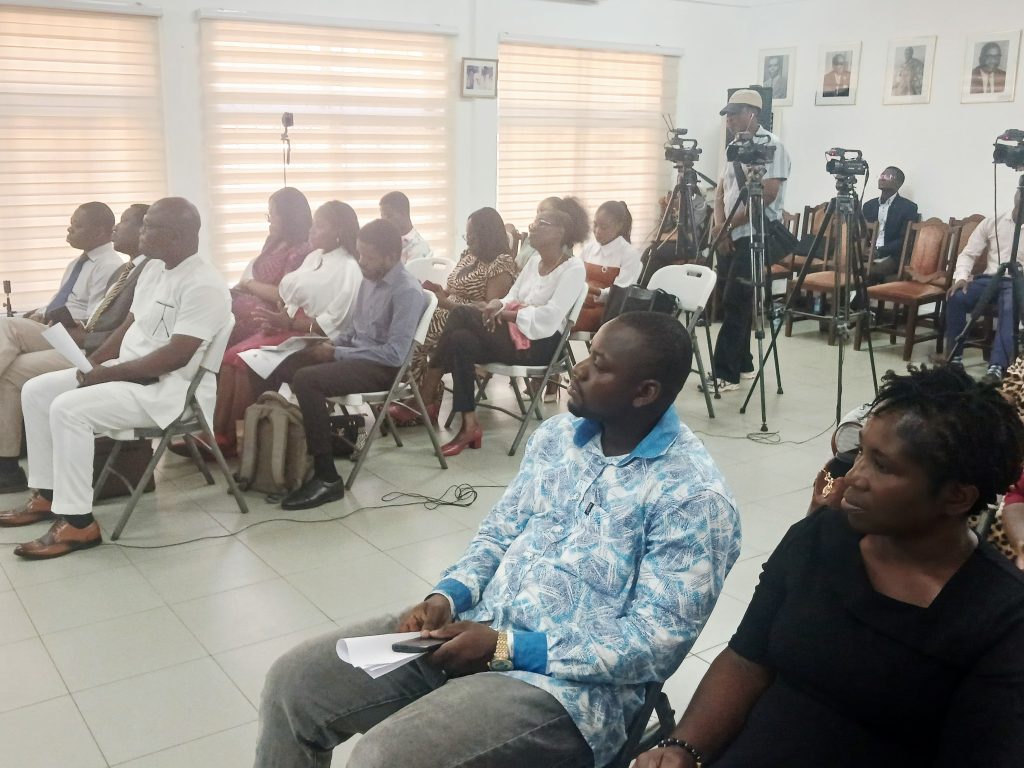
The calls were made at a dialogue organised by the Institute of Economic Affairs (IEA) at the IEA Dialogue Center in Accra on Tuesday, October 13, 2026, under its Views and Reflections: The Prempeh Committee’s Report and Government’s Position on Constitutional Review series, which focused on students and youth groups.
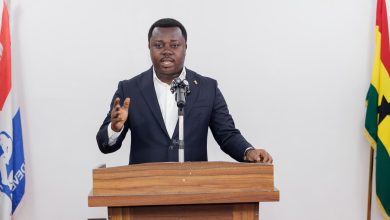
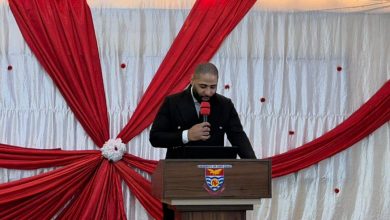
The President of the Law Students’ Network, AK Gyasi, Esq., who was the second speaker, said the Constitution belonged to the people of Ghana and that its review should not be driven predominantly by the preferences of the government of the day.
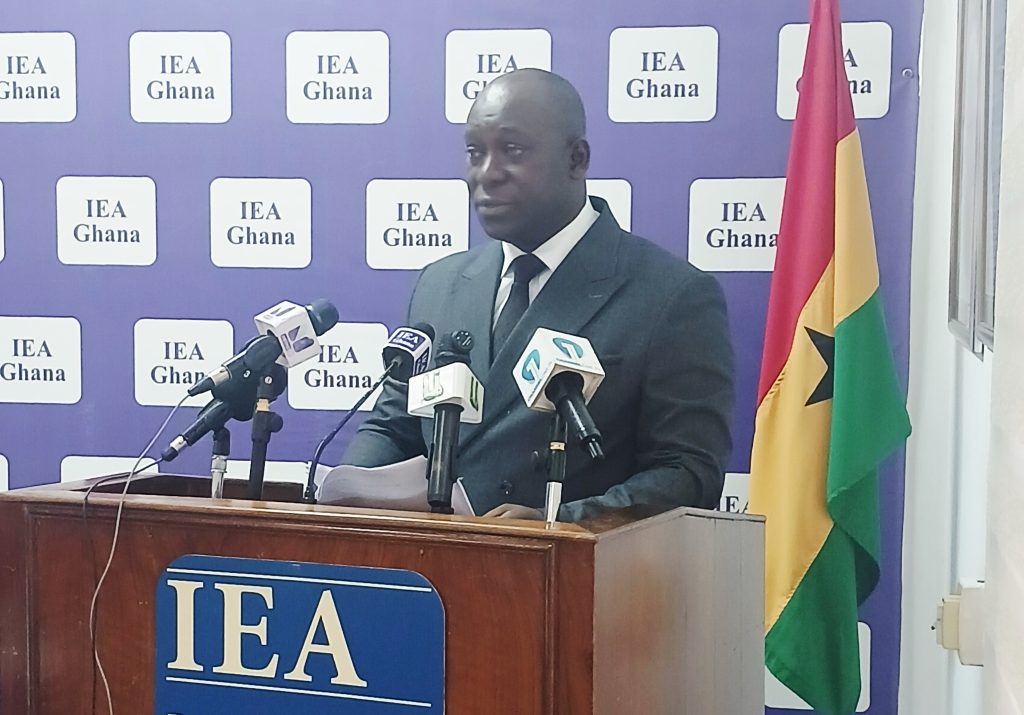
He maintained that although the government had the authority to evaluate the recommendations of the Constitutional Review Committee (CRC), the process must allow competing constitutional perspectives to be considered through a representative national deliberation.
“Constitutional reform should not merely reproduce the preferences of the incumbent executive under the appearance of national consensus,” he said.
Mr Gyasi noted that more than three decades after the commencement of the Fourth Republic, Ghana had an opportunity to address excessive executive authority, institutional weaknesses, deficiencies in parliamentary oversight and limitations in the decentralisation framework.
He said the fundamental question was no longer simply which constitutional provisions should be amended, but who should determine the substance of those amendments, through what process and with whose consent.
Executive influence
Mr Gyasi expressed concern about the government’s response to the recommendations of the CRC, chaired by Professor H. Kwesi Prempeh, which undertook nationwide consultations before submitting its proposals.
He said the government’s position paper, issued on July 28, 2026, accepted some recommendations, modified others and rejected several proposals.
According to figures cited in his presentation, only 22 of the committee’s 147 proposals and recommendations were fully accepted, while another 25 were partially accepted.
Although acknowledging the government’s right to review the recommendations, he said the arrangement raised questions about institutional conflicts of interest because the executive was effectively determining which proposed restrictions on its own powers should be adopted.
“The concern is that the institutions whose powers are being reviewed remain the dominant decision-makers in determining which restrictions on those powers should advance,” he said.
He argued that a constitutional review intended to reduce excessive presidential authority required particular caution when the executive rejected proposals aimed at limiting its appointment powers or strengthening independent oversight institutions.
Mr Gyasi also supported calls for a constituent or consultative assembly to facilitate broader national deliberations on contested recommendations.
He cited similar concerns raised by political parties, the Ghana Bar Association, organised labour and civil society organisations, stressing that the need for consensus transcended partisan interests.
Five-year presidential term
On the proposed extension of the presidential term from four to five years, Mr Gyasi said the argument that an additional year would provide governments with more time to implement their programmes deserved consideration but was insufficient on its own.
He maintained that a longer presidential term would not automatically resolve institutional inefficiencies, corruption, weak planning, ineffective public administration or inadequate accountability.
According to him, the priority should be strengthening the institutions through which executive power was exercised and controlled rather than simply extending the period for which a president could remain in office.
He called for convincing empirical evidence to justify the proposed extension, warning that without corresponding improvements in accountability, presidential appointments and parliamentary oversight, a longer term could prolong existing governance challenges.
Judicial independence and Parliament
Mr Gyasi further criticised the retention of substantial presidential influence over judicial appointments, arguing that judicial independence depended not only on freedom from interference after appointment but also on transparent and credible selection procedures.
He said Articles 144 and 146 of the Constitution should be considered alongside Article 127, which guarantees judicial independence.
He therefore called for a framework that balanced executive participation in appointments with transparent, merit-based selection and effective institutional safeguards.
On Parliament, he supported the CRC’s proposal for a stricter separation of executive and legislative functions, including a prohibition on Members of Parliament simultaneously serving as ministers.
He said allowing MPs to serve as ministers could weaken Parliament’s ability to scrutinise the executive effectively.
Mr Gyasi argued that Parliament should be sufficiently independent to examine government policies critically rather than operate under arrangements that could compromise its oversight responsibilities.
He also endorsed the CRC’s proposal to reduce the minimum presidential eligibility age from 40 to 30 years, arguing that the government’s proposed reduction to 35 years would continue to exclude qualified younger Ghanaians from the highest political office.
He urged the government to submit disputed recommendations to renewed public scrutiny, establish a clear legislative roadmap and ensure that referendum proposals enabled citizens to make informed decisions.
Youth demand representation
The President of the Ghana Youth Federation (GYF), Sherif Ghali, who was the third speaker, called for direct youth representation in the implementation of the constitutional review and greater clarity on proposed parliamentary representation for young people.
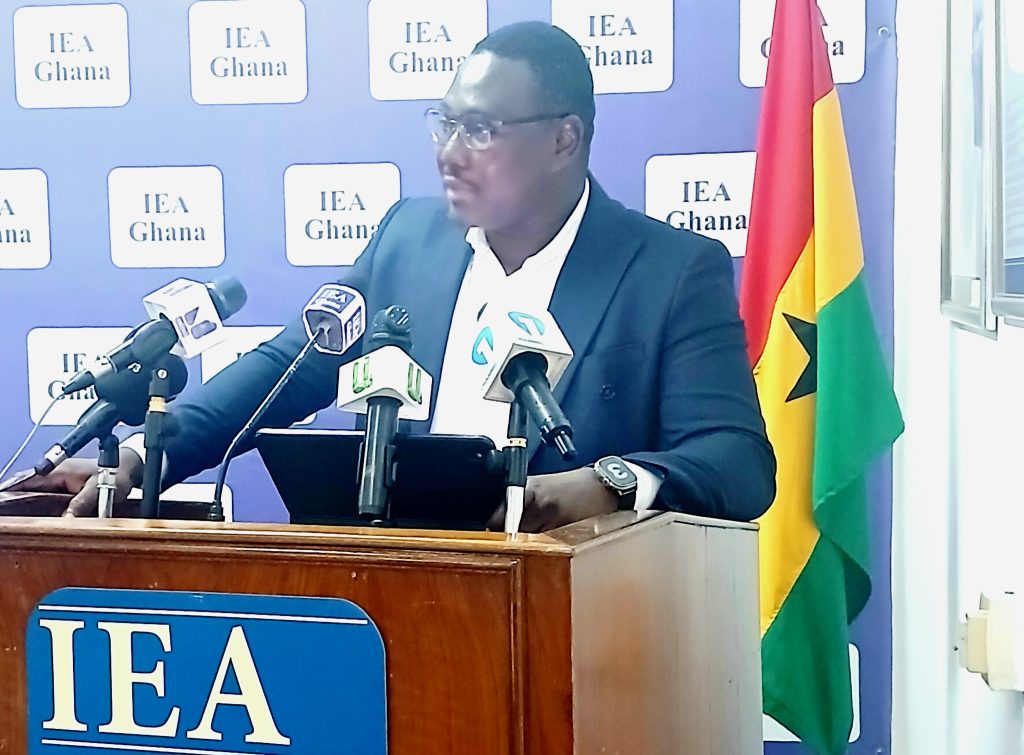
He said the next constitutional framework would affect younger generations for longer than many of the country’s current political leaders and, therefore, their voices must be central to the process.
Mr Ghali cited Ghana’s 2024 voters register, which contained approximately 18.77 million registered voters, including more than 10 million young people between the ages of 15 and 35.
He said the figures demonstrated the significant influence young people could have on the proposed constitutional amendments, particularly those requiring a referendum.
Under the constitutional requirements he outlined, at least 40 per cent of registered voters must participate in a referendum on entrenched provisions, while at least 75 per cent of those voting must support the proposal for it to pass.
He therefore urged young people to take an active interest in the review, warning that their absence from the process could undermine the chances of securing the required public support.
Mr Ghali welcomed several proposals contained in the government’s position, including the reduction of the minimum presidential eligibility age from 40 to 35 years, the proposed allocation of 24 parliamentary seats through proportional representation for women, persons with disabilities and young people, and the election of Metropolitan, Municipal and District Chief Executives.
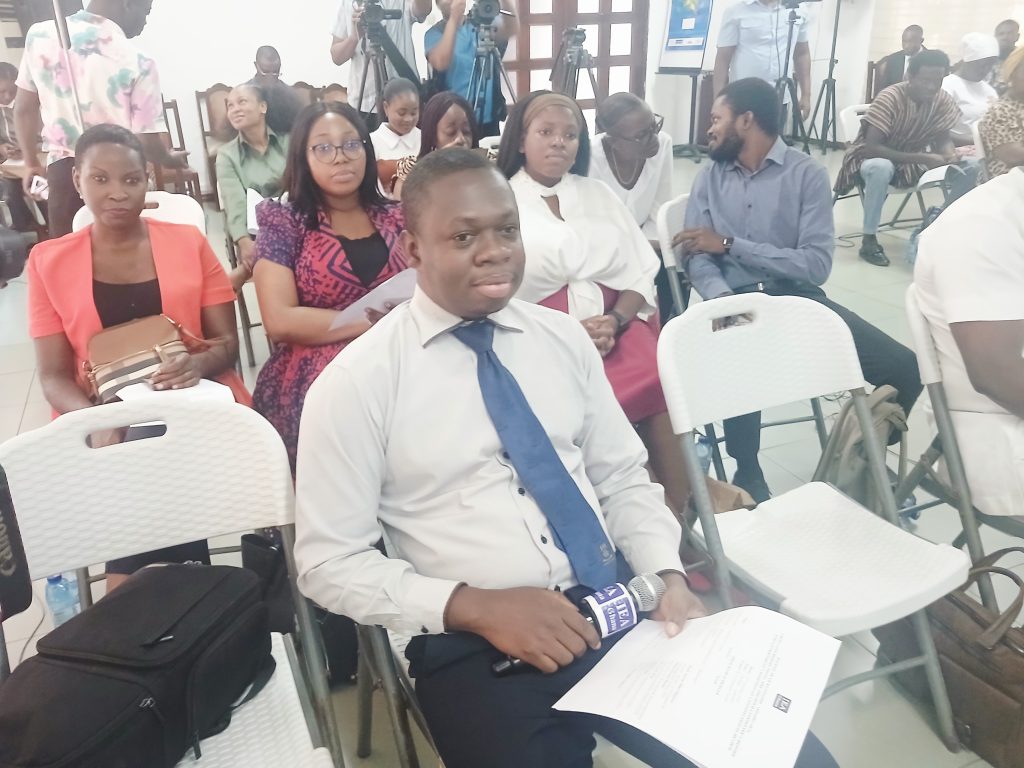
However, he questioned whether the proposed 24 parliamentary seats would provide adequate representation for young people if shared equally among the three groups.
He argued that an equal division would give young people only eight seats in a 300-member Parliament, representing less than three per cent of the House despite their substantial share of the electorate.
He called for the youth allocation to be clearly specified before the design of the proposed seats was finalised.
Mr Ghali also disclosed that the Ghana Youth Federation had written to the Attorney-General’s Ministry seeking youth representation on the committee established to oversee the implementation of the constitutional reforms but had not received a response.
He insisted that young people must be involved from the implementation stage through to the referendum rather than being consulted only after major decisions had been made.
Cost of politics
Mr Ghali said lowering the minimum age for presidential eligibility would not, by itself, remove the barriers preventing young people from entering politics.
He identified the high cost of political participation as a major obstacle and called for clear campaign expenditure limits to prevent financial considerations from undermining youth participation.
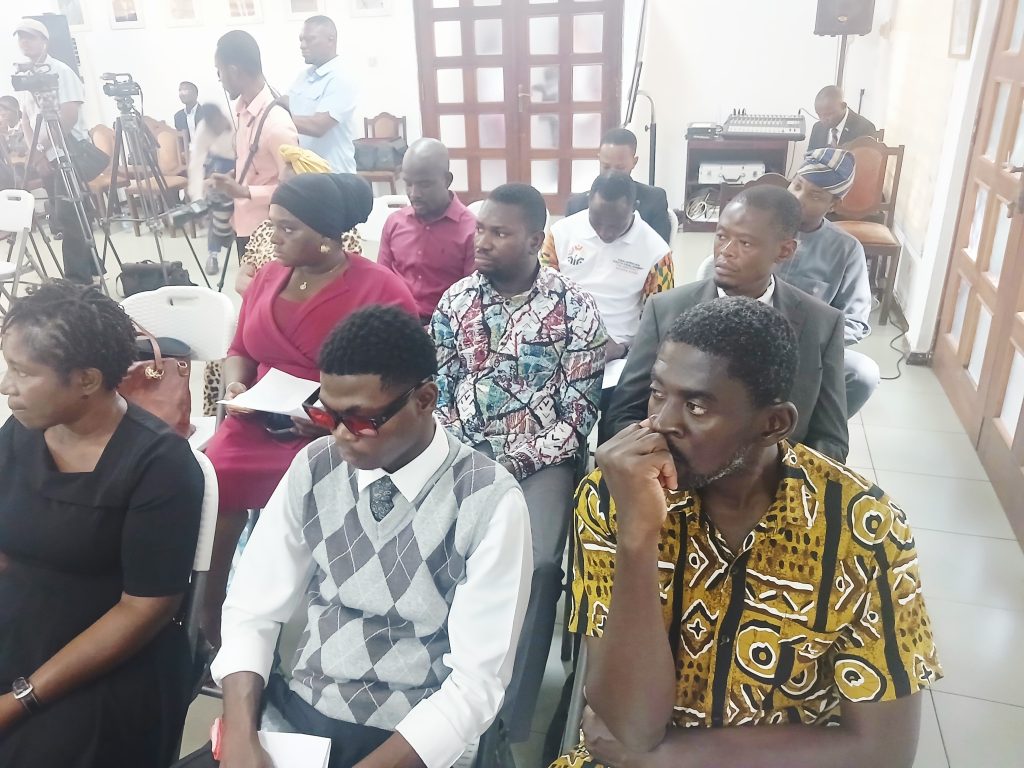
He also advocated a long-term national development plan that would survive changes in government, arguing that frequent changes in policy direction affected investors, businesses and employment opportunities.
He said disagreements between the government, the CRC, political parties, organised labour and civil society organisations should be resolved through dialogue before the proposed amendments were submitted to a referendum.
Mr Ghali announced that the Ghana Youth Federation would, over the following 30 days, organise youth dialogues through its district federations, collect positions from registered youth groups and submit a consolidated youth memorandum to the implementation committee and Parliament before the proposed bills were laid.
He further encouraged youth leaders to study the CRC report and the government’s position paper, saying they could not effectively support or oppose proposals they had not read.
“The 1992 Constitution was written for us. The next one must be written by the young people,” he said.
Education, jobs and entrepreneurship
The Secretary for Innovation, Entrepreneurship and Skills Development of the National Union of Ghana Students (NUGS), Titus Owusu Darko, called for the constitutional review to address the economic challenges confronting young people, particularly unemployment, limited access to finance, inadequate practical skills and the mismatch between education and labour-market requirements.

He said the educational system placed considerable emphasis on theory while many students lacked the practical skills required by industry.
Mr Darko also criticised political patronage in access to opportunities, including placements for National Service and internships, arguing that young people should not be disadvantaged because they did not belong to politically affiliated organisations.
He called for a constitution and governance framework that promoted merit, accountability, effective parliamentary scrutiny and equal opportunities for young people to participate in leadership and decision-making.
He proposed that the implementation of the constitutional reforms should be accompanied by an assessment of their implications for education, employment, entrepreneurship, gender inclusion and regional inequalities.
Such an assessment, he said, would help identify the effects of the proposed changes on future generations and ensure that those effects were publicly explained before major decisions were made.
Mr Darko urged young people to unite in holding governments accountable, including when members of youth organisations belonged to the governing establishment.
He said the Constitution must remain responsive to the realities of a changing society rather than become a document followed without sufficient consideration of its practical impact on citizens.
Development must guide constitutional review
In his closing remarks, former Speaker of Parliament and Distinguished Fellow of the IEA, Professor Aaron Mike Oquaye, urged stakeholders to assess the constitutional review through the lens of economic development.
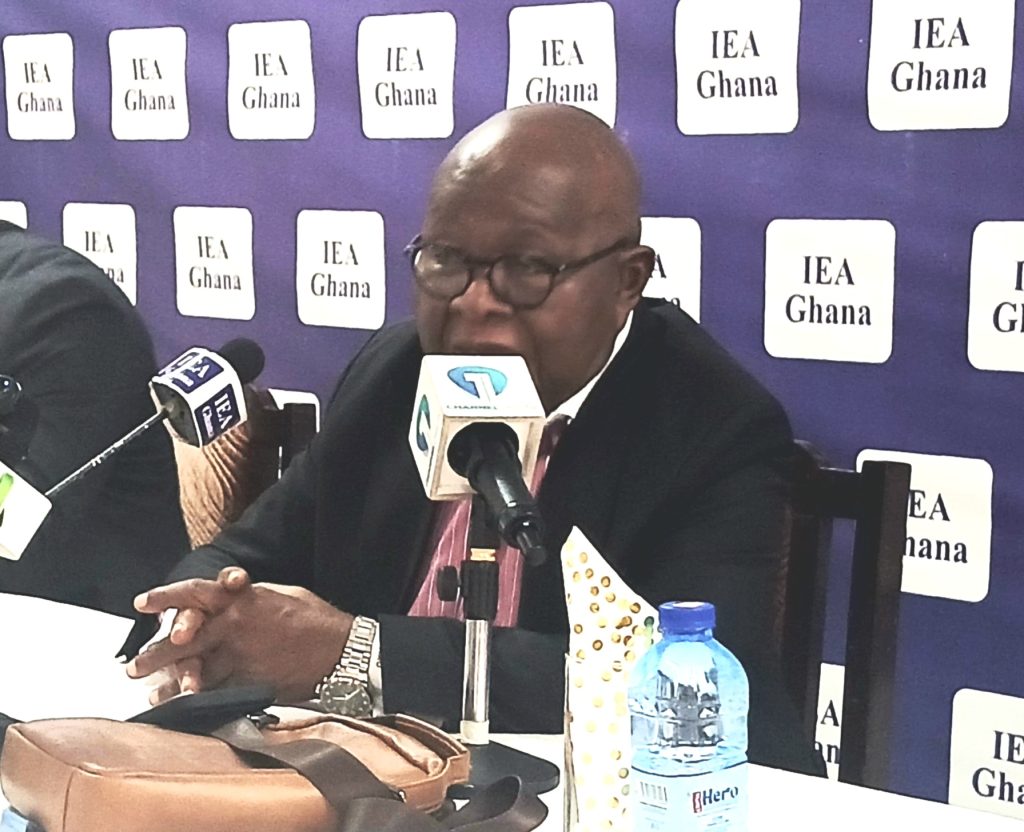
He said constitutional reform must be guided by a clear understanding of the country’s development needs and supported by effective mechanisms for implementing and sustaining national policies.
Professor Oquaye argued that Ghana needed a constitution capable of promoting economic opportunity, employment, skills development and long-term planning rather than one focused exclusively on the distribution and limitation of political power.
He questioned why Ghana had repeatedly resorted to the International Monetary Fund (IMF), citing the country’s 17 engagements with the institution as an indication of persistent economic challenges.
He said the constitutional review presented an opportunity to establish stronger safeguards against the abandonment of development projects whenever a new government assumed office.
Professor Oquaye proposed strengthening the National Development Planning Commission (NDPC) by giving it sufficient constitutional authority to ensure that national development plans were implemented consistently across successive administrations.
He argued that the country needed effective mechanisms to prevent governments from abandoning projects started by their predecessors, resulting in unfinished infrastructure and wasted public resources.
He also called for greater accountability in the management of Ghana’s natural resources, including gold, diamonds, bauxite, manganese, lithium and oil.
According to him, the country should pursue policies that enabled more domestic value addition and created employment opportunities from the processing of its natural resources rather than relying predominantly on the export of raw materials.
Professor Oquaye further supported stronger parliamentary independence, arguing that excessive alignment between the executive and the parliamentary majority could weaken scrutiny of government policies.
He said allowing ministers to remain in Parliament could undermine the legislature’s capacity to independently examine and challenge executive decisions.
He urged young people to demand constitutional safeguards that would compel governments to act in the national interest, protect public resources and pursue sustainable development.
Professor Oquaye said constitutional reform would achieve meaningful results only when its underlying objectives were clearly defined and supported by practical implementation mechanisms.
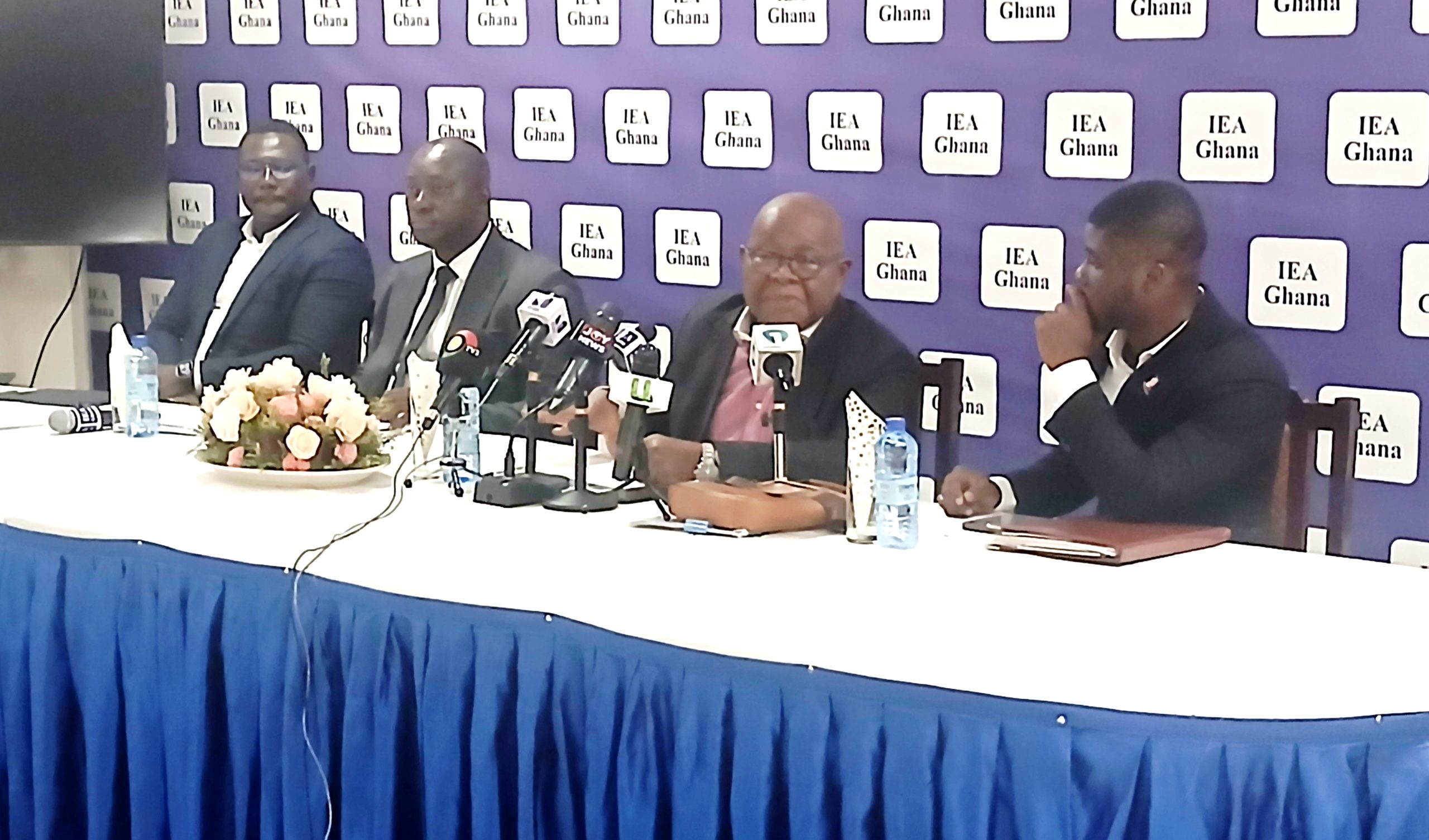
The dialogue formed part of the IEA’s ongoing public engagement on the CRC’s recommendations and the government’s proposed approach to constitutional reform, providing students and youth groups with an opportunity to express their views on the future of Ghana’s constitutional governance.