
Story by Eugene Nyarko Jnr. l Accra, Ghana
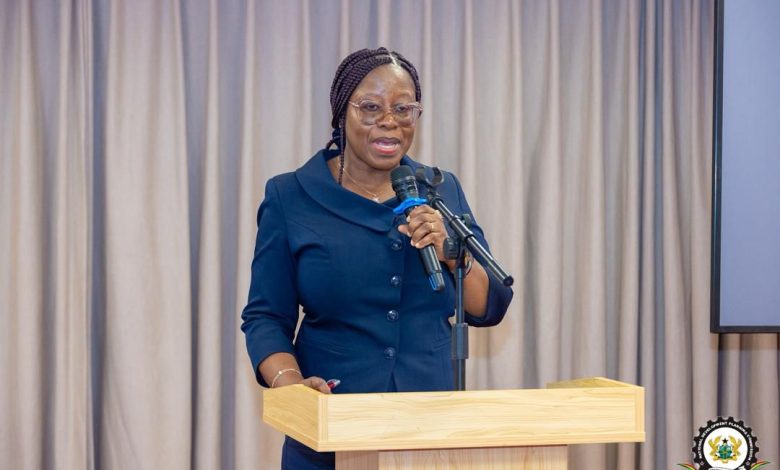
The Director-General of the National Development Planning Commission (NDPC), Dr Audrey Smock Amoah, has called for a stronger national push to harness the full potential of Ghana’s diaspora community to drive inclusive growth and long-term development.
Speaking at a Workshop on Diaspora Contributions to Financing National Plans and Development Policies in Ghana, Dr Amoah noted that diaspora remittances continue to be a critical source of development financing. She revealed that Ghana received an estimated US$4.6 billion in remittances in 2023—equivalent to about 6.4% of GDP—supporting household welfare, education, healthcare, housing, and community-level initiatives.
Despite these substantial inflows, Dr Amoah stressed that the country has yet to fully tap the potential of its global citizenry. “The diaspora brings skills, knowledge, networks, entrepreneurship, and innovation, yet much of this potential remains underutilised, particularly in long-term productive investment and technical collaboration,” she said.
She warned that Ghana loses nearly US$1 billion annually in unrealised economic value due to the underutilisation of diaspora expertise, describing brain drain as a persistent development challenge. To address this, she outlined four key priorities needed for effective diaspora engagement: strengthening data and measurement systems, expanding investment channels, enhancing regulatory coordination, and leveraging partnerships and incentives.
Dr Amoah reaffirmed the NDPC’s commitment to collaborating with government agencies, development partners, the private sector, academia, and civil society to translate insights from the workshop into impactful policies. These efforts, she said, will broaden the country’s financing options, enhance national capacity, and promote inclusive development.
The workshop forms part of the programme “Strengthening the Link between Migration and Development in Africa”, which explores practical strategies for facilitating skills and knowledge transfer across borders. It also draws lessons from countries such as Lesotho, Egypt, Tunisia, and Comoros to inform Ghana’s diaspora engagement model.
Also addressing participants, Mr Amadou Diouf, Economic Affairs Officer at the Economic Commission for Africa’s Subregional Office for West Africa, underscored the importance of maximising remittances and diaspora contributions in national development frameworks. He urged stronger commitment across institutions, saying: “Let us work together to ensure that diaspora contributions fully support Ghana’s development goals and contribute to the prosperity of our continent.”
Mr Diouf noted that the ECA has launched a multi-country programme aimed at strengthening the migration–development nexus across six African Member States, including Ghana. The initiative promotes South-South cooperation, enabling countries to share successful models and replicate best practices.
The event brought together key stakeholders to discuss Ghana’s approach to integrating remittances and diaspora contributions into the next Medium-Term National Development Policy Framework (2026–2029).