
Story by Eugene Nyarko Jnr. l Accra l March 19, 2026
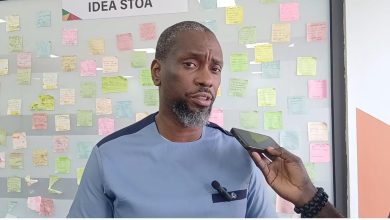
The President of the Association of Submarine Cable Operators of Ghana, Ing. Isaac Tei Ayiku, has called for heightened public awareness and stronger legal penalties to protect the country’s critical submarine cable infrastructure.
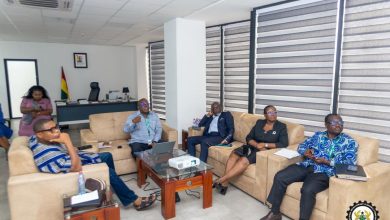
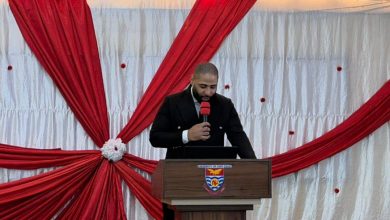
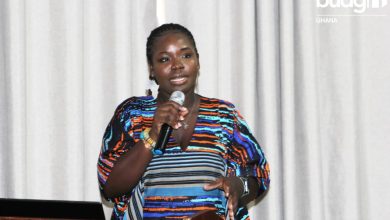
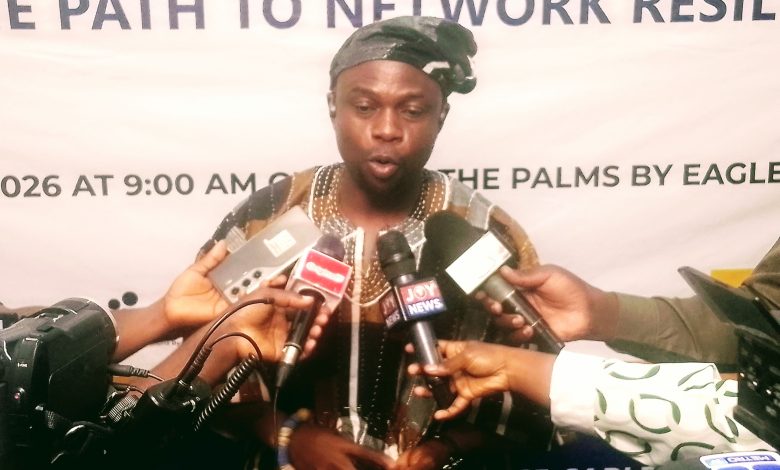
Speaking during a press interaction at the 2026 Submarine Cable Awareness Week celebration held at the Palms by Eagles, Airport City, Accra, Ing. Ayiku stressed that submarine cables remain vital “gateways to the world” and any disruption can have far-reaching consequences for the economy and daily life.
Reflecting on the March 14, 2024 incident, he noted that the country experienced widespread digital disruption, including the inability to send messages on WhatsApp, transfer money, or access banking applications.
“We want everyone in this country to know of the existence of this infrastructure. It is critical, and when the incident happened in March 2024, we saw the impact. Nothing was working,” he said.
Ing. Ayiku cautioned fishing operators and trawler vessel crews to exercise extreme care when operating near submarine cables, warning against dragging nets in such areas. He explained that the cables also carry high electrical power, posing serious safety risks to those who come into contact with them.
“When nets get hooked onto these cables, operators should stop immediately and seek guidance instead of attempting to pull them,” he advised.
According to him, Ghana currently hosts six submarine cables, including SAT-3, WACS, MainOne, Glo-1, ACE, and the incoming 2Africa cable, all of which are managed collectively by operators under the association to enhance coordination and protection of the ecosystem.
He further expressed concern over the low penalties imposed on individuals or entities that damage the cables, describing them as insignificant compared to the high cost of repairs.
“Each repair operation can cost up to three million dollars due to the need for specialised vessels, which are not readily available and often have to be mobilised from abroad,” he explained.
He added that repair delays are further compounded by the logistics of sourcing spare parts, which may be located in distant countries such as South Africa, while repair vessels could be stationed in Europe.
Ing. Ayiku therefore urged policymakers to review and increase penalties to deter irresponsible activities that endanger the cables.
He emphasised that prevention remains the most effective solution, noting that avoiding damage to the cables would eliminate the need for costly and time-consuming repairs.
“We need to make sure incidents are avoided in the first place. Once that is done, we are good to go,” he said.