
Story by Eugene Nyarko Jnr. | Accra | June 3, 2026
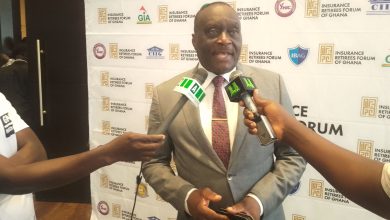
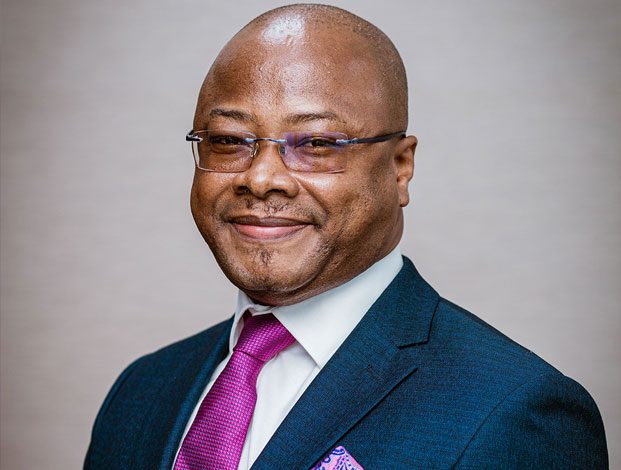
President of the Ghana Chamber of Mines, Michael Edem Akafia, has identified formalisation and mineral traceability as critical tools in Ghana’s efforts to combat illegal mining and improve revenue generation from the extractive sector.
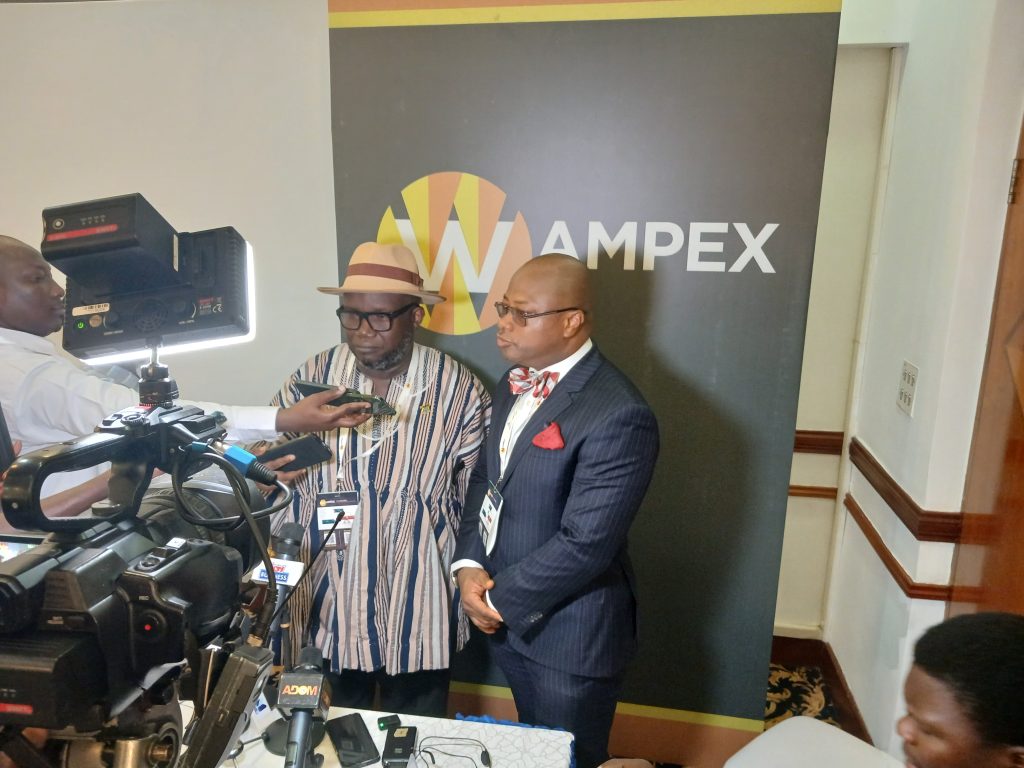
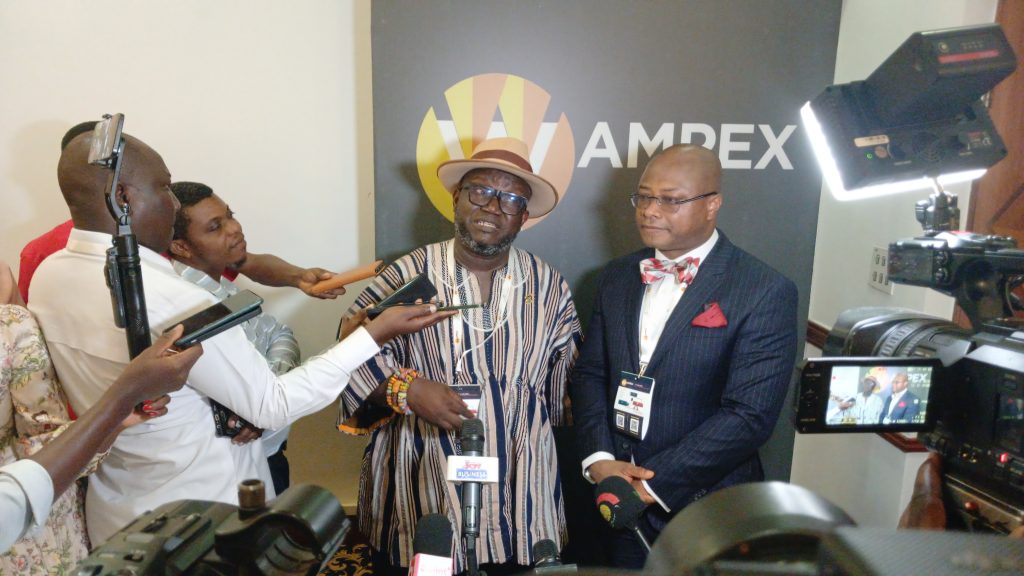
Speaking during the West African Mining and Power Exhibition and Conference (WAMPEX 2026) at the La Palm Royal Beach Hotel in Accra on Wednesday, Mr. Akafia said Ghana could learn valuable lessons from countries that have successfully addressed illegal mining challenges.
He cited Chile as a notable example, contrasting its success with neighbouring Peru, which continues to grapple with widespread illegal mining activities.
According to him, one of the key factors behind Chile’s success is the implementation of robust traceability systems that make it difficult for illegally mined minerals to enter formal markets.
“Tracing is done in a way that ensures that if you engage in illegal mining, you are effectively locked out of the financial system and the formal supply chain,” he explained.
Mr. Akafia said Ghana could adopt similar systems using modern technologies such as blockchain to track the origin and movement of gold throughout the supply chain.
He noted that an effective traceability framework would provide transparency and accountability while discouraging illegal mining activities.
Drawing parallels with the Kimberley Process that was introduced to combat the trade in conflict diamonds, he said a gold traceability system could help eliminate illicit mineral trade and strengthen confidence in Ghana’s gold exports.
Mr. Akafia further disclosed that the Ministry responsible for the mining sector has engaged large-scale mining companies on the possible surrender of portions of their concessions to support formalised small-scale mining activities.
However, he stressed that the Chamber would only support such arrangements if they form part of a comprehensive framework aimed at formalising artisanal and small-scale mining operations.
“We do not want concession relinquishment for its own sake. It must be part of a structured process that brings miners into a regulated environment,” he stated.
Mr. Akafia observed that although artisanal and small-scale mining contributed 52 per cent of Ghana’s gold production last year, the sector’s contribution to government revenue remains disproportionately low.
He said the resulting gap between production and tax revenues represents significant economic rent lost to the state.
According to him, bringing artisanal miners into the formal economy would ensure compliance with regulations, improve tax collection and increase government revenue.
Mr. Akafia maintained that formalisation remains one of the most sustainable solutions to illegal mining and will help ensure that Ghana derives maximum value from its mineral resources while promoting responsible mining practices.