
National Commercial Tricycle Riders Union Lauds Government, Appeals for Reduced Licence Fees and Designated Stations

Story by Eugene Nyarko Jnr. l Kasoa l Wednesday, January 14, 2025
The leadership of the National Commercial Tricycle Riders Union (NCTRU), LBG, has praised the government for legalizing commercial tricycle operations, popularly known as Pragya, and appealed for further support to help regulate the sector and improve livelihoods.
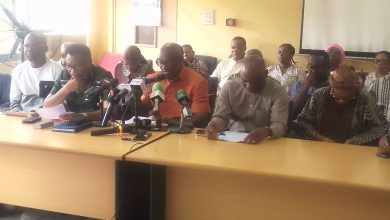
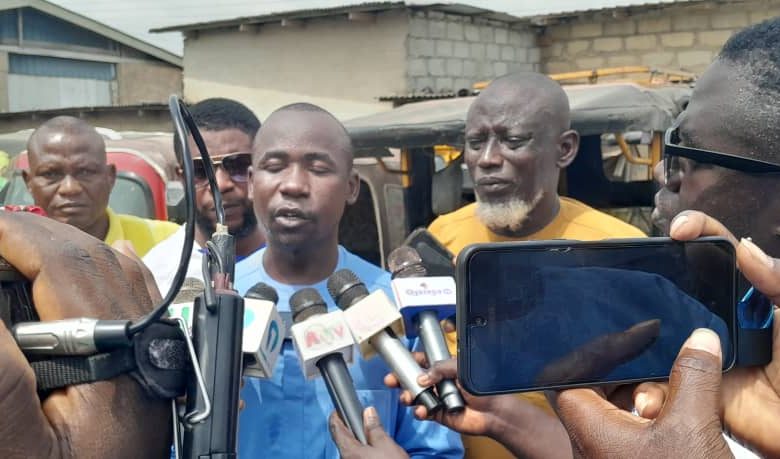
Speaking at a press conference in Kasoa, the Chairman and Founder of the Union, Mr. Mustapha Ibrahim, expressed gratitude to the President for listening to the concerns of tricycle operators and formally recognizing their business.
“We thank the President and the government for legalizing this business. With government support, we will do our best to regulate the operations of Pragya riders across the country,” Mr. Ibrahim stated.
He announced that the National Commercial Tricycle Riders Union is a newly formed organisation, established to bring all commercial tricycle riders under one umbrella to promote order, discipline, and professionalism. According to him, members of the union’s executive and cabinet were present at the briefing.
Mr. Ibrahim called on the government to continue engaging with the union, stressing that without state support, effective regulation would be difficult. He also appealed for the allocation of designated parking and loading stations for tricycle riders, particularly in congested areas such as Walantu in Kasoa.
“Walantu is heavily congested, and the lack of proper stations creates problems for both riders and the public. If the government provides us with designated areas at lorry stations, it will help ease congestion,” he said.
On operations, the Chairman explained that while riders seek the freedom to operate on more routes following the legalisation, the union does not support the use of highways by tricycles. He mentioned roads such as Kakraba and Nyanyanu as examples of routes riders hope to access, while reiterating that highways remain off-limits for safety reasons.
Touching on clashes between riders and law enforcement, Mr. Ibrahim described the police as key partners in regulating the business. He admitted that many riders currently lack valid riding licences and proper documentation but assured the public that the union is taking steps to regularize its members.
“We know that many of our riders do not yet have licences, but we are working on it. Once our members have riding licences and proper vehicle registration, there will be fewer problems with the police,” he said.
He appealed to the government to reduce the cost of acquiring a riding licence, which he said is currently about GH¢1,500, noting that the high cost makes it difficult for many young riders to comply with the law. He explained that the union and tricycle owners have adopted a gradual savings system to help riders pay for their licences.
“If the cost is reduced, more riders will be able to get licensed, and pressure on both riders and law enforcement will reduce,” he added.
Mr. Ibrahim also highlighted the social benefits of the Pragya business, saying it has helped reduce unemployment and crime in Kasoa by providing daily income opportunities for the youth.
“This business gives people work every day. When young people are working and earning, crime reduces,” he noted.

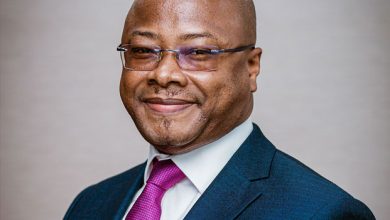
On his part, the National Public Relations Officer of the Union, Mr. Emmanuel Adjetey, echoed the call for reduced licence fees and improved infrastructure for riders. He said the high cost of licences remains the biggest challenge facing tricycle operators since the legalisation of the business.
“When the DVLA reduces the licence cost, many riders will be able to afford it. Most of the harassment riders face is because of licence issues,” he said.
Mr. Adjetey also stressed the need for designated tricycle stations in major towns such as Kasoa, Accra, and Kumasi, where congestion and lack of space continue to create challenges for riders and city authorities.
He further disclosed that the union is legally registered and holds a Certificate of Incorporation from the Registrar-General’s Department, issued in June last year, which allows it to operate formally and engage authorities on behalf of its members.
Both leaders reaffirmed the union’s commitment to working with government agencies, including the DVLA and the police, to ensure safe, orderly, and professional commercial tricycle operations across the country.