

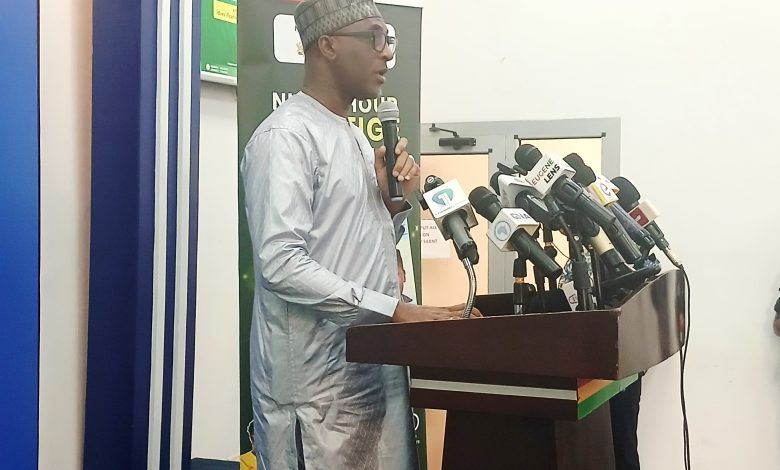
By Eugene Nyarko Jnr., ISD, Accra —
The Minister for the Interior, Hon. Muntaka Mohammed-Mubarak, has announced the full implementation of the National Identification Register (Amendment) Regulation, 2026, Legislative Instrument (LI) 2523, aimed at strengthening the protection of personal data and the integrity of Ghana’s national identification system.
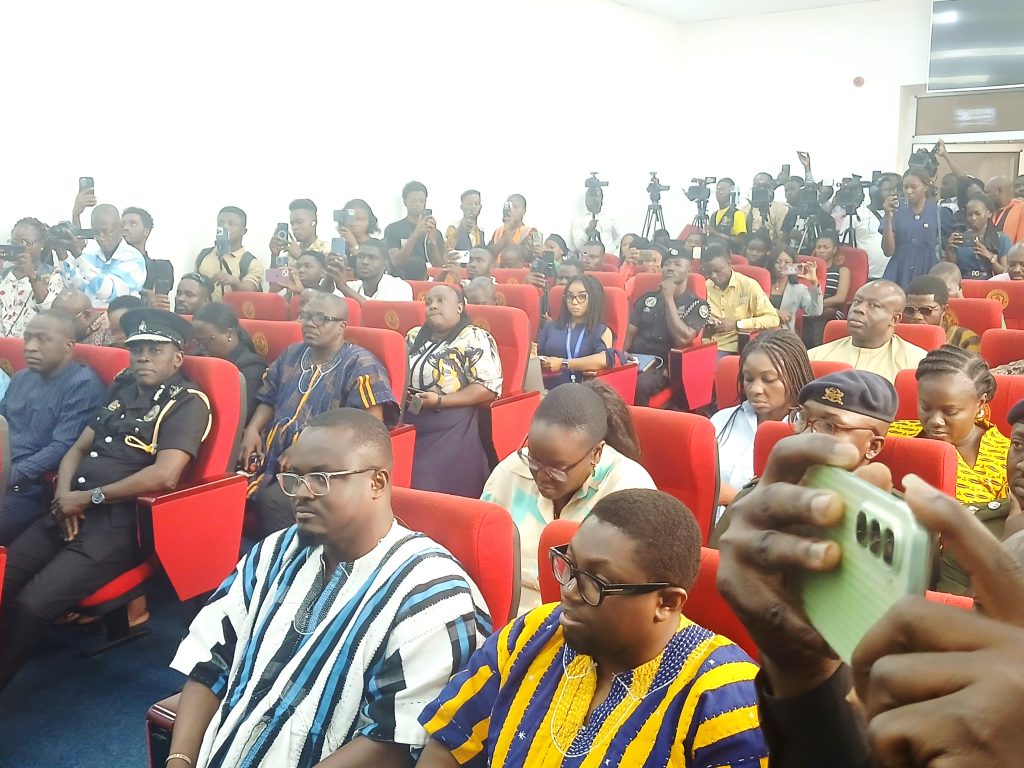
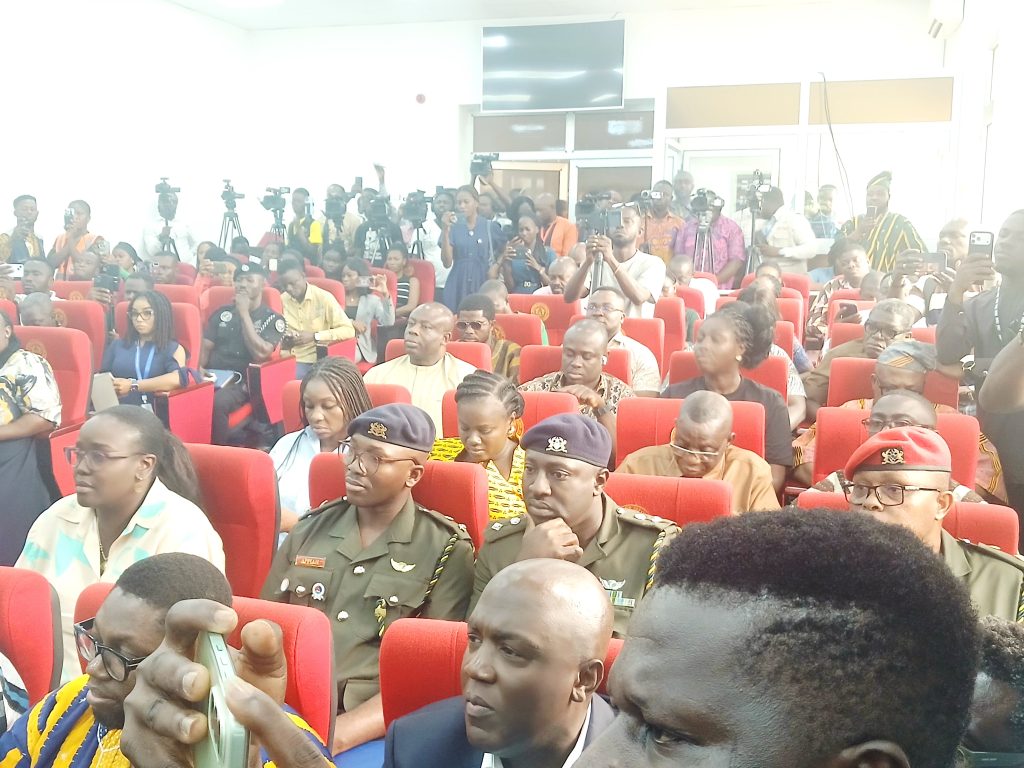
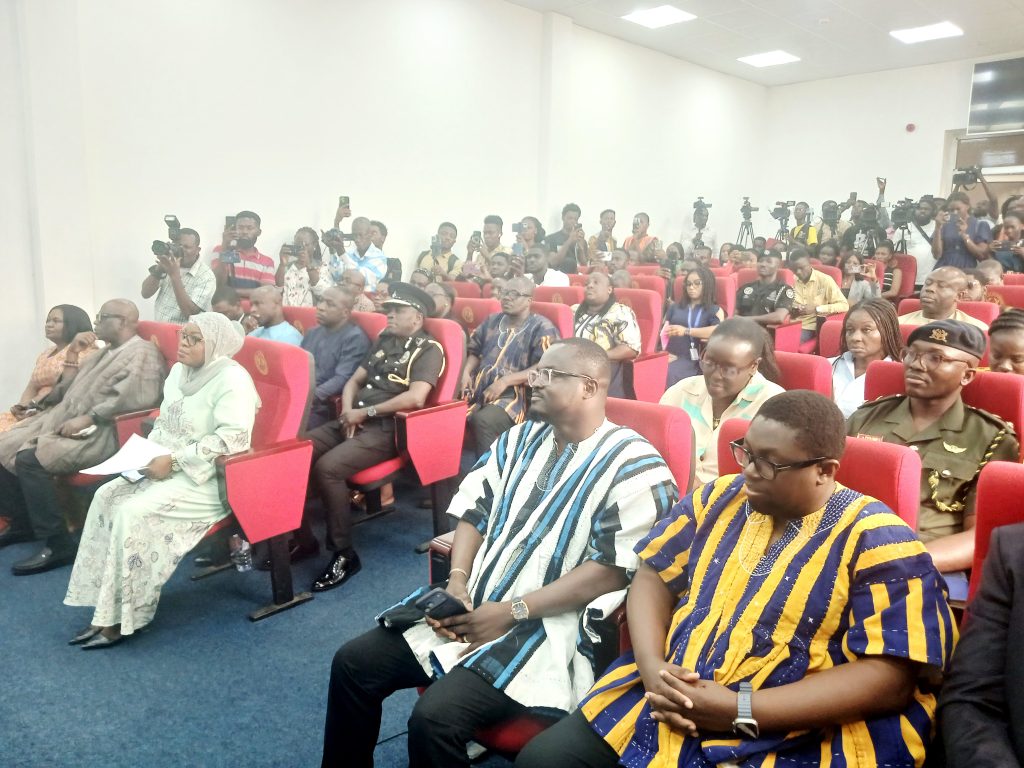
Speaking at a press conference at the Information Service Department (ISD), Accra, the Minister said the regulation, signed on March 2, 2026, gazetted on March 27, and brought into force on June 9, 2026, makes biometric verification the mandatory standard for confirming a person’s identity.
The LI amends the National Identity Register Regulations, 2012 (LI 2111), and effectively ends the practice of relying solely on visual inspection, photocopying, scanning or retaining images of the Ghana Card as acceptable means of identity verification.
According to the Minister, biometric verification will confirm that the individual presenting the Ghana Card is its rightful owner, while reducing the risk of personal data being altered, misused or circulated without the knowledge or consent of cardholders.
Under the new regulation, organizations conducting transactions listed under Regulation 7 of LI 2111 must verify identities through biometric authentication against the National Identity Register or through machine-readable card verification using devices approved by the National Identification Authority (NIA).
Organizations are prohibited from requesting, relying on, retaining or reproducing photocopies, scanned copies or images of the Ghana Card for verification purposes. They are also prohibited from using biometric methods that have not been approved by the NIA.
Hon. Muntaka further noted that individuals confirming another person’s identity in private or informal transactions must, where practicable, use biometric verification and must not retain, record or share images or data from the Ghana Card except as permitted by law or with the cardholder’s consent.
He added that a person who, without reasonable excuse, refuses to allow a law enforcement officer or other authorised person to scan a fingerprint or take a live picture for verification could commit an offence.
Organizations that fail to comply with the regulation risk thousands of penalty units, as well as suspension or termination of access to the NIA’s Identity Verification System platform. Individuals who misuse a Ghana Card or refuse lawful verification may also face fines, imprisonment, or both.
To enforce the new requirements, the NIA is expected to establish a dedicated compliance and enforcement team to conduct checks, investigate reported breaches and work with law enforcement agencies to ensure nationwide compliance.
The Minister said the government recognises that the new system represents a significant change for businesses and institutions and has therefore granted a three-month transition period, from July 27 to November 2, 2026, for organizations to establish the necessary infrastructure, protocols and staff training.
He, however, stressed that the transition period does not suspend or waive the obligations under LI 2523, and institutions are expected to begin compliance measures immediately and achieve full compliance by the end of the period.
Hon. Muntaka urged banks, telecommunications companies, insurance firms, hospitals, schools, government agencies and other organizations that verify identities as part of their operations to begin or complete the process of being onboarded onto the NIA’s Identity Verification System without delay.
He also assured Ghanaians that they have the right to expect their Ghana Cards not to be casually photocopied, scanned or filed away by organizations, adding that citizens may decline requests to copy their cards where biometric verification is required.
“This law exists to protect you, not to ban you,” the Minister said, stressing that LI 2523 is intended to strengthen Ghana’s national identification system and safeguard the personal data of citizens and residents.