

AfDB’s Dr. Joy Kategekwa urges full implementation of protocol on women and youth in trade to unlock AfCFTA’s potential


By Eugene Nyarko Jnr. l Accra l February 4, 2026
Dr. Joy Kategekwa, Director of the Regional Integration and Trade Coordination Office at the African Development Bank Group (AfDB), has called for urgent action to ensure that the African Continental Free Trade Area (AfCFTA) delivers on its promise of inclusive economic growth, particularly for women and youth entrepreneurs.
She made the call while contributing to the panel session at the 2026 Africa Prosperity Dialogues (APD) on the topic, “Building an Inclusive AfCFTA” at the Accra International Conference Centre (AICC) on Wednesday, 4th February, 2026.
Dr. Kategekwa emphasized that without the Protocol on Women and Youth in Trade, the AfCFTA risks becoming “an instrument to spectate at” rather than a driver of continental development. She explained that the protocol was designed to bring African women and youth to the center of trade policy, moving from a top-down “trickle-down” approach to a bottom-up strategy that legislates in their favor.
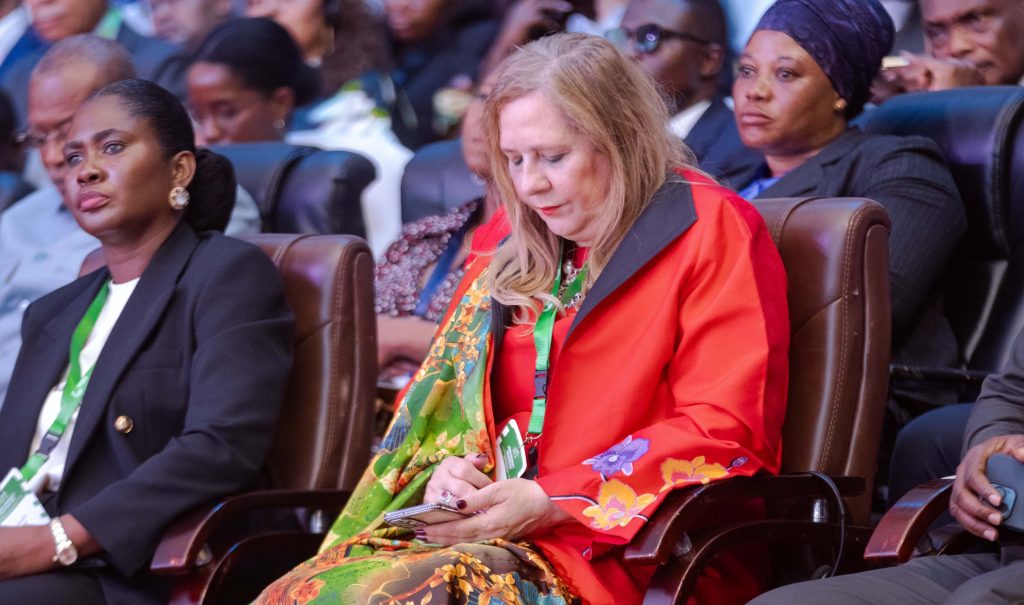
“The Protocol on Women and Youth in Trade ensures that governments invest in entrepreneurs, resolve bottlenecks, and move trade from the margins to the mainstream,” Dr. Kategekwa said. She stressed that African women and youth are already active players in intra-African trade, contributing to sectors such as textiles, leather, design, and jewelry.
Citing examples of women-led enterprises across the continent, she noted the ingenuity of entrepreneurs in Chad, Kenya, and other African countries, stressing that these businesses have the potential to scale if given the right support. The protocol, she explained, is the result of extensive consultations across 28 African cities to understand the practical needs of women entrepreneurs and develop interventions that address challenges in logistics, market entry, finance, and trade facilitation.
Dr. Kategekwa warned against complacency, stressing that trade agreements alone do not create impact. “The true celebration should not be in signing treaties, but in the rise of intra-African trade volumes and value,” she said. To this end, the AfDB has introduced the Affirmative Finance Action for Women in Africa (AFAWA), which provides targeted financing for women entrepreneurs, including those in textiles, leather, and automotive sectors.
She also highlighted ongoing efforts to establish a new financial architecture to channel resources directly to national development banks, enabling them to support women at the grassroots level. Dr. Kategekwa urged all stakeholders to focus on measurable outcomes, ensuring that the AfCFTA becomes a transformative engine for inclusive trade across the continent.
“The risk of slippage is real if we treat the protocol as self-executing. We must invest smartly, monitor impact, and ensure that African women and youth move from potential to productivity,” she said.