
Data Is the New Gold — But Who Is “Galamsey-ing” It? Beyond AI Movement Sparks Debate in Accra

Story by Eugene Nyarko Jnr. l Accra l Saturday, February 28, 2026
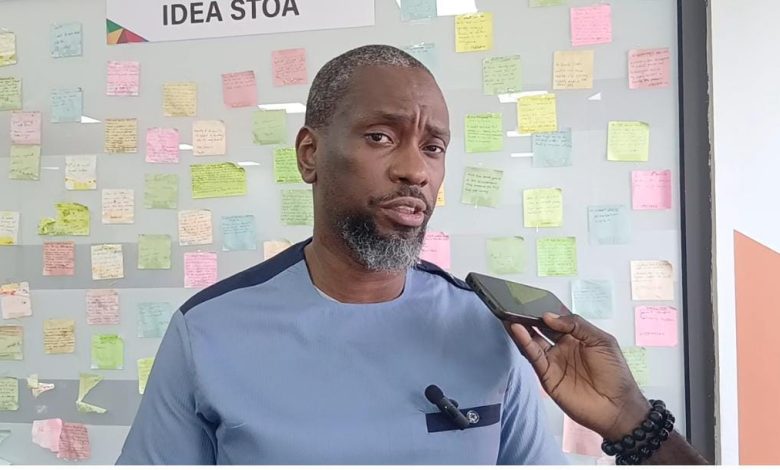
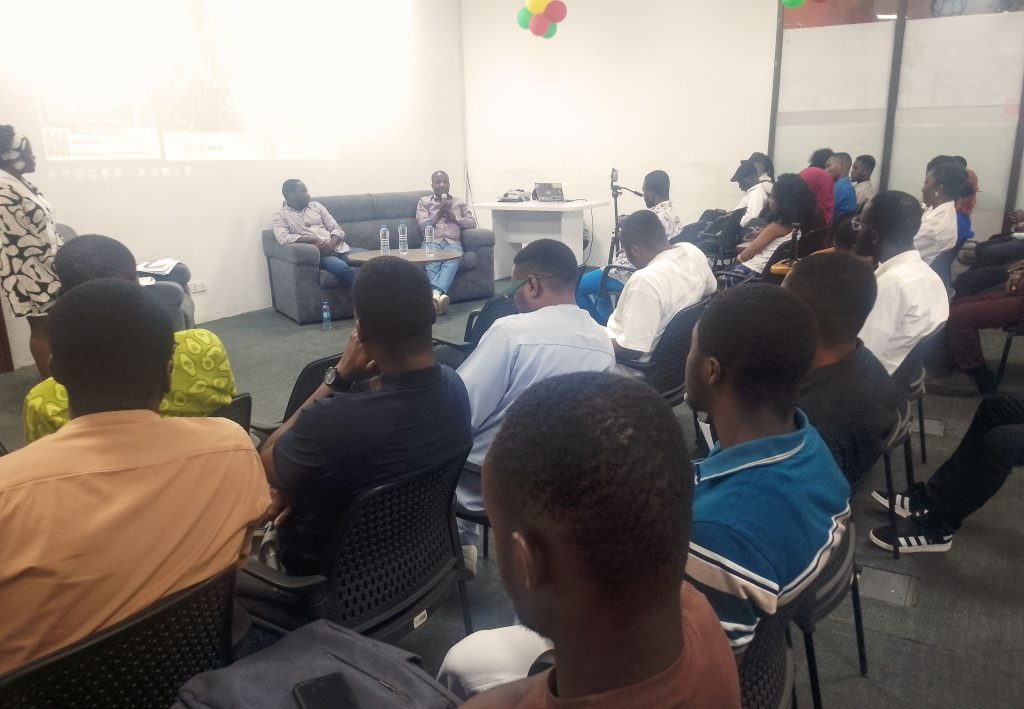
Concerns over the exploitation of personal data in the digital age took centre stage at the Accra Digital Center on Saturday, as technology policy advocate Kambale Musavuli urged Ghanaians to see their data as a valuable national resource deserving protection.
Speaking during a workshop themed “Data is the new gold; But who is galamsey-ing it?”, Mr. Musavuli — Managing Director of Aether Strategy and Founder of the Beyond AI Movement — said artificial intelligence (AI) conversations often miss the most critical component: data.
“The most important thing is not even the AI technology itself; it is the data that AI models use,” he explained. “Ordinary citizens are part of the AI ecosystem, but many do not even know the discussions happening around their data.”
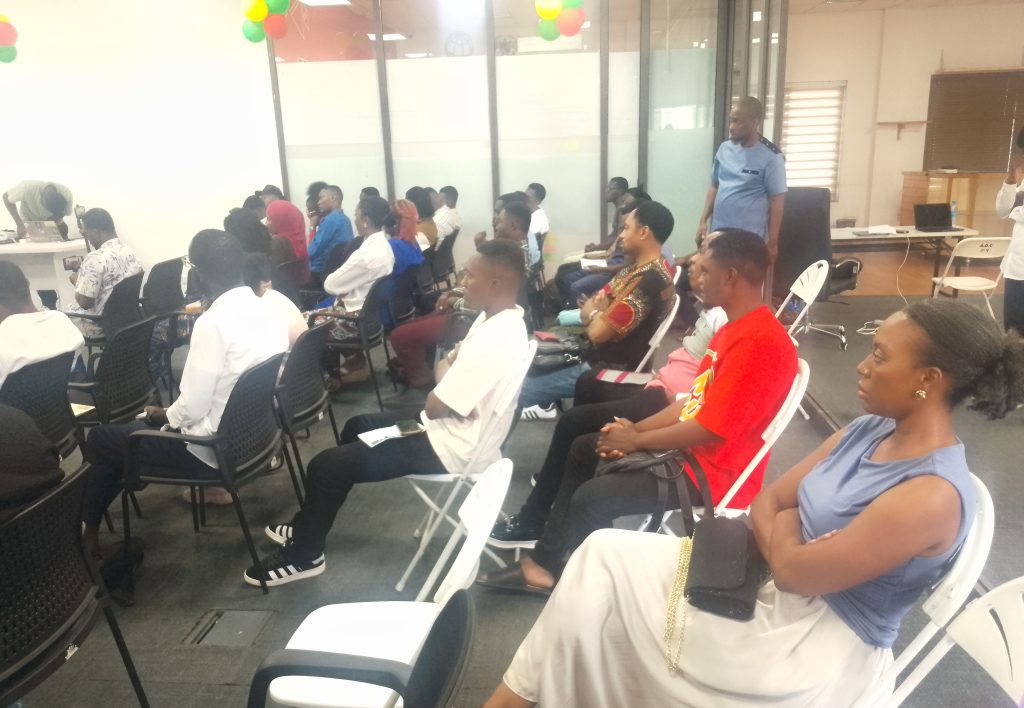
The workshop, part of the Beyond AI initiative launched last year, seeks to demystify artificial intelligence and make discussions around emerging technologies accessible to everyday citizens. According to Mr. Musavuli, the movement was established to bridge the gap between experts and the public on complex digital issues.
Using the analogy of illegal small-scale mining — locally known as galamsey — he likened the unchecked harvesting of personal data by global technology firms to the extraction of gold without equitable benefit to citizens.
“People willingly give away their data on social media platforms, hoping to make some income,” he said. “But the companies are making far more than the users ever will. The value of that data does not benefit the people who generate it.”
He noted that many users sign up to platforms without understanding that their online activities, preferences and personal information are monetised. The workshop therefore aimed to empower participants to make informed decisions about what they share online and to demand stronger protections from policymakers.
Mr. Musavuli pointed to global examples where data has been legally recognised as a national resource, attracting regulatory safeguards similar to those applied to minerals such as gold and diamonds. He argued that African countries, including Ghana, must adopt a similar posture.
“If we are worried about galamsey and how our gold is extracted, we must also worry about how our data is extracted for free,” he said. “Data has value, and it is not currently benefiting the Ghanaian people.”
He revealed that approximately 13 bills related to data protection and cybersecurity are currently before Parliament, but warned that the existing legal framework is outdated and inadequate to address modern AI systems, including advanced models such as Claude developed by Anthropic.
“Our data protection laws are archaic. With the sophistication of today’s AI models, the legal framework needs urgent updating,” he stressed.
Mr. Musavuli further cautioned that multinational technology companies often lobby governments during legislative processes, influencing policy directions in ways the general public may not be aware of. He therefore called for greater public participation in parliamentary consultations on digital policy reforms.
“The ordinary citizen does not even know the process exists,” he noted. “By informing the public, they can begin to ask their policymakers critical questions — Is data considered a national asset? How will updated laws protect it?”
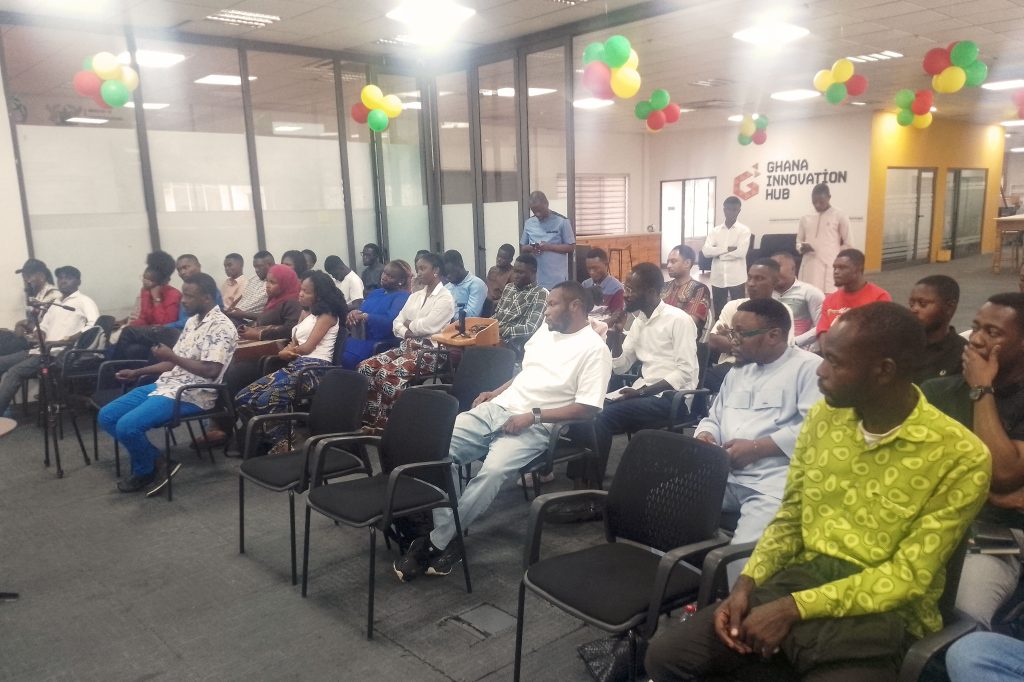
The interactive nature of Saturday’s event saw participants actively challenging speakers and steering discussions toward practical concerns affecting them — an outcome Mr. Musavuli described as the workshop’s most significant success.
The Beyond AI Movement plans to hold monthly public engagements and a major conference scheduled for August 14–15, 2026, to sustain dialogue around artificial intelligence and digital governance.
“We call it Beyond AI because when people hear AI, they get scared,” he said. “They think only about deepfakes or job losses. But AI is much broader than that. Citizens must understand both the risks and the opportunities — and they must have a voice in shaping the policies that govern it.”
He emphasised that the movement is not a one-off event but a sustained civic education campaign aimed at ensuring Ghanaians are not passive participants in the digital economy but informed stakeholders in the value their data creates.