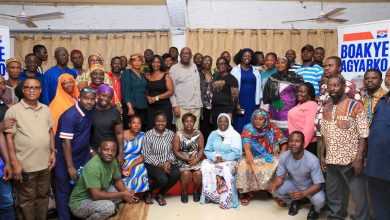

E/R: Government to Train 10,000 Youth Under National Apprenticeship Programme – Emmanuel Ofori Asante

By Eugene Nyarko Jnr. l Fanteakwa
The Eastern Regional Director of the National Apprenticeship Programme, Emmanuel Ofori Asante, has disclosed that government will train 10,000 Ghanaian youth in 2026 under the initiative as part of efforts to reduce unemployment and equip young people with employable skills.
According to Mr. Asante, although the programme initially targeted 10,000 beneficiaries in 2025, the increasing number of unemployed youth without formal skills has necessitated an expansion of the initiative.
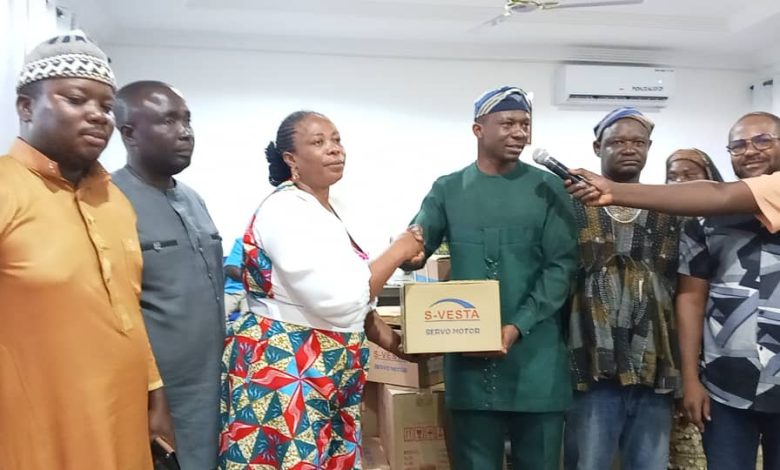
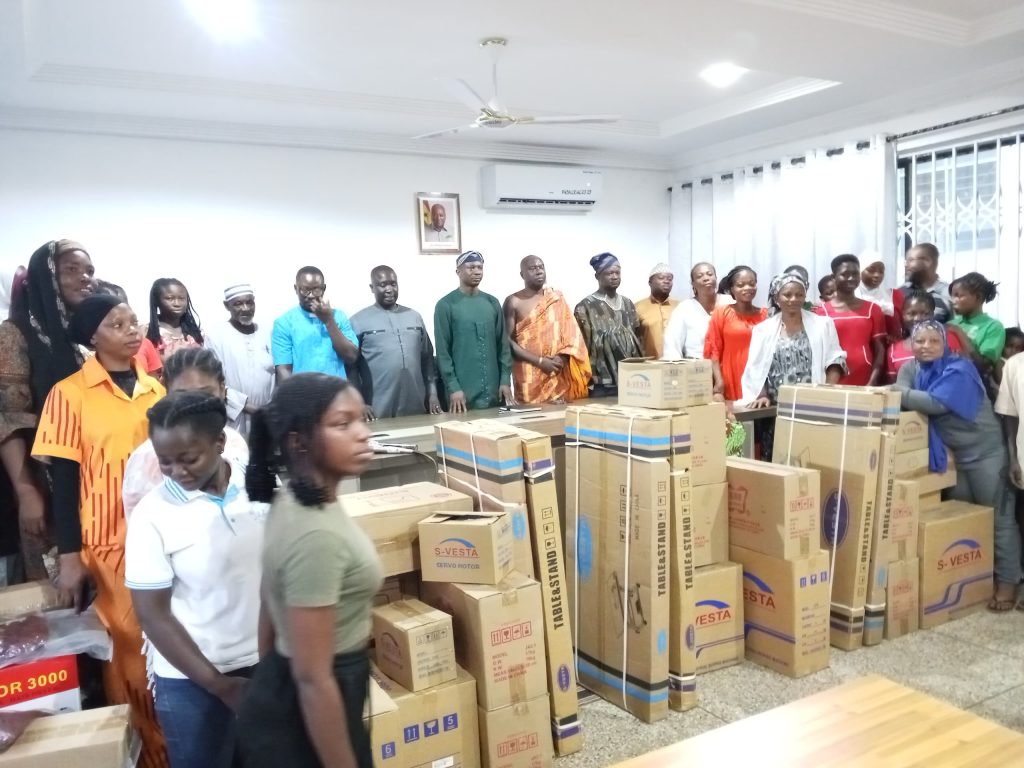
He made this known during the presentation of learning kits to beneficiaries at the Fanteakwa North District Assembly. Mr. Asante observed that for many years, successive governments concentrated on providing allowances for teacher and nursing trainees, while little attention was given to young people outside the formal education system.
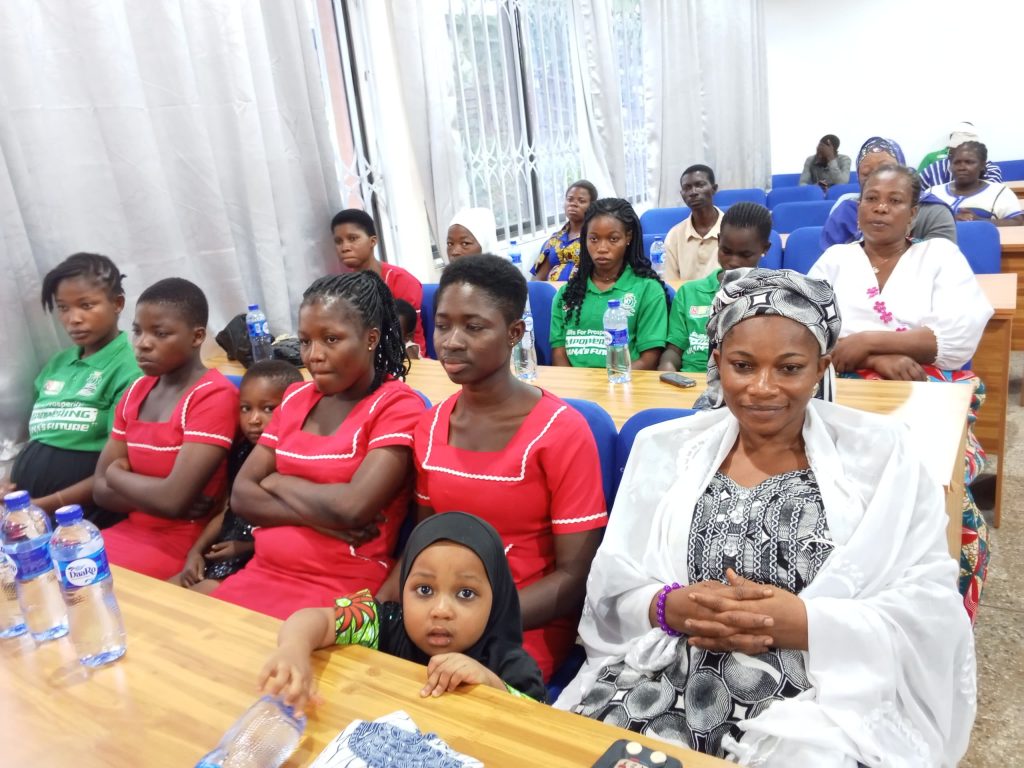
He, however, commended John Dramani Mahama for increasing the programme’s scope from 10,000 to 100,000 beneficiaries nationwide, a move he said would empower more youth to become self-reliant and economically productive.
The District Chief Executive for Fanteakwa North, Abubakar Osman, cautioned master craftsmen and madams engaged under the programme to ensure that the tools provided are used strictly for training purposes. He warned that any trainer who fails to utilize the equipment appropriately would face sanctions.
Also addressing the gathering, the Ankobeahene of Begoro, Barfuor Owiredu Agyarko Minta II, appealed to government to sustain the initiative to continuously support the youth. He advised beneficiaries to take their training seriously, make good use of the items received, and remain obedient to their instructors.
The learning kits distributed included tools for hairdressing, carpentry, masonry and dressmaking.
Some of the beneficiaries expressed gratitude to President Mahama and the Municipal Chief Executive for the opportunity, describing the support as a life-changing intervention that would enable them to acquire skills and improve their livelihoods.