
Ghana Holds Maiden National Men’s Conference on Positive Masculinity— Gender Minister Calls for Collective Action to End Violence Against Women and Girls

Story by Eugene Nyarko Jnr | Accra l Friday, December 12, 2025
The maiden National Men’s Conference on Positive Masculinity to End Violence Against Women and Girls opened in Accra with a resounding call for men and boys across Ghana to take active leadership roles in promoting gender equality, peace and social justice.
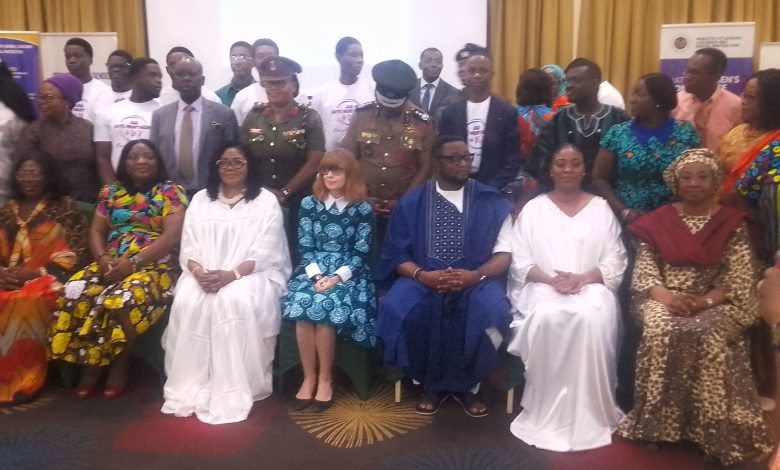
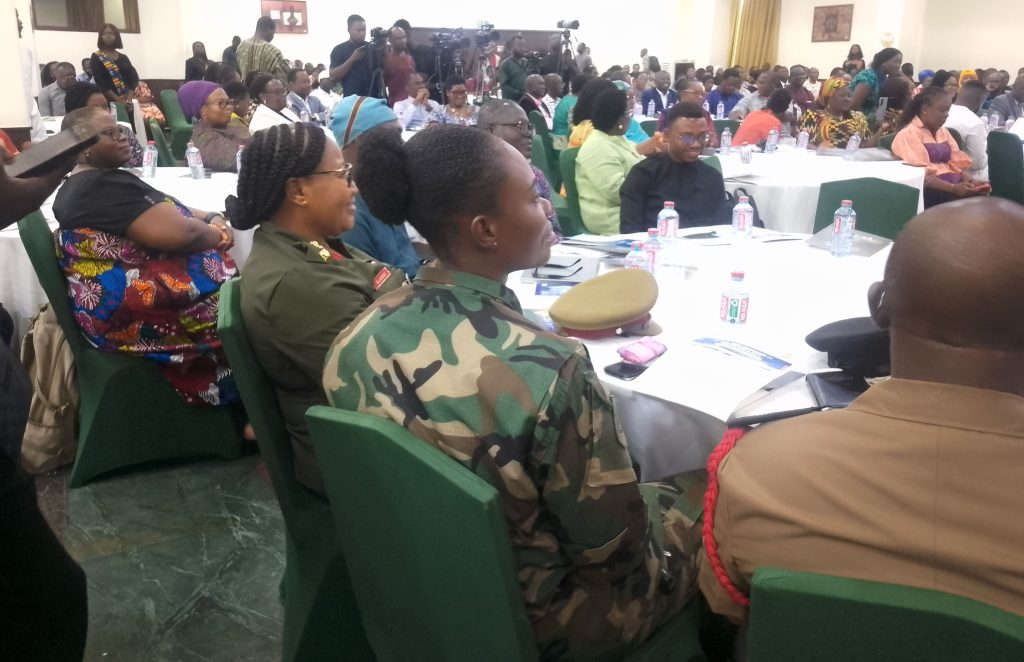
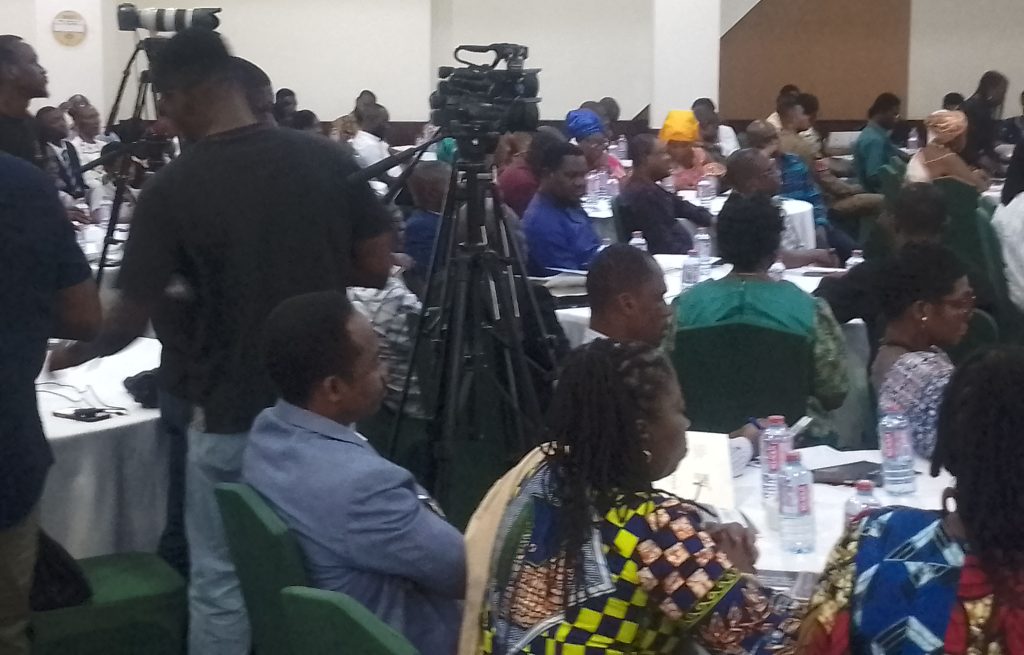
Held at the Alisa Hotel, the conference brought together government officials, traditional rulers, faith leaders, development partners, civil society organisations, academia, security agencies and student groups—all united under one objective: redefining masculinity and eliminating gender-based violence in Ghana.
“Men are essential to the solution” — Gender Minister
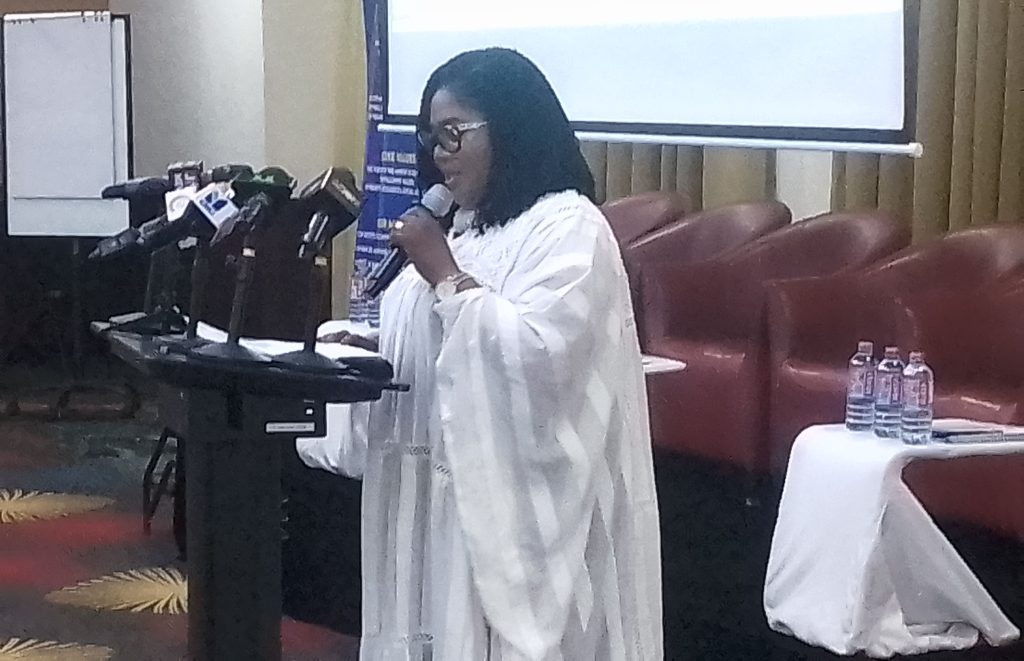
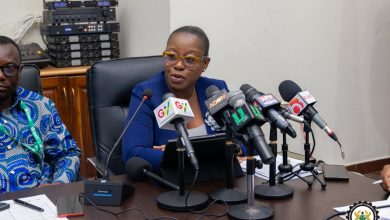
Delivering the keynote address, the Minister for Gender, Children and Social Protection, Hon. Dr. Agnes Naa Momo Lartey, underscored the central role men must play in achieving a just and equal society.
“It is a great honour to join you for this maiden national conference,” she said. “Your presence here affirms one truth: men are not only part of the conversation—they are essential to the solution.”
Dr. Lartey noted that harmful stereotypes, mental health pressures, unemployment and societal expectations have created new dimensions of vulnerability for men and boys, which must be acknowledged alongside the protection of women and girls.
“Positive masculinity is not about diminishing men,” she stressed. “It is about creating an environment where men are free to express themselves, seek help when needed, and lead with empathy, responsibility and respect.”
The Minister highlighted several government interventions, including mentorship programmes, men and boys clubs, the National Framework for Engaging Men and Boys, the Orange Support Centre and mobile application for rapid GBV response, and domestic violence response centres.
She also acknowledged the rising cases of men and boys suffering abuse—a concern earlier raised by advocacy groups.
“Violence is not one-sided,” she said. “Our advocacy must protect every individual from all forms of violence, regardless of gender.”
Dr. Lartey reaffirmed President John Dramani Mahama’s role as the AU Gender Champion, describing him as a “worthy role model” for positive masculinity.
Office of the President: “We must re-engineer the cultural blueprint of manhood”
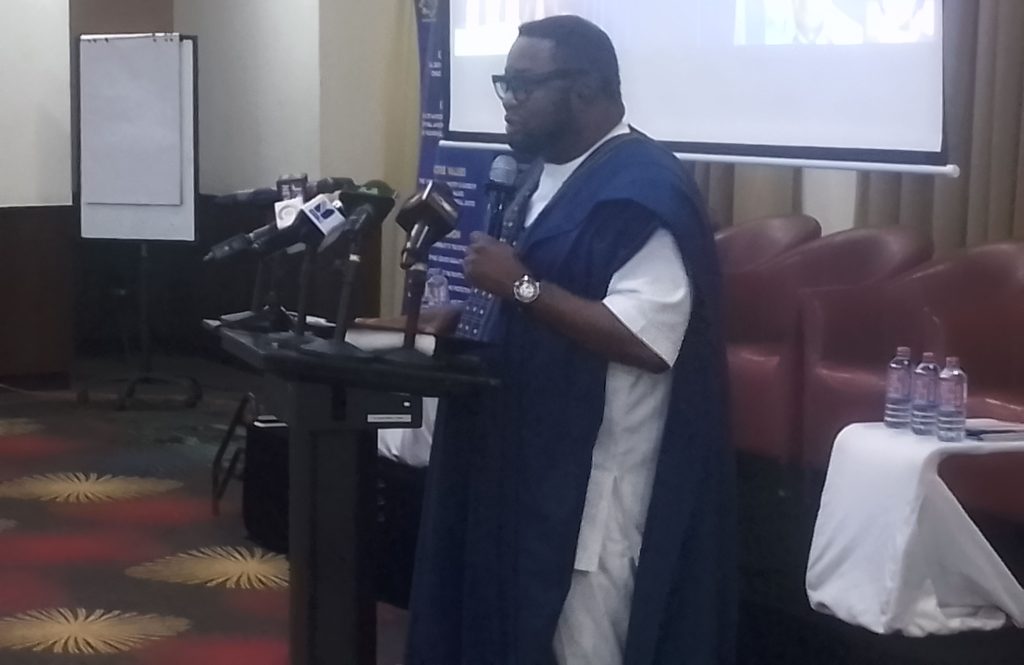
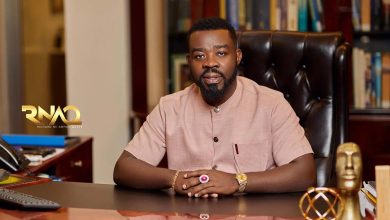
Representing the Chief of Staff, Elvis Fiifi Afriyie Ankrah delivered a powerful address centred on redefining the values of manhood in modern Ghana.
He described the conference as “a national mirror” requiring the country to re-examine who men have become and who they must aspire to be.
Using a symbolic story of a father teaching his son patience and responsibility through planting a seed, he said Ghana is now planting a new seed—positive masculinity.
“Every act of gender-based violence weakens the soul of our nation,” he declared. “When men speak up, cultures shift. When men challenge harmful norms, boys listen.”
He emphasized that positive masculinity empowers men rather than weakens them.
“A man who uses fear to command respect is not powerful; he is wounded. Real strength is responsibility.”
He also called for strong involvement from faith communities, traditional authorities and male role models, noting their influence in shaping values across generations.
On behalf of the Chief of Staff, he pledged full support from the Office of the President for all initiatives promoting positive masculinity and ending violence against women and girls.
Australia Commends Ghana’s Leadership and Shares Lessons
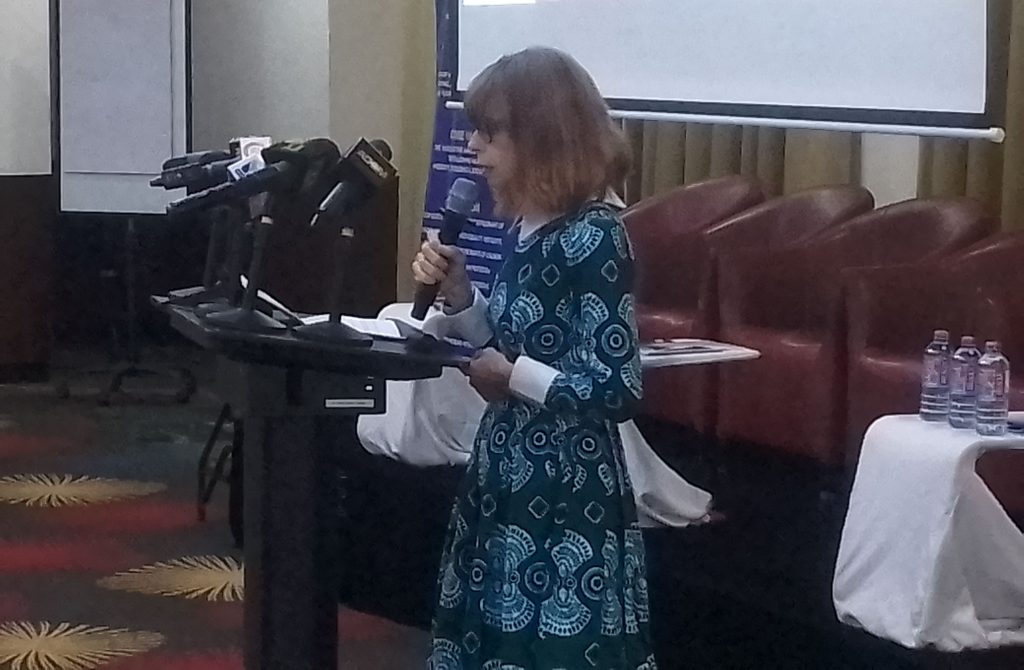
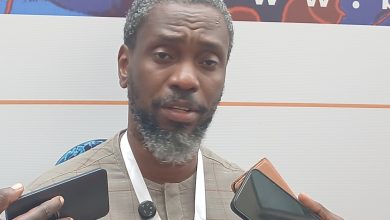
The Australian High Commissioner to Ghana, Berenice Owen-Jones, praised Ghana for taking a bold step to address harmful gender norms, noting that both countries face similar challenges.
She highlighted the growing influence of digital platforms on boys, where online personalities increasingly glamorise misogyny.
Drawing from Australia’s two-decade journey in preventing violence, she emphasized that violence is preventable, but requires transforming attitudes in homes, schools, workplaces, sports and online platforms.
“Some of the strongest examples of positive masculinity in Australia come from our Indigenous communities, where respect for women and community responsibility define leadership,” she noted.
She urged Ghana to leverage its rich cultural structure—chiefs, faith leaders, musicians, athletes and public figures—to champion healthy models of masculinity.
“Imagine footballers, musicians, actors and traditional leaders all speaking with one unified voice. Ghana has tremendous potential,” she said.
A National Call to Action
Across all speeches, a single message echoed:
Ending gender-based violence requires men to lead the charge—not as perpetrators, but as partners, protectors and peacemakers.
The conference concluded with a call for:
- mentorship programmes for boys
- emotional and psychological support systems for men
- community campaigns promoting healthy masculinity
- safe spaces for honest dialogue
- involvement of religious and traditional leaders
- male role models championing equality
- national collaboration across all sectors
As Ghana plants the seed of positive masculinity, the hope is for future generations to harvest a nation defined by respect, equality, peace and social justice.