
Story by Eugene Nyarko Jnr. l Accra, Ghana l Wednesday, December 3, 2025
Former President of the Ghana Union of Traders Associations (GUTA), Dr. Joseph Obeng, has reaffirmed the business community’s strong support for the national port disinfection programme, describing it as one of the most impactful and widely accepted government interventions in recent years.
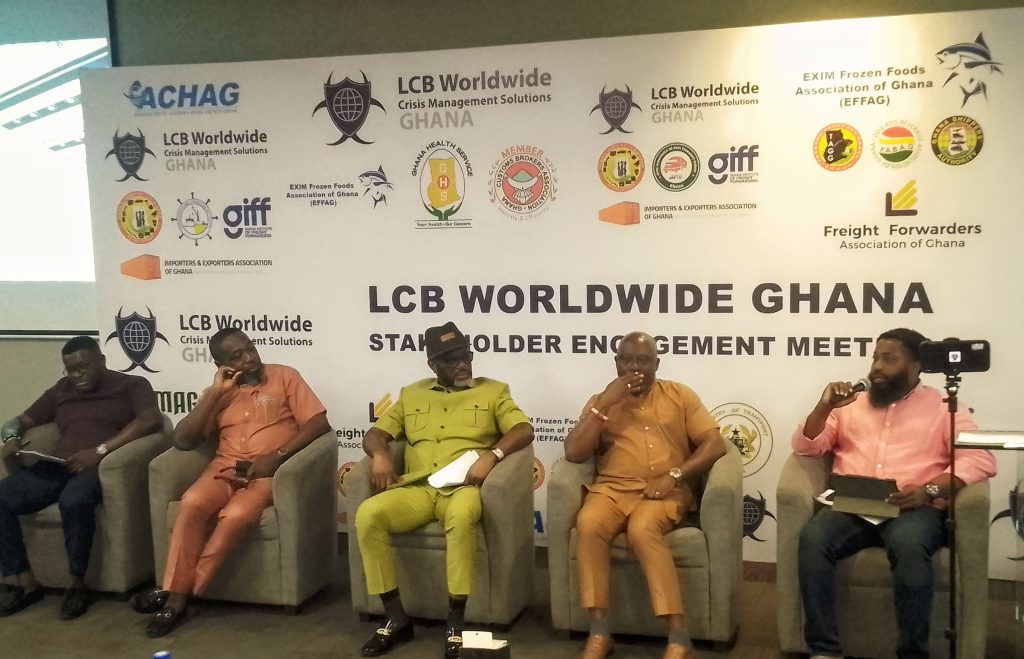
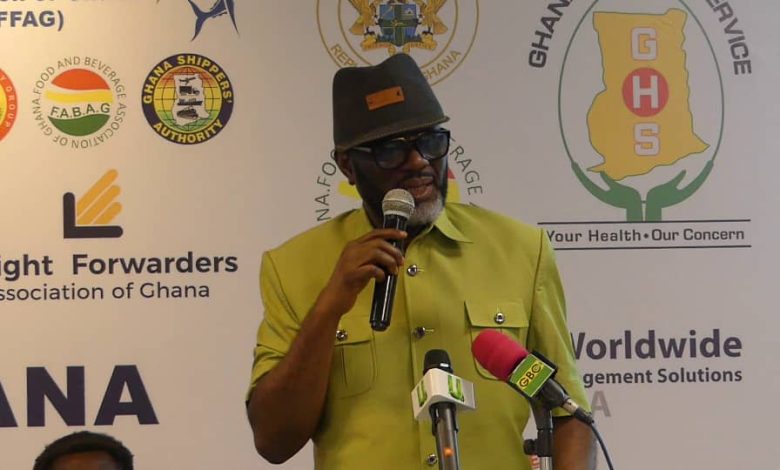
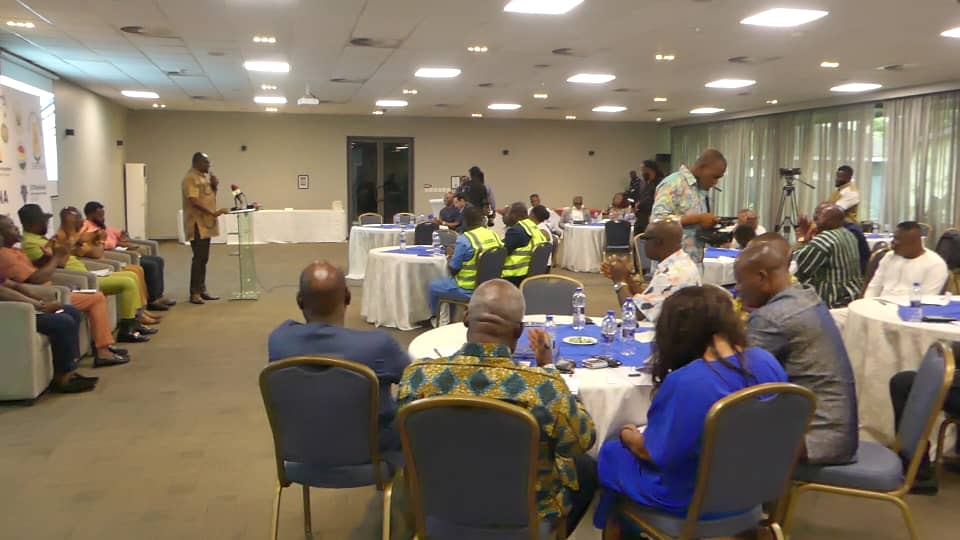
Speaking during a press interview at the LCB Worldwide Ghana Ltd. Stakeholder Engagement Meeting held on Wednesday at the Fiesta Royale Hotel in Accra, Dr. Obeng recounted how initial agitation surrounding the programme gave way to overwhelming endorsement once stakeholders were educated by the Ministry of Health.
“When the disinfection programme was introduced, people did not understand it until the Ministry of Health educated us,” he said. “Immediately, we bought into it because it made sense. The containers we import carry pathogens, and these must be addressed at the port before they reach our households.”
A Programme “Owned” by Stakeholders
Dr. Obeng explained that the business community not only embraced the initiative but also played a key role in strengthening it, insisting on a corporate social responsibility (CSR) component to further expand its benefits.
“We insisted that they include CSR so that disinfection could extend beyond the ports to marketplaces and even secondary schools,” he noted. “We own this programme together. That is why stakeholders accepted it wholeheartedly — because the benefits are direct.”
According to him, the relationship between traders and LCB Worldwide Ghana has made it possible to maintain fair pricing and engage constructively whenever concerns arise, particularly during periods of economic difficulty.
Health and Economic Benefits Evident
Dr. Obeng highlighted the significant role of disinfection in promoting safe trading environments, noting that traders spend up to 70% of their time in business spaces where sanitation is crucial.
“Just last Sunday, we were at the KGTR Market for a major disinfection exercise so that traders can work in a cleaner environment,” he said. “This extends to schools and other public spaces. We have experienced the benefits firsthand.”
He emphasized that the value of the initiative became unquestionable during the COVID-19 pandemic, as it introduced mass disinfection practices previously limited to hospitals and offices.
“Until COVID, we were not doing mass disinfection anywhere. But we’ve seen that the earlier we do this at the entry point, the better. Ghana has become a pace setter. Countries like Tanzania, Kenya, and Nigeria now want to adopt similar systems because they see something good in this exercise.”
Ghana Setting the Pace in Biosecurity
Dr. Obeng reiterated that Ghana continues to demonstrate leadership in public health and port sanitation, attracting interest from several African countries seeking to replicate its model.
He concluded by urging continuous support for the exercise, describing it as essential for safeguarding public health, ensuring safe trade, and protecting households from imported contamination.
“As long as these containers come to our households, we must ensure there are no health risks,” he said. “The sweetness of the pudding is in the eating — and we have tasted the benefits.”