
Story by Eugene Nyarko Jnr. l Movenpick Hotel, Accra l Wednesday, September 2, 2026 —
The Chairman of Ishmael Yamson and Associates, Dr. Ishmael Evans Yamson, has warned that Ghana cannot afford to waste more time in addressing unemployment, strengthening leadership accountability and transforming the country’s economy.
He said the growing number of young people entering the labour market without meaningful employment should be a major concern for national leaders and demanded a fundamental change in the way Ghana was governed.
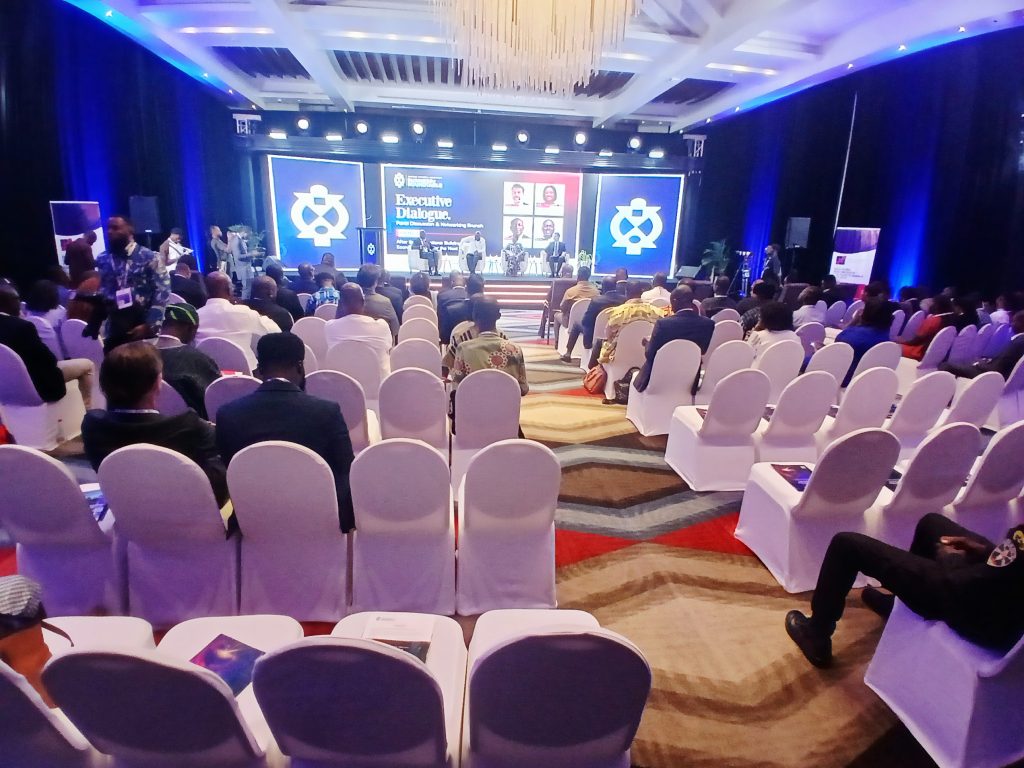
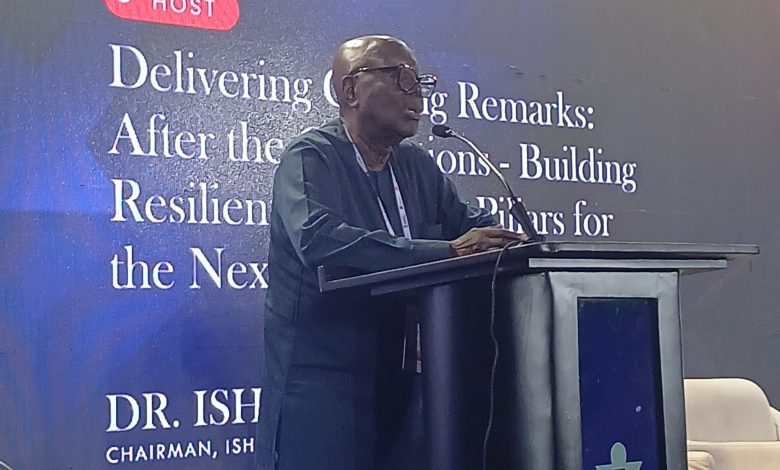
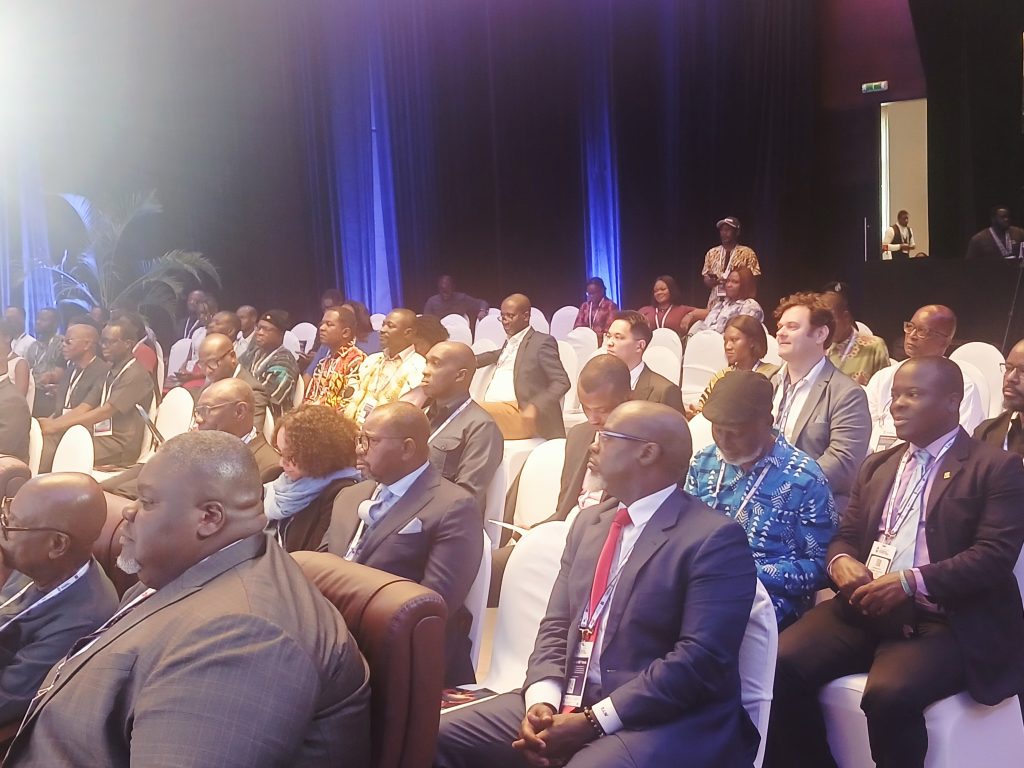
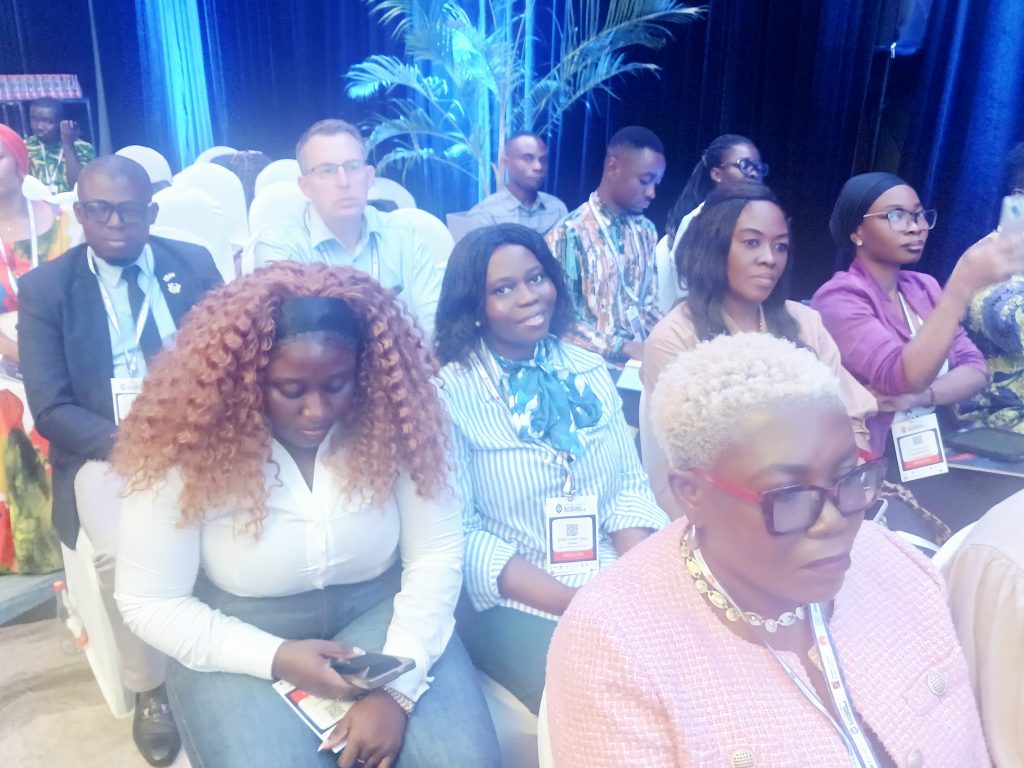
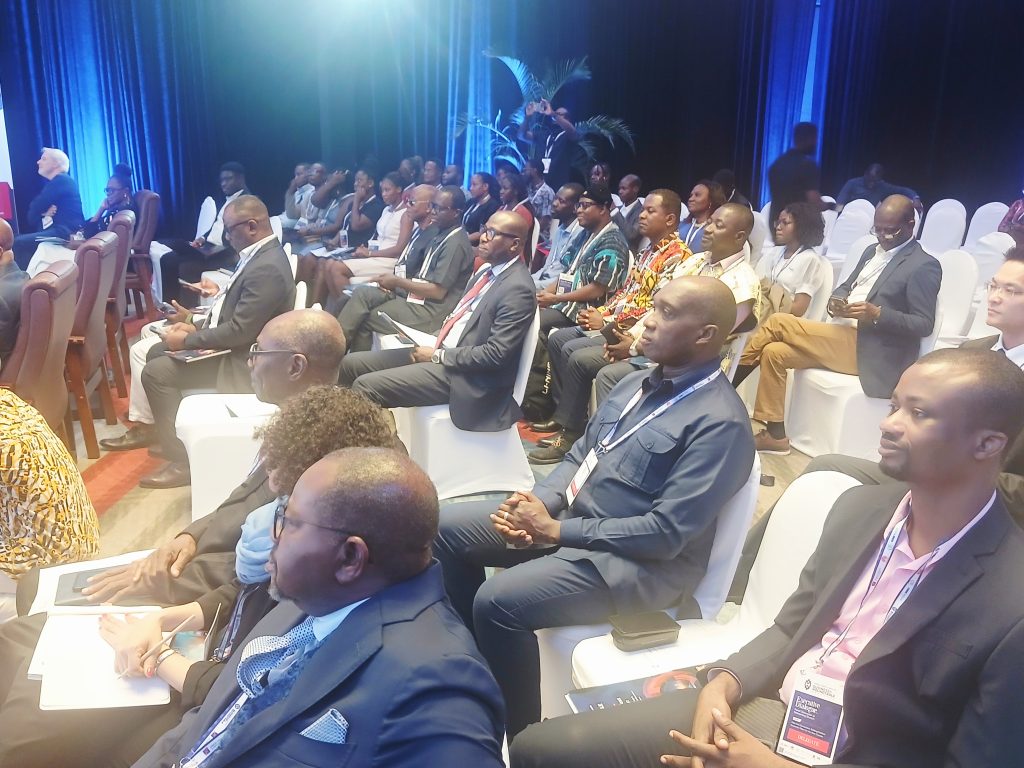
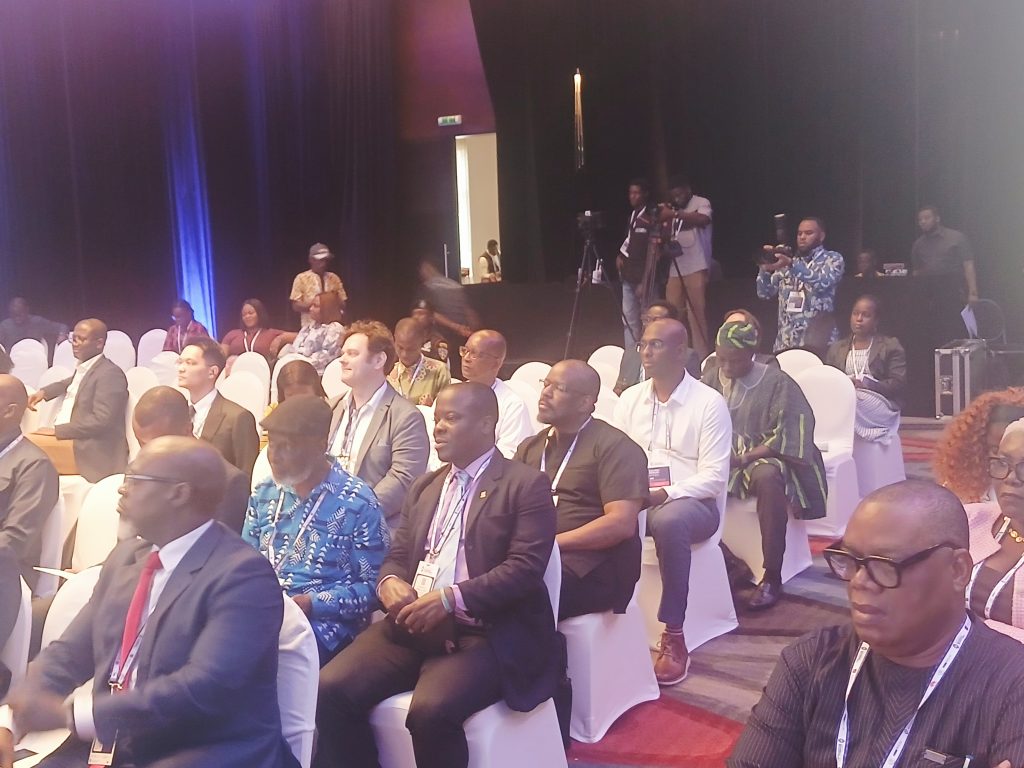
Dr. Yamson made the call in his closing remarks at the inaugural extended session of the Ishmael Yamson and Associates Business Round Table (BRT) in Accra.
The Executive Dialogue, panel discussion and networking brunch was held under the theme, “After the Corrections: Building Resilient Economic Pillars for the Next Decade.”
He expressed concern about the unemployment situation, noting that with unemployment estimated at 22.6 per cent and more than one million young people entering the employment market every year, the country faced a serious challenge in creating opportunities for its youth.
Dr. Yamson said many young Ghanaians who completed secondary and tertiary education were struggling to find productive employment despite having the potential to contribute significantly to national development.
He said the situation required urgent action from political and business leaders.
“We don’t have time at all,” he stressed.
Dr. Yamson challenged political leaders to take full responsibility for the conditions they inherited and to ensure that their tenure resulted in measurable improvements in the quality of life of Ghanaians.
“When you are a leader, when you are voted a leader, when you are appointed a leader, it is your role, it is your responsibility to change the situation you found,” he said.
He criticised the tendency of political leaders to spend considerable time accusing previous administrations of wrongdoing rather than measuring their own performance against what their predecessors achieved.
He said parliamentary debates should focus more on who had performed better and delivered more for the country than on accusations over who had mismanaged or lost more public funds.
Dr. Yamson also urged political leaders to consider the legacy they would leave behind.
“After four years when I leave political office, how would I be remembered?” he asked.
He said leaders should strive to be remembered for making a positive difference to Ghana rather than for controversies over public funds.
Change mindset
Dr. Yamson said Ghana needed a fundamental change in mindset and culture to keep pace with a rapidly changing world.
He said Ghanaians who travelled abroad often observed efficient systems and disciplined societies but returned home and accepted disorder and weak enforcement of rules.
He called for greater respect for laws and institutions, saying Ghana could not build a successful economy without discipline and accountability.
He was particularly concerned about the state of Accra and the level of disorder on the city’s roads and in public spaces.
Dr. Yamson said Ghana had once been recognised for discipline and urged citizens to restore that culture.
He also expressed concern about the inability of the education system to adequately prepare young people for the changing technological environment.
He said many young people possessed smartphones and other digital devices but were not being equipped with the skills to use technology productively.
“The world is changing very fast. Technology is changing the world so fast,” he said.
He therefore called for deliberate investment in skills and education that would enable Ghanaian youth to compete in a technology-driven global economy.
Ghana belongs to its people
Dr. Yamson said political parties should not be regarded as owners of Ghana, stressing that they merely received temporary mandates from the people to manage the country.
“The political party don’t own the country. The people own the country,” he said.
He called for policies and institutions that would ensure continuity in national development regardless of which political party was in power.
Dr. Yamson also warned about the destruction of Ghana’s natural resources, particularly the country’s rivers.
He said environmental degradation had reached a point where some communities were losing access to clean water because rivers had been polluted.
He said Ghana had been blessed with abundant human and natural resources and had all the basic ingredients required to become a successful country.
“Everything that you need to be a great country, God gave us,” he said.
He, however, warned that the country risked undermining those advantages through poor management, environmental destruction and a failure to act with urgency.
Dr. Yamson urged leaders across the political, business and institutional sectors to recognise that leadership was a responsibility and not merely a position.
He said anyone entrusted with leadership should constantly ask what difference they were making to their organisation, institution or country.
“We have to be intentional about changing Ghana. We have to change our mindset. And we have to remember all the time that time is not on our side,” he said.