
Story by Eugene Nyarko Jnr. l Coconut Grove Regency Hotel, Accra l Wednesday, October 21, 2026 —
The Minister for Works, Housing and Water Resources, Ahmed Ibrahim, has called for a shift towards locally sourced, low-carbon building materials to reduce construction costs, address Ghana’s housing deficit and strengthen the country’s resilience to climate change.
He said the adoption of sustainable construction technologies and materials was critical to making housing more affordable, creating jobs and reducing the environmental impact of Ghana’s rapidly expanding built environment.
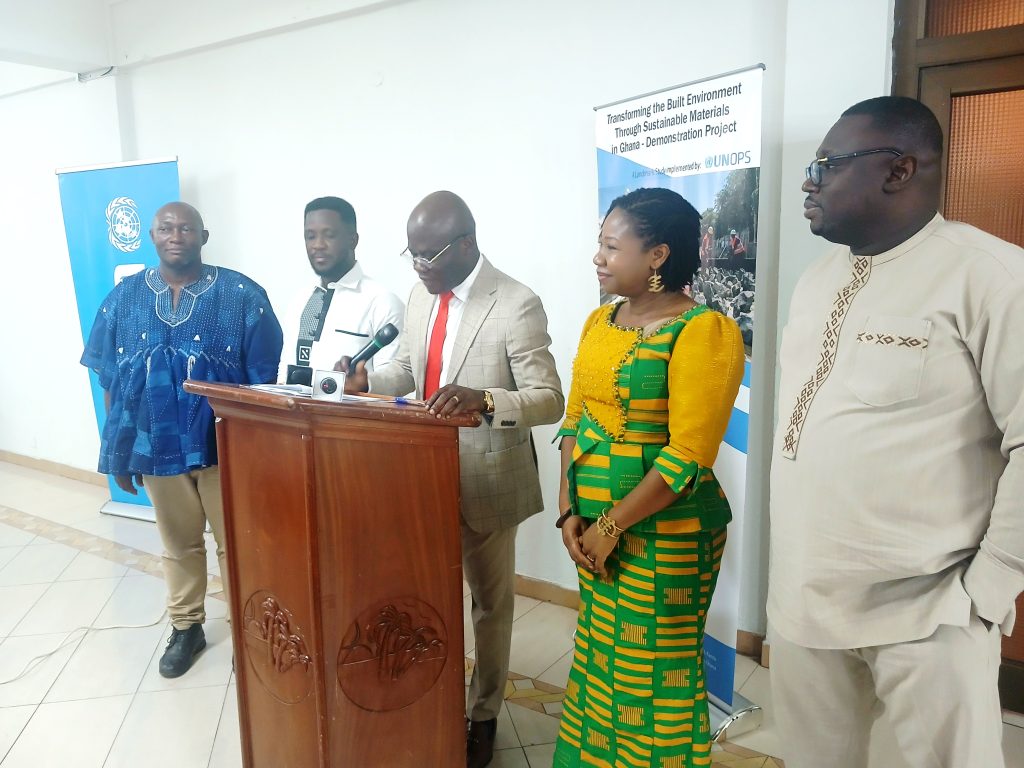
Speaking at the launch of the Transforming Ghana’s Built Environment Through Sustainable Materials Demonstration Project and Validation Workshop at the Coconut Grove Regency Hotel in Accra on Wednesday, October 21, 2026, Mr Ibrahim said the country could no longer rely on conventional construction approaches that increased dependence on imported materials and drove up housing costs.
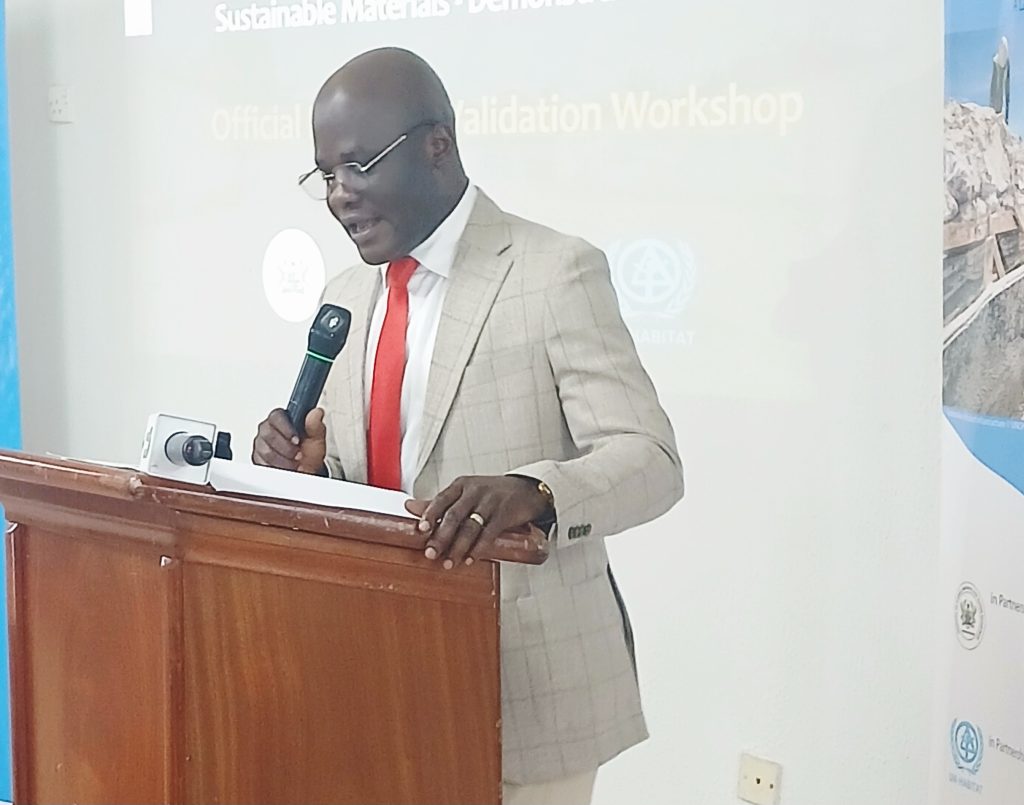
He said Ghana had abundant natural resources, including timber, sand, stone and other materials that could be harnessed to support sustainable construction and stimulate local industries.
“ We cannot continue to use the same approach of yesterday to achieve the results that we need tomorrow,” he said, urging stakeholders to embrace innovative building solutions suited to the country’s development needs.
Housing deficit
Mr Ibrahim cited Ghana’s estimated housing deficit of 1.83 million units in 2020, saying population growth and the increasing demand for housing required more innovative and aggressive interventions.
He observed that dependence on imported, energy-intensive construction materials had contributed to high building costs, increased carbon emissions and heightened the country’s vulnerability to climate-related shocks.
According to him, promoting locally produced sustainable materials could help lower construction costs and, consequently, ease pressure on housing affordability.
He also linked the development of the local construction industry to job creation, particularly for young people, arguing that increased investment in sustainable housing could generate employment opportunities across the building and construction value chain.
“Lower construction costs stimulate local industries, create green jobs and retain investment within our communities,” he said.
Climate action roadmap
The minister said the Ministry of Works, Housing and Water Resources, in partnership with the United Nations Office for Project Services (UNOPS), the United Nations Environment Programme (UNEP) and UN-Habitat, had launched a roadmap in 2024 to decarbonise Ghana’s building and construction sector by 2050.
The roadmap provides a framework for reducing emissions, promoting sustainable building materials and supporting the development of inclusive communities.
He said the demonstration project would help translate the roadmap into practical interventions by showcasing locally appropriate and economically viable construction solutions capable of supporting affordable housing delivery while reducing the sector’s carbon footprint.
Mr Ibrahim expressed appreciation to the development partners for supporting the initiative and urged traditional authorities, metropolitan, municipal and district assemblies, professionals, researchers and other stakeholders to support sustainable land management and orderly spatial development.
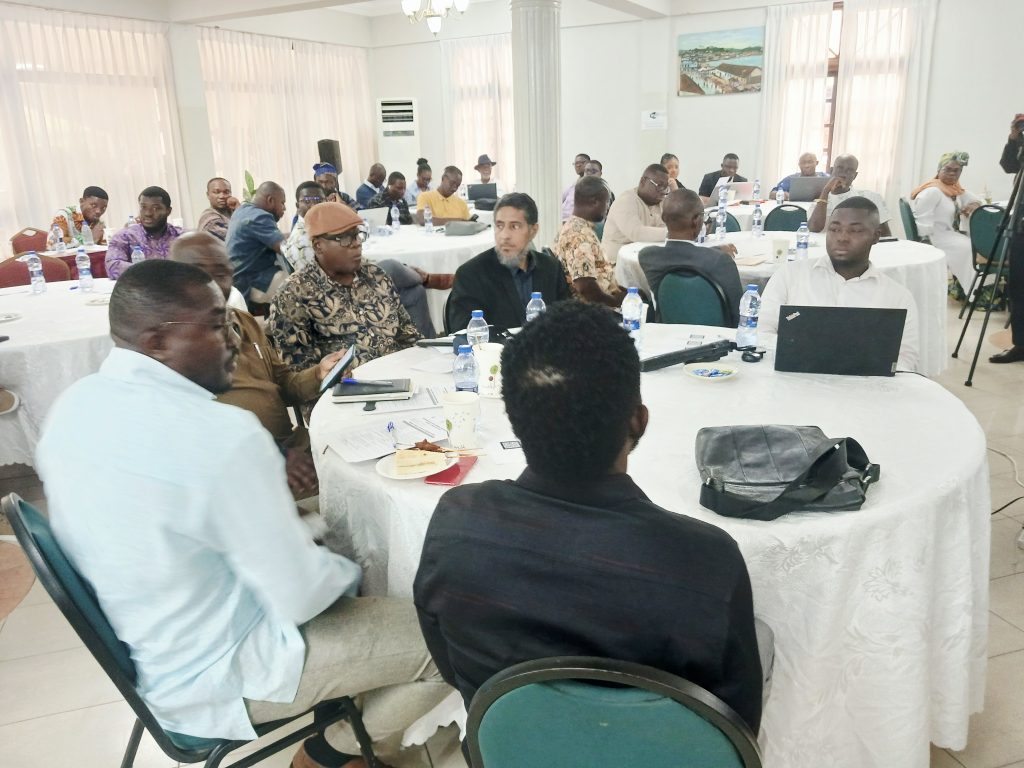
He said effective spatial planning, combined with the use of local materials and low-carbon technologies, could improve the quality of Ghana’s communities and strengthen the country’s potential to attract investment and tourism.
The minister also called on participants to contribute constructively to the review and validation of the project’s feasibility study and compendium of low-carbon local building materials.
He said the success of the initiative would depend on collective commitment to adopting and scaling up the proposed solutions.
UNOPS reaffirms commitment
In her remarks, the Infrastructure Specialist and Head of Office of UNOPS Ghana, Ms Linda Agbesi, said the project reflected Ghana’s commitment to addressing its housing needs while responding to the challenges of climate change.
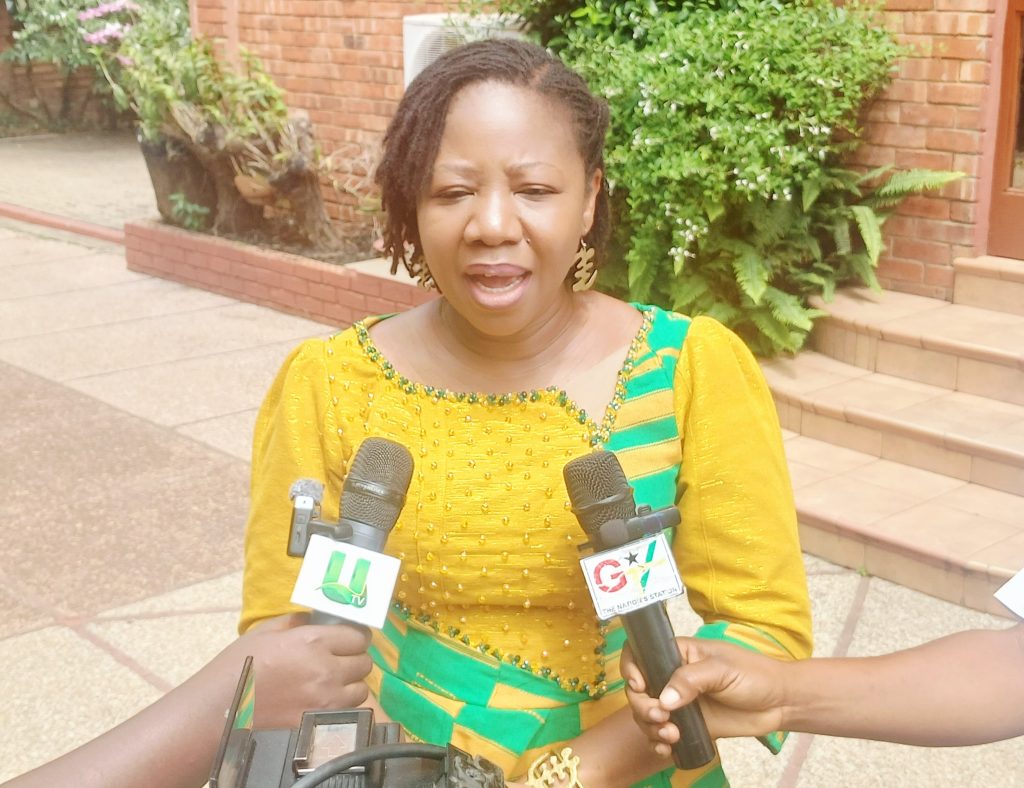
She noted that the building and construction sector remained a significant contributor to greenhouse gas emissions and resource consumption, making the adoption of sustainable materials increasingly important.
Ms Agbesi said the project sought to address these challenges by promoting locally available low-carbon construction materials and applying a whole-life-cycle approach to housing development.
She explained that the initiative was expected to produce a compendium of locally available low-carbon construction materials, providing a useful resource for policymakers, construction professionals, developers and investors.
The project would also support the review of a techno-economic feasibility study for low-carbon model houses intended to inform the Ministry’s implementation of the district housing programme in line with Legislative Instrument 2411.
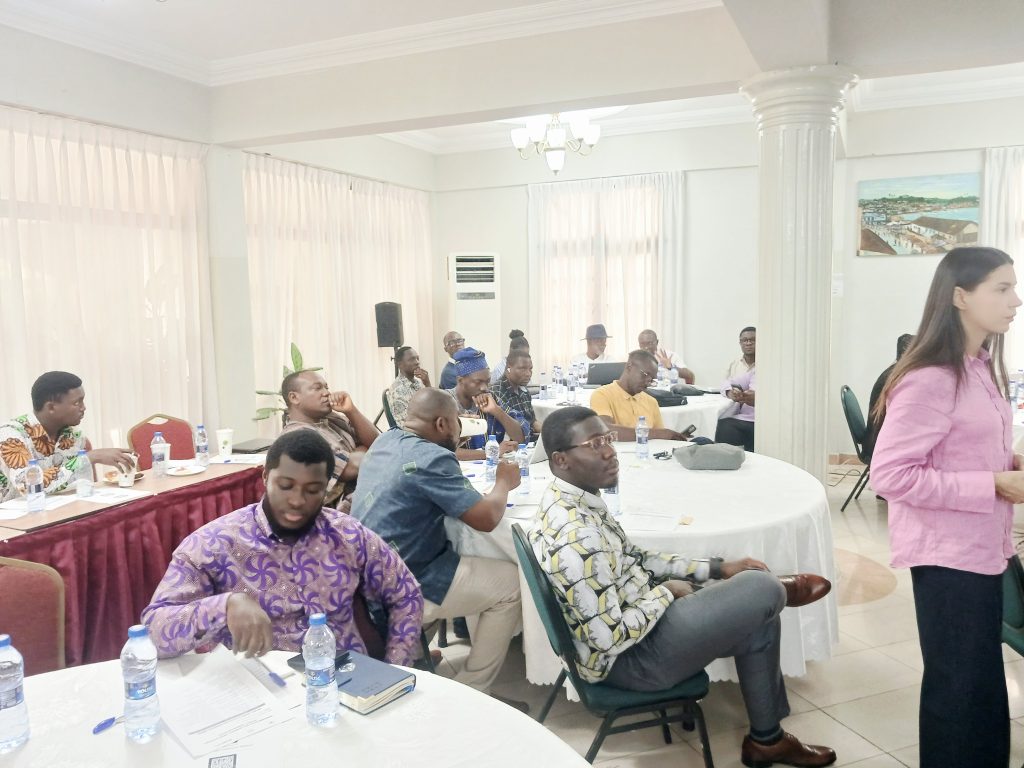
According to her, the study examines the technical and financial viability, regulatory compliance and scalability of the proposed housing models to provide a sound basis for future public investment decisions.
Ms Agbesi further disclosed that three housing prototype models had received EDGE certification, demonstrating their alignment with internationally recognised standards for resource efficiency and environmental performance.
She said the prototypes would provide practical examples of how green building principles could be integrated into the delivery of affordable housing in Ghana.
Partnerships for sustainable housing
Ms Agbesi stressed that transforming Ghana’s built environment required strong partnerships among government institutions, development partners, the private sector, academia and local communities.
She said the initiative had the potential to reduce emissions, strengthen domestic industries, create green jobs and improve housing affordability if its recommendations were adopted and its innovations scaled up.
“The true measure of success will be the extent to which the project’s recommendations are adopted, its innovations scaled and its benefits realised in stronger communities and better housing outcomes for all,” she said.
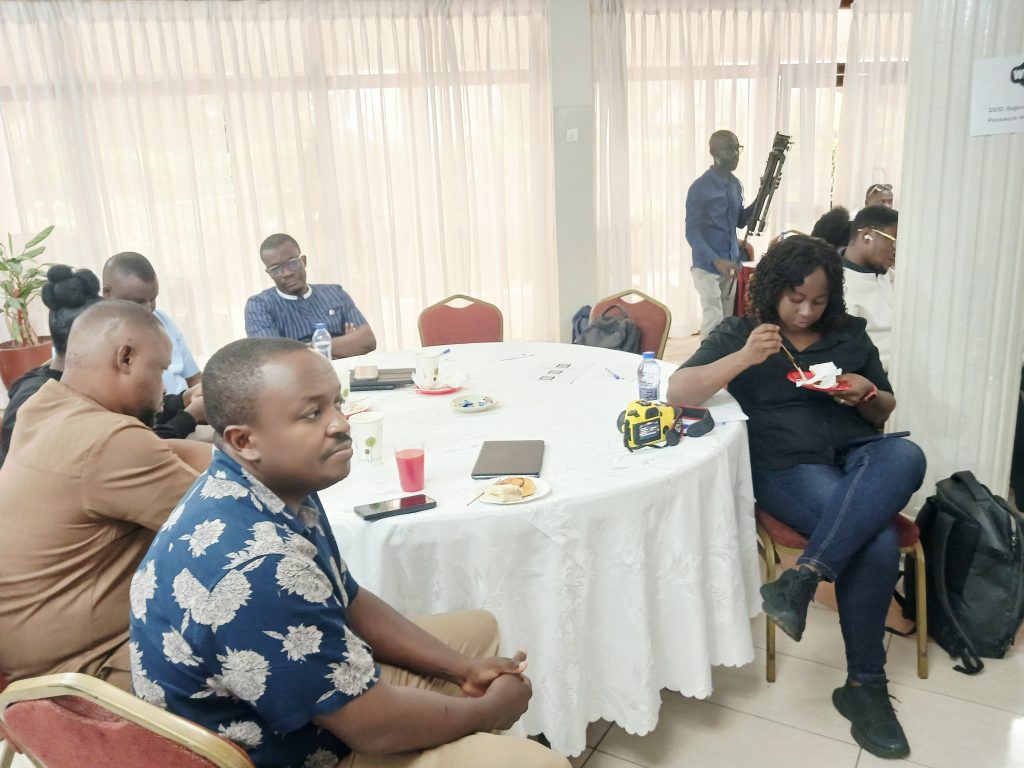
She reaffirmed UNOPS’ commitment to working with the Ministry, UNEP and other partners to advance Ghana’s transition towards a low-carbon, climate-resilient and inclusive housing sector.
The launch and validation workshop is expected to provide a platform for stakeholders to examine the feasibility of sustainable building solutions and identify practical pathways for integrating locally sourced materials into Ghana’s housing and construction programmes.