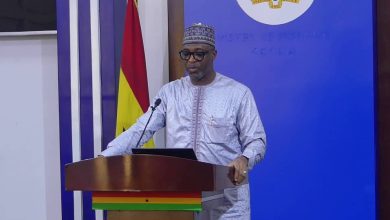

9th GITFIC Examines Global Debt Reform, Launches AfCFTA Tertiary Students’ Congress in Accra


Story by Eugene Nyarko Jnr. l Accra, Ghana
The 9th Annual Ghana International Trade and Finance Conference (GITFIC) has convened in Accra, bringing together policymakers, economists, academics, students, and international stakeholders to deliberate on the 2nd Global Debt Initiative alongside the inaugural GITFIC–AfCFTA Tertiary Students’ Congress.
Held under the theme “The 2nd Global Debt Initiative and the Inaugural GITFIC–AfCFTA Tertiary Students’ Congress,” the conference focused on Africa’s growing debt challenges, the need for reform of the global financial system, and the strategic role of tertiary education in driving intra-African trade under the African Continental Free Trade Area (AfCFTA).
The conference opened with a prayer by Mr. Peter Karbo of the Central University of Ghana, followed by protocol acknowledgements from the Chief Executive Officer of GITFIC, Mr. Selasi Koffi Ackom.
Keynote addresses were delivered by renowned UK economist and Jubilee 2000 campaign leader, Madam Ann Pettifor; Dr. Zerihun Gudeta Alemu, Chief Economist at the African Development Bank (AfDB), representing the AfDB President; Mr. Zia Choudhury, representing the United Nations Secretary-General; and Professor Rosina Kyerematen, Dean of Student Affairs at the University of Ghana, among other experts from academia and industry.
Debt as an Issue of Economic Justice
In her address, Madam Ann Pettifor recalled the Jubilee 2000 campaign, which secured over US$130 billion in global debt forgiveness, stressing that Africa’s debt crisis must be viewed as an issue of economic justice rather than charity. She noted with concern that Ghana’s debt service obligations now exceed spending on key sectors such as health, education, and infrastructure, while Africa has paid an estimated US$26 billion in interest to wealthier nations between 2010 and 2024.
Echoing this position, Mr. Zia Choudhury emphasized the moral urgency of global debt reform, noting that excessive debt servicing continues to undermine social development across many countries in the Global South.
Call for Global Financial System Reform
Dr. Zerihun Gudeta Alemu underscored the urgent need to reform the international financial system to better respond to economic shocks and Africa’s development needs. He highlighted the African Development Bank’s Debt Action Plan, which focuses on reducing fiscal stress, strengthening debt management capacity, and aligning borrowing with long-term development goals.
According to Dr. Alemu, debt can be a powerful development tool if managed transparently and sustainably. He called for greater African representation in international financial institutions and urged solidarity among African states in advocating for a fairer and more resilient global financial architecture.
Debt Transparency and Sustainability
Participants stressed the importance of debt transparency, calling for standardized disclosure frameworks, independent audits, and sustainability metrics that link borrowing to social investment, climate resilience, and the Sustainable Development Goals (SDGs). It was proposed that debt servicing should not exceed 10 per cent of government expenditure to allow greater investment in job creation and development.
Youth, Education and AfCFTA
A major highlight of the conference was the inaugural AfCFTA Tertiary Students’ Congress. Professor Rosina Kyerematen emphasized that Africa’s youth—who constitute about 70 per cent of Sub-Saharan Africa’s population—are central to the continent’s future. Presentations on the AfCFTA curriculum outlined key trade concepts, including rules of origin, aimed at equipping young Africans with practical knowledge of regional trade.
Students, including Karen Agyare Adjei, called for stronger trade protection mechanisms, digital trade facilitation, and expanded intra-African trade networks. Discussions also stressed the need for political will, industry collaboration, and hands-on fieldwork to bridge the gap between academic training and real-world economic practice.
UN and AfDB Advocacy
The conference welcomed the United Nations’ advocacy for standardized debt disclosure, independent audits, and the establishment of a multilateral sovereign debt restructuring mechanism. These reforms, participants noted, would enhance accountability, reduce hidden liabilities, and restore trust in debt management systems.
Key Recommendations and Resolutions
Key recommendations included calls for debt relief and cancellation frameworks, climate-conscious financing, stronger public-private partnerships, and the establishment of institutions such as a Borrowers’ Club and the African Payments Union.
The Congress also resolved to expand AfCFTA education by extending the curriculum to senior high schools and institutionalizing AfCFTA studies as a standalone short course within tertiary institutions.
Conclusion
The conference concluded with a collective call for Africa and the Global South to assert their rightful place in the global economy, not as perpetual debtors, but as equal partners in shared prosperity. Delegates reaffirmed their commitment to strengthening collaboration among governments, multilateral institutions, academia, and the private sector, while mainstreaming AfCFTA education to empower youth as drivers of Africa’s economic transformation.