
VP Opoku-Agyemang Calls for Empowerment of SMEs, Women and Youth to Drive Africa’s Single Market

Story by Eugene Nyarko Jnr. l Accra l February 4, 2026
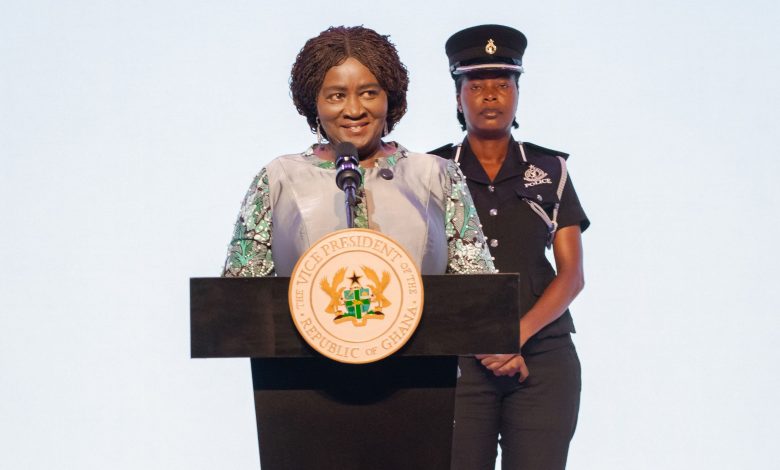
Vice President of the Republic of Ghana, H.E. Prof. Jane Naana Opoku-Agyemang, has called for deliberate empowerment of small and medium-sized enterprises (SMEs), women and young people to unlock the full potential of Africa’s single market under the African Continental Free Trade Area (AfCFTA).
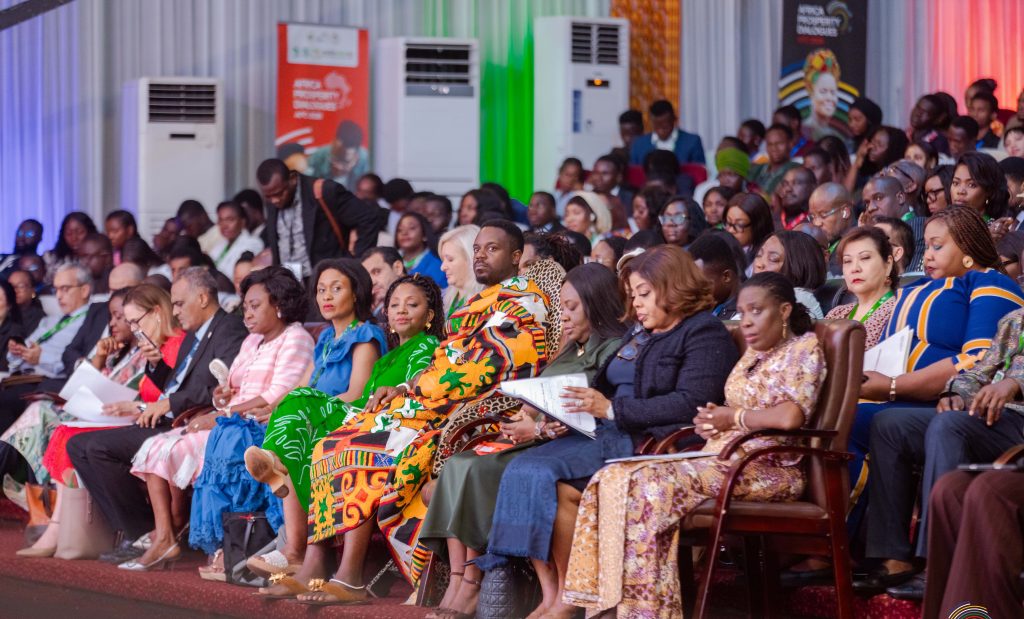
Delivering an address on behalf of President John Dramani Mahama at the Africa Prosperity Dialogues held at the Accra International Conference Centre (AICC) in Accra, the Vice President said Africa’s future prosperity depends on inclusive growth that places people—particularly women, youth and small businesses—at the centre of economic transformation.
Prof. Opoku-Agyemang conveyed the greetings of President Mahama, who was unavoidably absent due to official duties outside the country, and underscored Ghana’s commitment to platforms that translate ideas into action and complement the objectives of the AfCFTA, which is headquartered in Accra.
She noted that President Mahama had recently reaffirmed at the United Nations that Africa would shape its own future, stressing that such a future cannot exclude young people, women and small enterprises. According to her, this conviction underpins Ghana’s Reset Agenda, aimed at moving Africa from dependency to self-reliance, from fragmentation to integration, and from exporting raw potential to building prosperity at home.
“The vision of Africa as a single, integrated economic space remains unfinished, but what is at stake is clear—prosperity for Africa’s people,” she stated.
The Vice President highlighted Ghana’s long-standing efforts to promote Pan-Africanism and regional integration through initiatives such as the Pan-African Festival of Arts and Culture, the Year of Return and the Diaspora Summit, describing borders as connectors rather than barriers to progress.
She also referenced the renewed commitment to cooperation rooted in dignity, equity and mutual benefit reaffirmed at the Second AU–CARICOM Summit in Addis Ababa last year.
Prof. Opoku-Agyemang described the AfCFTA as a historic opportunity, noting that it is the world’s largest free trade area by number of participating countries, with a market of about 1.3 billion people. Within this framework, she said SMEs—responsible for about 80 per cent of employment across Africa—are central to economic growth.
In Ghana, she observed, SMEs have demonstrated resilience and competitiveness despite economic challenges. She further emphasized the critical role of women, who constitute nearly half of Africa’s workforce, and youth, who make up more than 60 per cent of the continent’s population and are driving innovation in sectors such as fintech and the creative industries.
However, she expressed concern that fewer than 20 per cent of African SMEs participate in export trade, while women and young people continue to face barriers to finance, mobility, skills development and market access. She warned that many African economies risk remaining trapped in low-productivity models dominated by raw material exports unless deliberate action is taken.
Describing this trajectory as “neither inevitable nor acceptable,” the Vice President said the theme of this year’s dialogue— “Empowering SMEs, Women, and Youth in Africa’s Single Market” —is timely and relevant.
She called for sustained efforts to expand intra-African trade, implement targeted industrial strategies, invest in infrastructure and connectivity, promote innovation and technology, and strengthen institutions and governance.
Prof. Opoku-Agyemang outlined Ghana’s contribution to this agenda through initiatives such as the 24-Hour Economy, designed to boost productivity by better coordinating infrastructure, finance and institutions, and the Big Push infrastructure development programme, which aims to support trade and industrial growth while aligning national priorities with those of ECOWAS and the African Union.
She urged African governments to develop coherent long- and medium-term policies, strengthen development finance institutions and pursue regional projects that match the continent’s collective ambition.
“Organising our sovereignty must serve our shared market and prosperity,” she said, adding that Africa should be seen by entrepreneurs and manufacturers as one connected market rather than a fragmented abstraction.
The Vice President concluded by urging participants to ensure that the conference is remembered not only for discussions, but for concrete commitments and tangible results that improve the lives of Africans.