
Africa must fix cross-border payment bottlenecks to unlock single market – BoG Governor


Story by Eugene Nyarko Jnr. | Accra | Thursday, February 5, 2026
The Governor of the Bank of Ghana (BoG), Dr. Johnson Pandit Asiamah, has underscored the urgent need for Africa to modernise and integrate its cross-border payment and digital finance systems to fully realise the benefits of the African Continental Free Trade Area (AfCFTA).
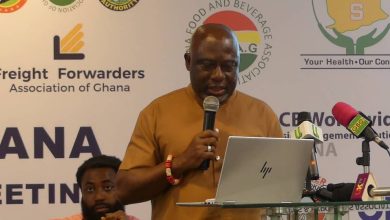
Delivering a keynote address at the African Prosperity Dialogue (APD) 2026 in Accra, read on his behalf by the Second Deputy Governor of the Bank of Ghana, Mrs. Matilda Asante-Asiedu, Dr. Asiamah noted that trade agreements alone are insufficient to drive intra-African trade without efficient, affordable, and reliable payment systems.
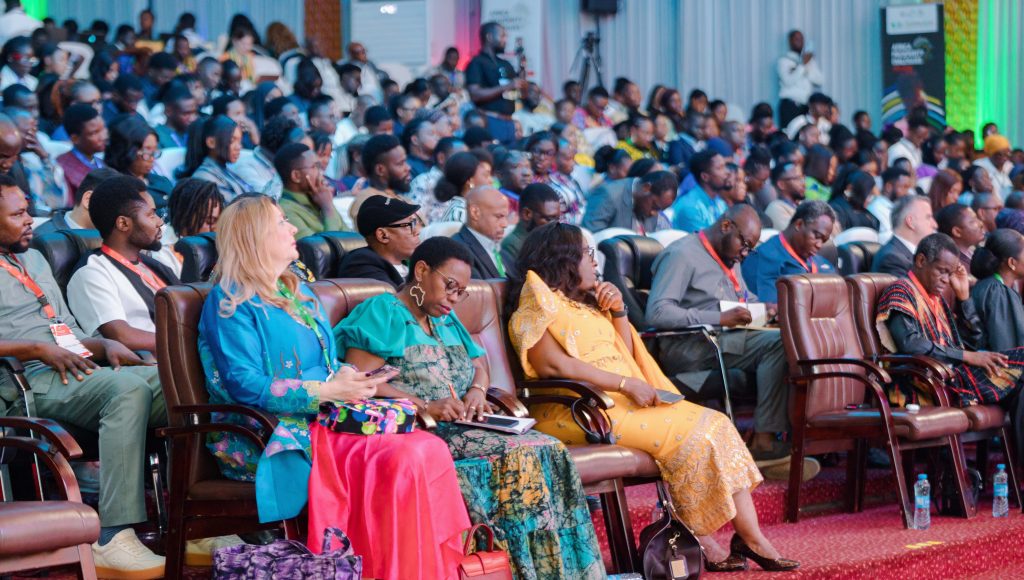
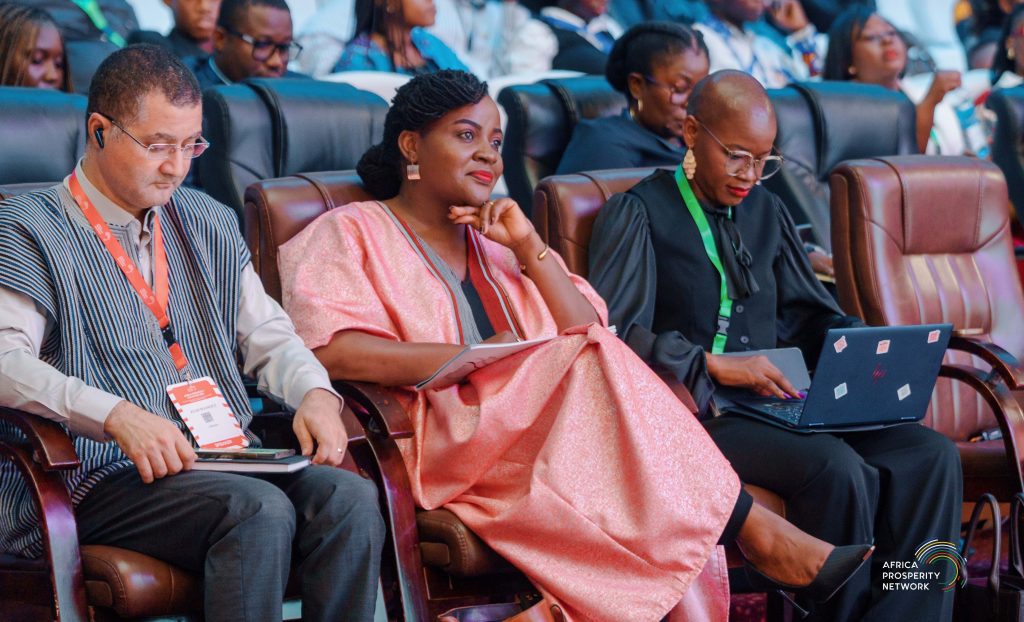
The three-day forum, held at the Accra International Conference Centre from February 4 to 6, is on the theme “Empowering SMEs, Women and Youth in Africa’s Single Market: Innovate. Collaborate. Trade.”
According to the BoG Governor, cross-border payments remain one of the most significant barriers to Africa’s economic integration, with transaction costs for intra-African payments ranging between 7 and 10 percent—far above the global average of about 3 percent. Settlement delays, sometimes stretching into weeks, further undermine trade efficiency.

He revealed that over 80 percent of intra-African payments are routed through correspondent banks outside the continent, largely in foreign currencies, costing Africa an estimated US$5.3 billion annually and exposing economies to foreign exchange risks.
“Payments make trade possible. Without secure, affordable, and reliable means of transferring value, the promise of a truly integrated African market cannot be achieved,” the address stated, describing payment systems as strategic trade infrastructure critical to monetary stability and long-term economic transformation.
Dr. Asiamah highlighted the vast opportunity presented by AfCFTA, which brings together more than 1.5 billion people and a combined GDP of about US$2.8 trillion. He stressed that intra-African trade could double in the medium term if payment systems are aligned with the continent’s trade ambitions.
He also pointed to Africa’s global leadership in digital finance, noting that the continent accounts for more than half of the world’s mobile money accounts. However, he cautioned that much of this progress remains confined within national borders, calling for digital financial inclusion to be extended across countries.
Ghana, he said, has made deliberate investments in modern, interoperable, and resilient payment infrastructure, enabling real-time payments across banks, mobile money operators, and fintechs. These domestic gains, he noted, position the country strongly for regional and continental integration.
The BoG Governor reaffirmed Ghana’s active participation in the Pan-African Payment and Settlement System (PAPSS), which allows cross-border payments in local African currencies, reduces settlement chains, and lowers transaction costs.
“Our vision is clear: African trade must increasingly be settled in African currencies, through African infrastructure, and supported by African institutions,” he stated.
He outlined key initiatives being pursued by the Bank of Ghana, including fintech passporting in collaboration with the National Bank of Rwanda, the Africa Next-Generation Digital Public Infrastructure Initiative, and the recently passed Virtual Asset Service Providers Act, aimed at supporting emerging digital payment channels while ensuring strong consumer protection.
Dr. Asiamah emphasised that inefficient payment systems disproportionately affect SMEs, women traders, and young entrepreneurs, who form the backbone of Africa’s economy. SMEs account for over 90 percent of African businesses, while women dominate informal cross-border trade and youth drive digital innovation.
He called for harmonised regulatory standards, expanded licence passporting, strengthened digital public infrastructure, enhanced cybersecurity frameworks, and broader access to cross-border mobile money and instant payment systems.
Concluding, he said Africa’s single market would only become a reality when value moves seamlessly across borders, entrepreneurs transact without friction, and innovation is underpinned by trust and strong institutions.
“The Bank of Ghana stands ready to collaborate with all partners to transform cross-border payments from a constraint into a catalyst for Africa’s shared prosperity,” the address assured.